
All scalpel handles and knives
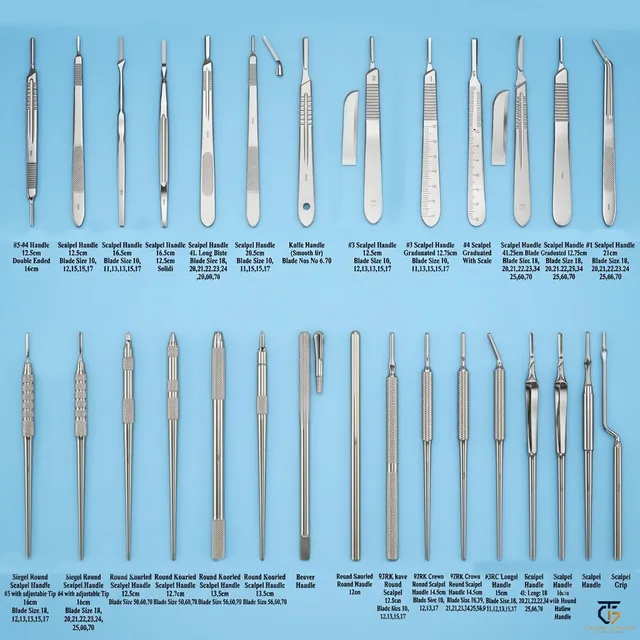
BP / Scalpel Handles
Bard-Parker scalpel handles No. 3, No. 4 and No. 7, precision-ground blade seats, satin finish.
MOQ 300 instruments
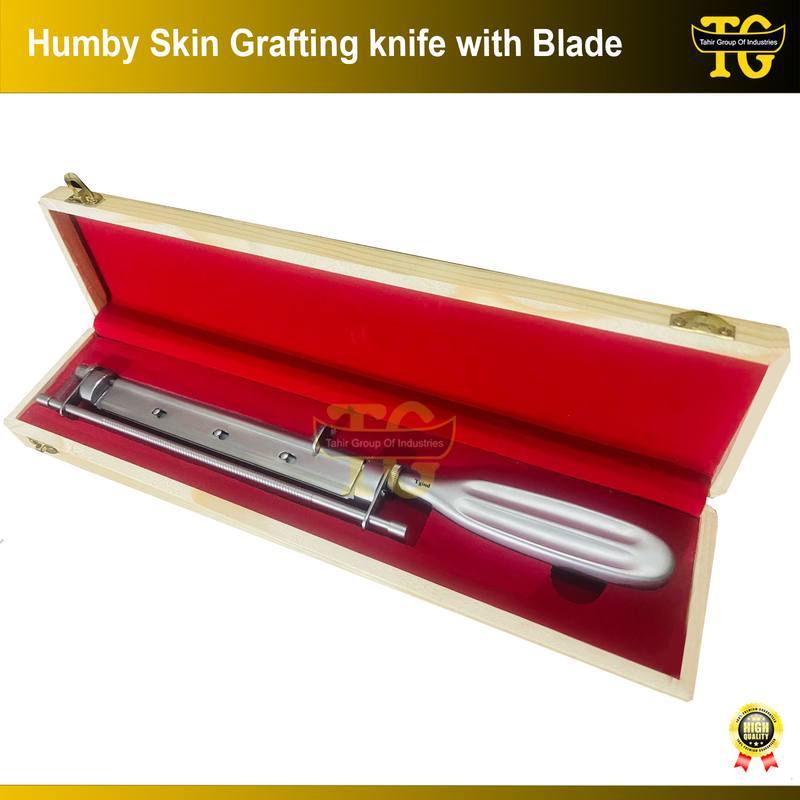
Humby Skin Grafting Knife
A skin grafting knife is a hand instrument for cutting a split-thickness skin graft freehand from a donor site, without a powered dermatome.
MOQ 300 instruments
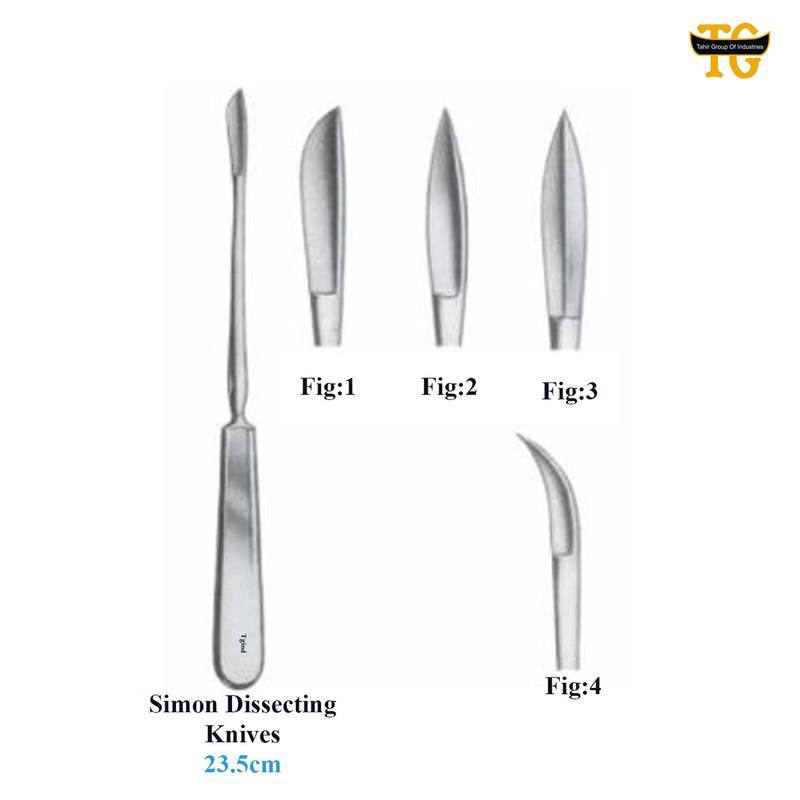
Simon Dissecting Knives
A dissecting knife is a fixed-blade knife: the blade is permanently attached to the handle and is re-sharpened rather than replaced, which is what separates it from a scalpel handle that takes a detachable blade.
MOQ 300 instruments
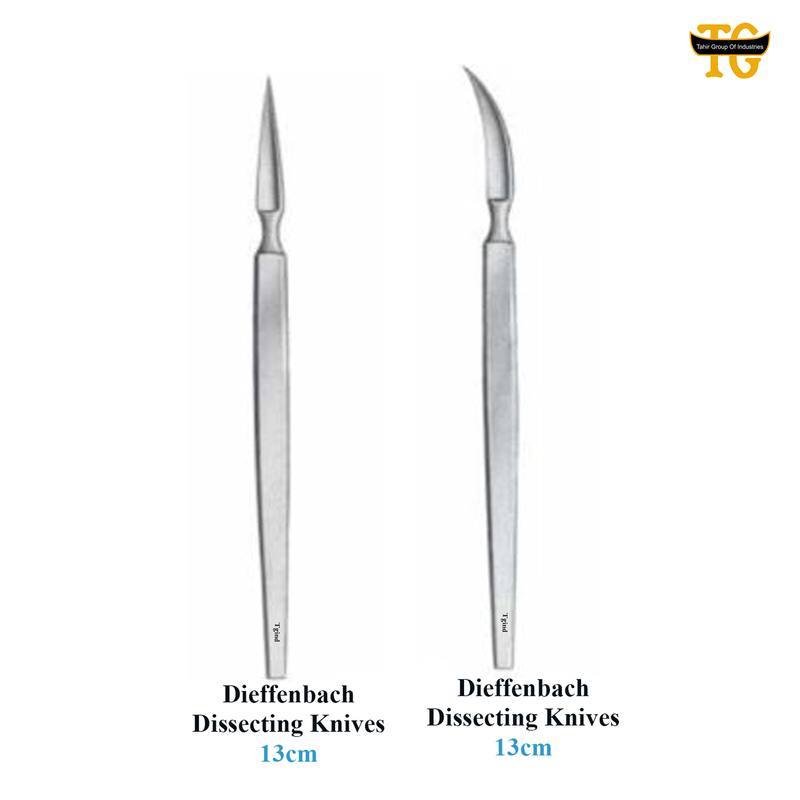
Diffenback Dissecting Knive
A dissecting knife is a fixed-blade knife: the blade is permanently attached to the handle and is re-sharpened rather than replaced, which is what separates it from a scalpel handle that takes a detachable blade.
MOQ 300 instruments
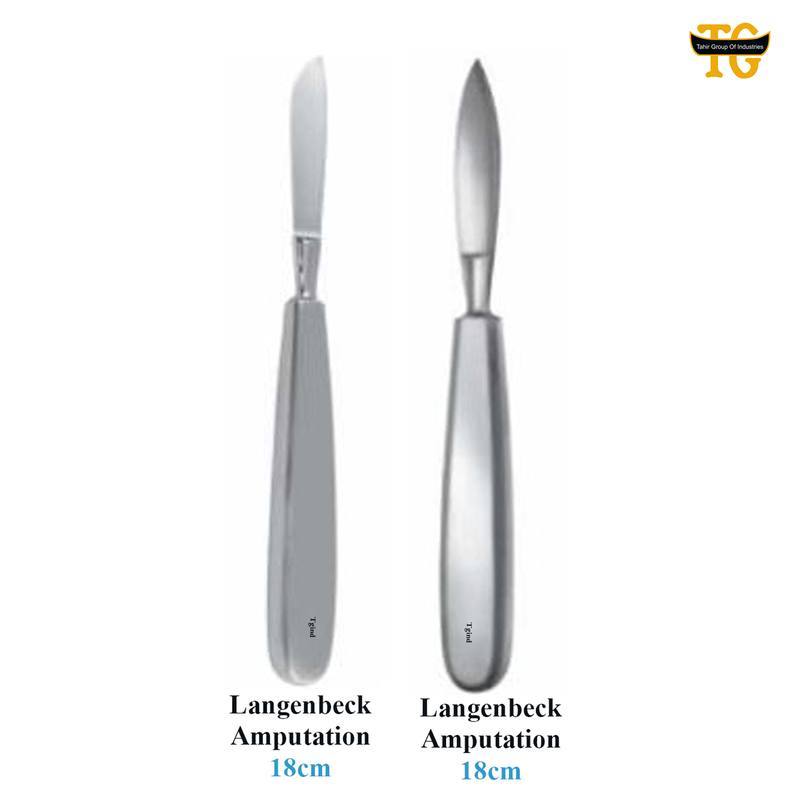
Langenbeck Amputation
A dissecting knife is a fixed-blade knife: the blade is permanently attached to the handle and is re-sharpened rather than replaced, which is what separates it from a scalpel handle that takes a detachable blade.
MOQ 300 instruments
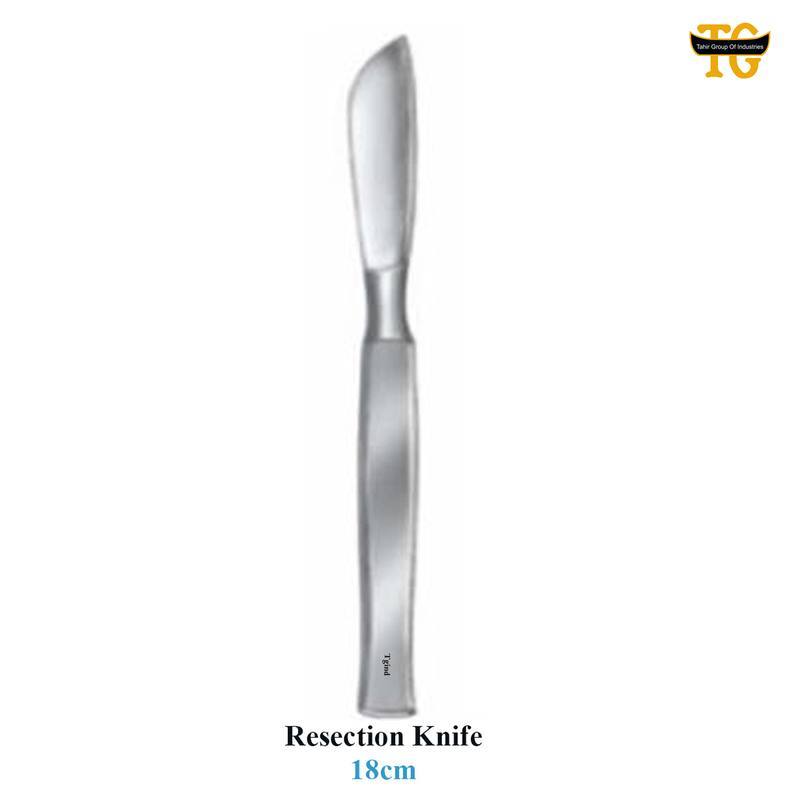
Resection Knive
A dissecting knife is a fixed-blade knife: the blade is permanently attached to the handle and is re-sharpened rather than replaced, which is what separates it from a scalpel handle that takes a detachable blade.
MOQ 300 instruments
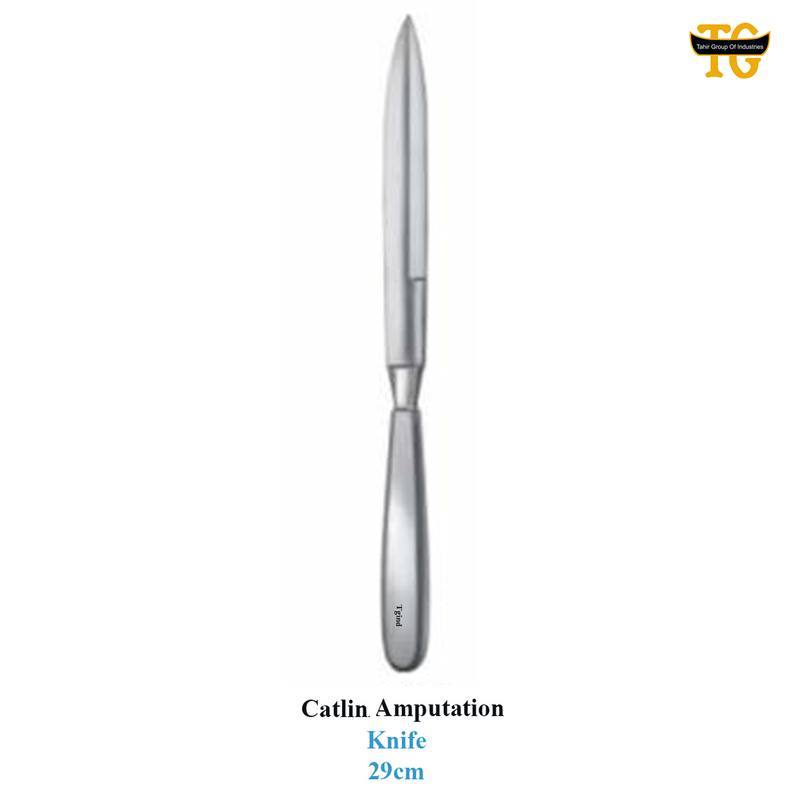
Catlin Amputation Dissecting Knive
A dissecting knife is a fixed-blade knife: the blade is permanently attached to the handle and is re-sharpened rather than replaced, which is what separates it from a scalpel handle that takes a detachable blade.
MOQ 300 instruments
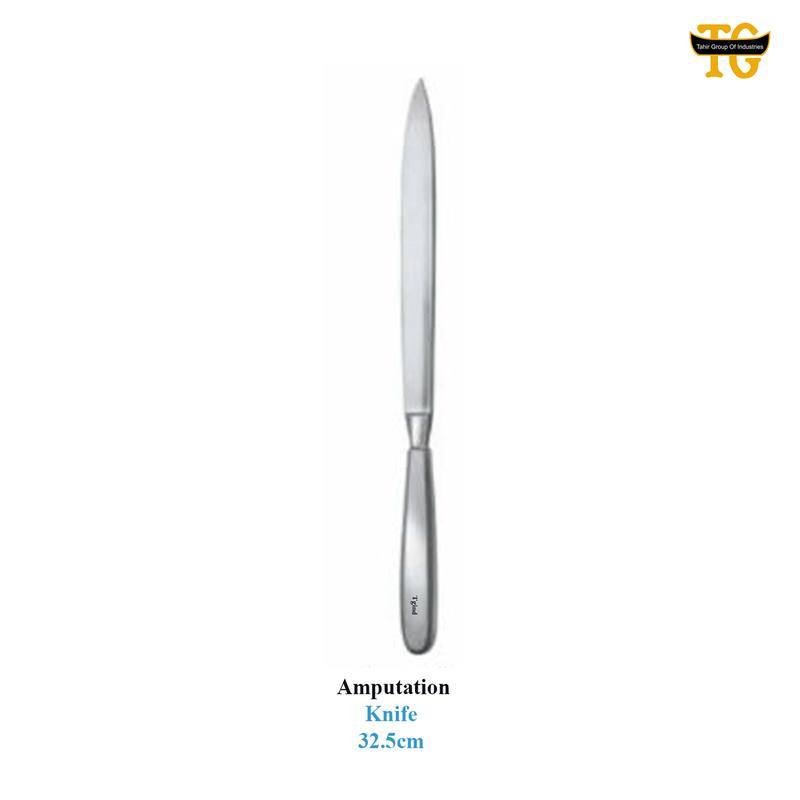
TGI's own catalog photograph of this article.
Amputation Dissecting Knive
A dissecting knife is a fixed-blade knife: the blade is permanently attached to the handle and is re-sharpened rather than replaced, which is what separates it from a scalpel handle that takes a detachable blade.
MOQ 300 instruments
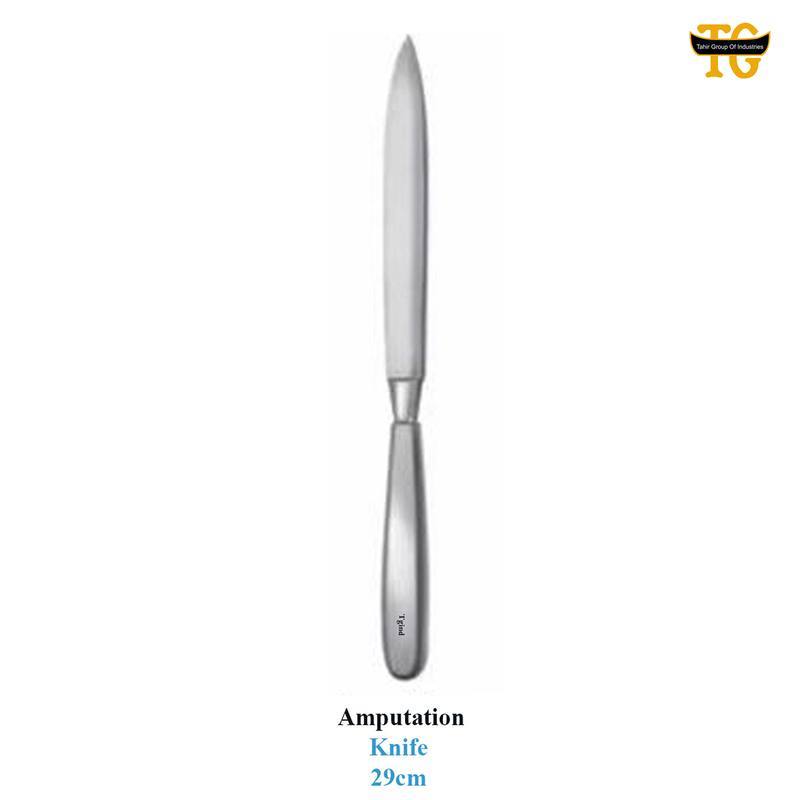
TGI's own catalog photograph of this article.
Amputation Dissecting Knive
A dissecting knife is a fixed-blade knife: the blade is permanently attached to the handle and is re-sharpened rather than replaced, which is what separates it from a scalpel handle that takes a detachable blade.
MOQ 300 instruments
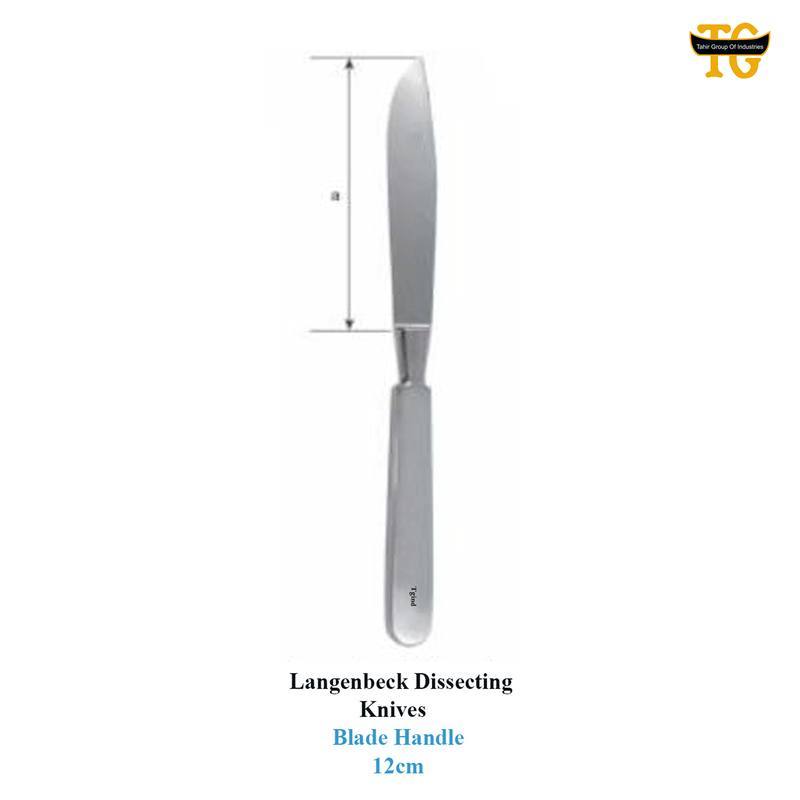
Langenbeck Dissecting Knives
A dissecting knife is a fixed-blade knife: the blade is permanently attached to the handle and is re-sharpened rather than replaced, which is what separates it from a scalpel handle that takes a detachable blade.
MOQ 300 instruments
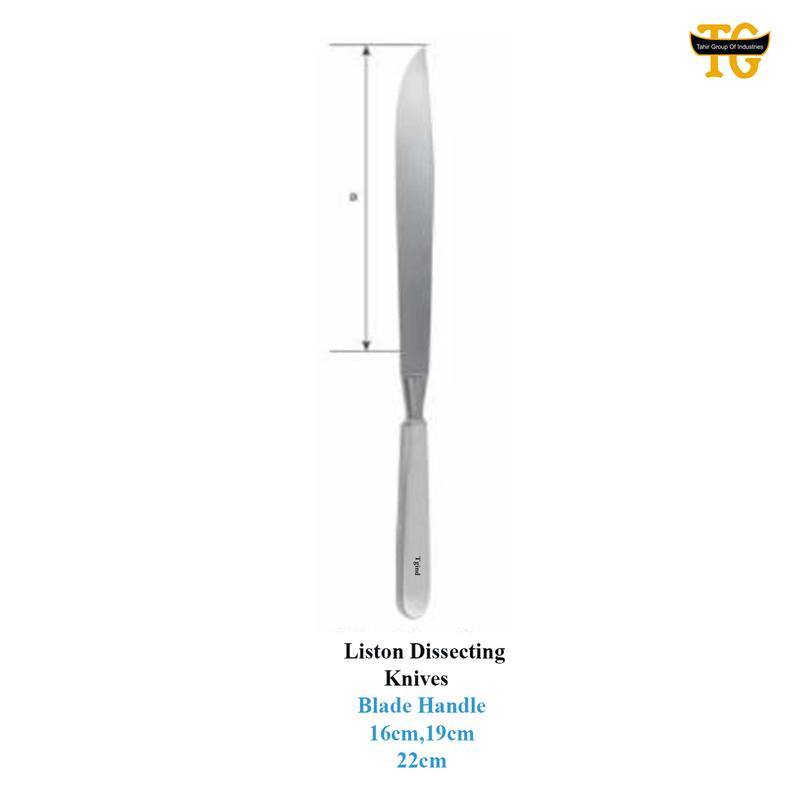
Liston Dissecting Knive
A dissecting knife is a fixed-blade knife: the blade is permanently attached to the handle and is re-sharpened rather than replaced, which is what separates it from a scalpel handle that takes a detachable blade.
MOQ 300 instruments
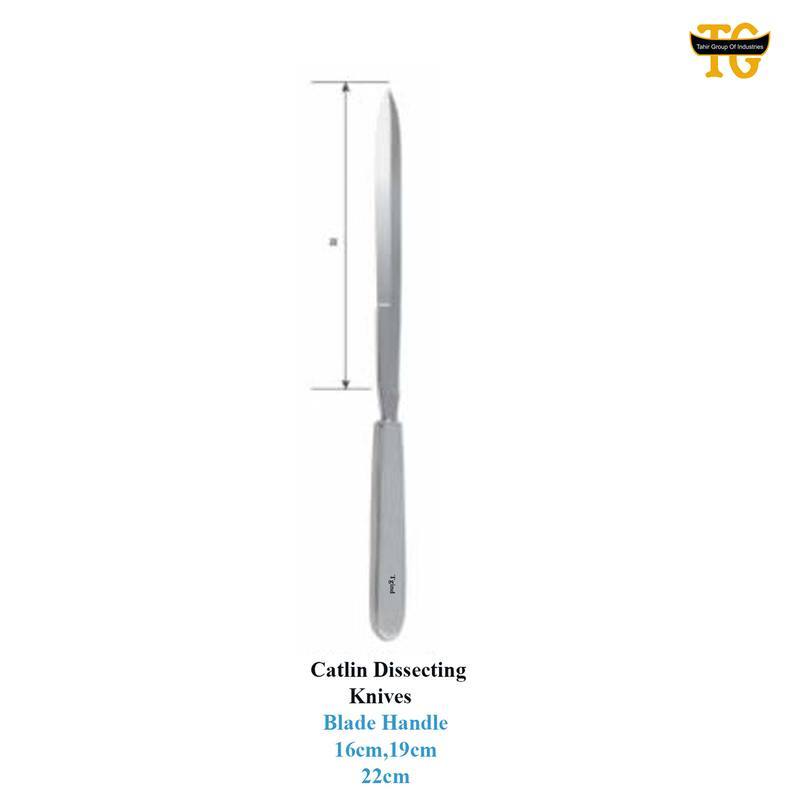
Catlin Dissecting Knive
A dissecting knife is a fixed-blade knife: the blade is permanently attached to the handle and is re-sharpened rather than replaced, which is what separates it from a scalpel handle that takes a detachable blade.
MOQ 300 instruments
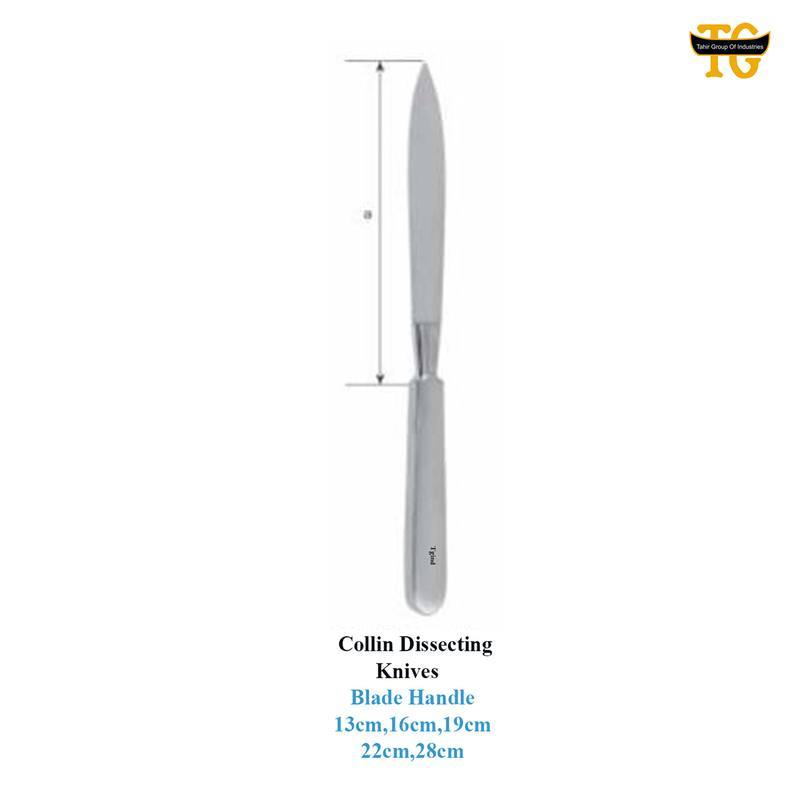
Collin Dissecting Knives
A dissecting knife is a fixed-blade knife: the blade is permanently attached to the handle and is re-sharpened rather than replaced, which is what separates it from a scalpel handle that takes a detachable blade.
MOQ 300 instruments
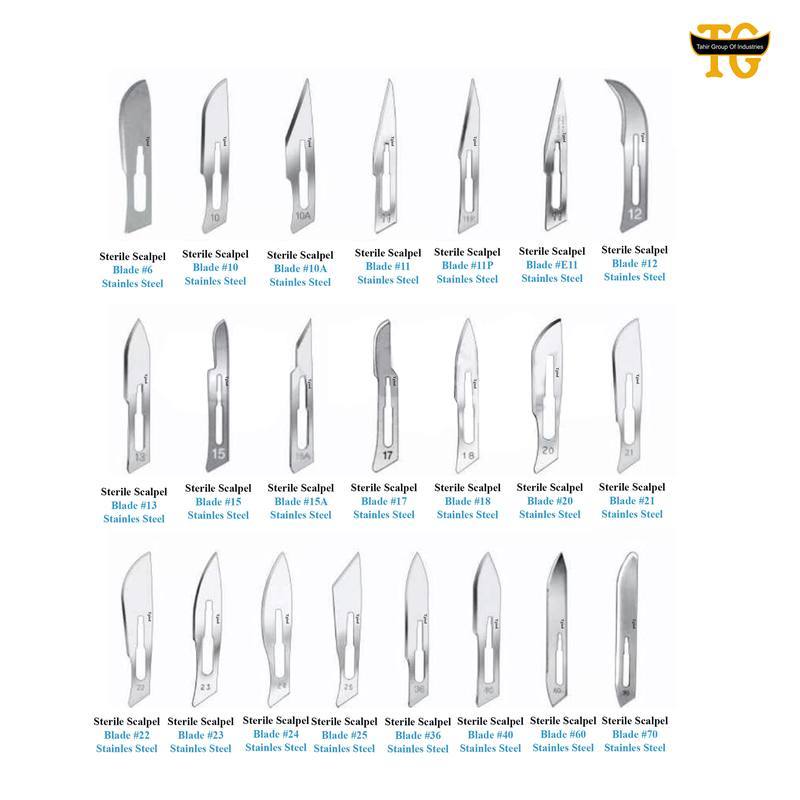
Scalpel Blades
In a surgical catalog a blade is a working part rather than a complete instrument, and the word covers two unrelated families.
MOQ 300 instruments
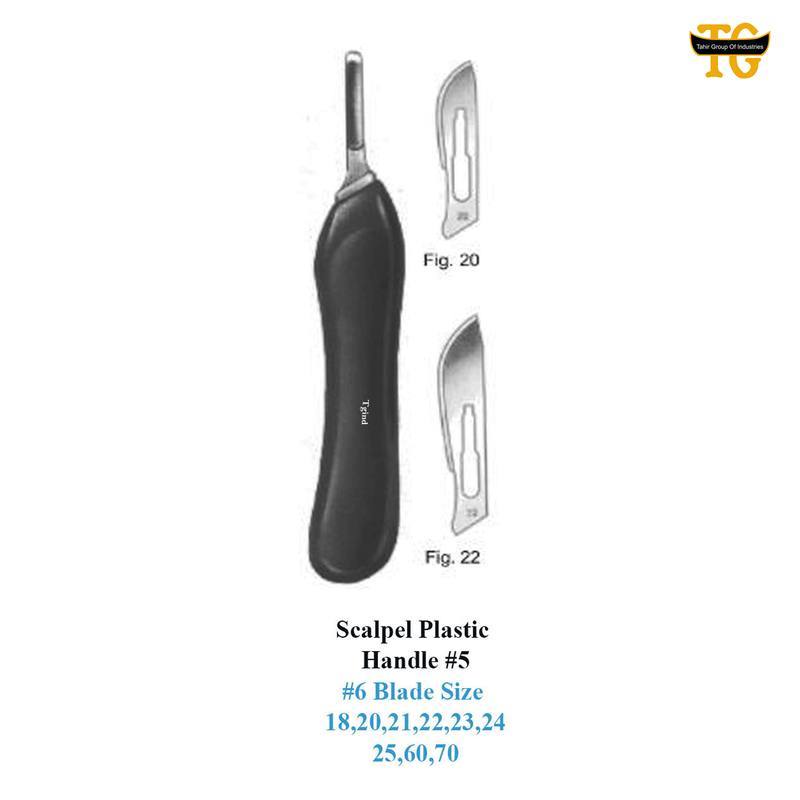
TGI's own catalog photograph of this article.
Scalpel Plastic Handle No. 5
The reusable handle that grips a disposable scalpel blade at a keyed slot near its tip, so the blade can be locked on, changed and removed without a hand touching its cutting edge: the handle itself carries no cutting edge.
MOQ 300 instruments
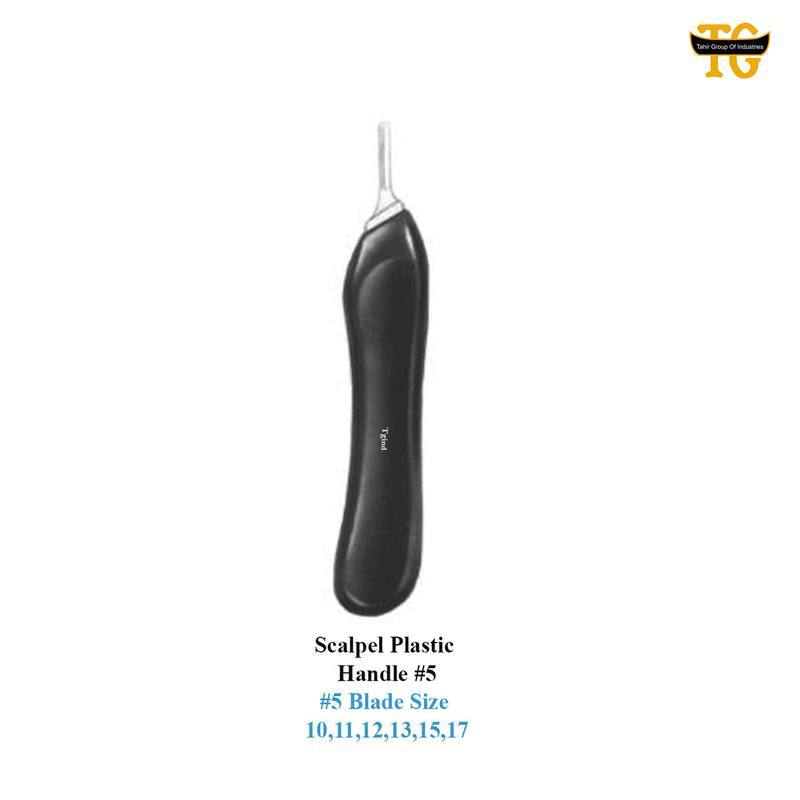
TGI's own catalog photograph of this article.
Scalpel Plastic Handle No. 5
The reusable handle that grips a disposable scalpel blade at a keyed slot near its tip, so the blade can be locked on, changed and removed without a hand touching its cutting edge: the handle itself carries no cutting edge.
MOQ 300 instruments
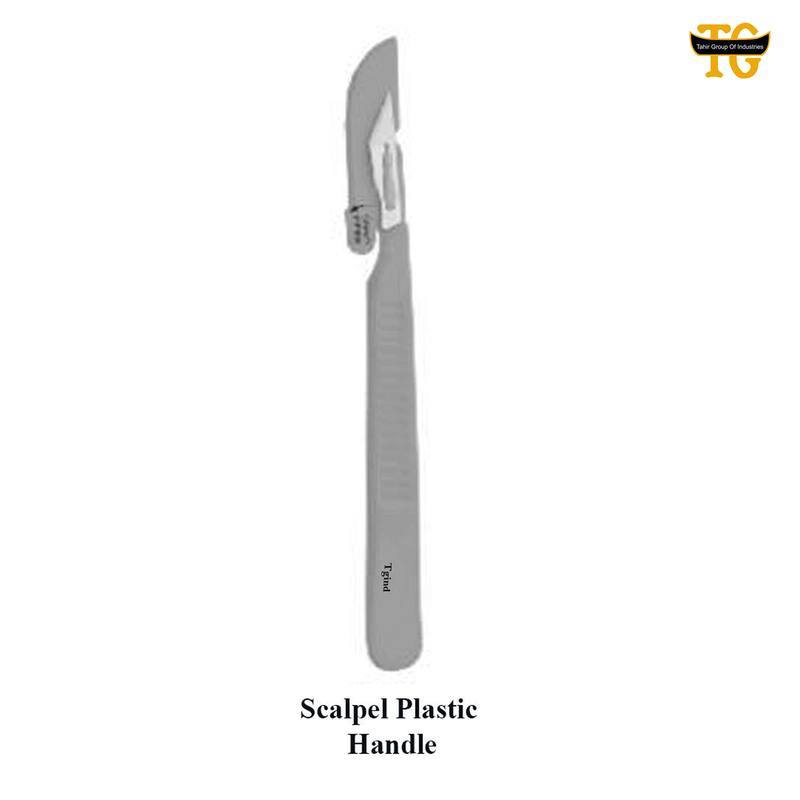
TGI's own catalog photograph of this article.
Scalpel Plastic Handle
The reusable handle that grips a disposable scalpel blade at a keyed slot near its tip, so the blade can be locked on, changed and removed without a hand touching its cutting edge: the handle itself carries no cutting edge.
MOQ 300 instruments
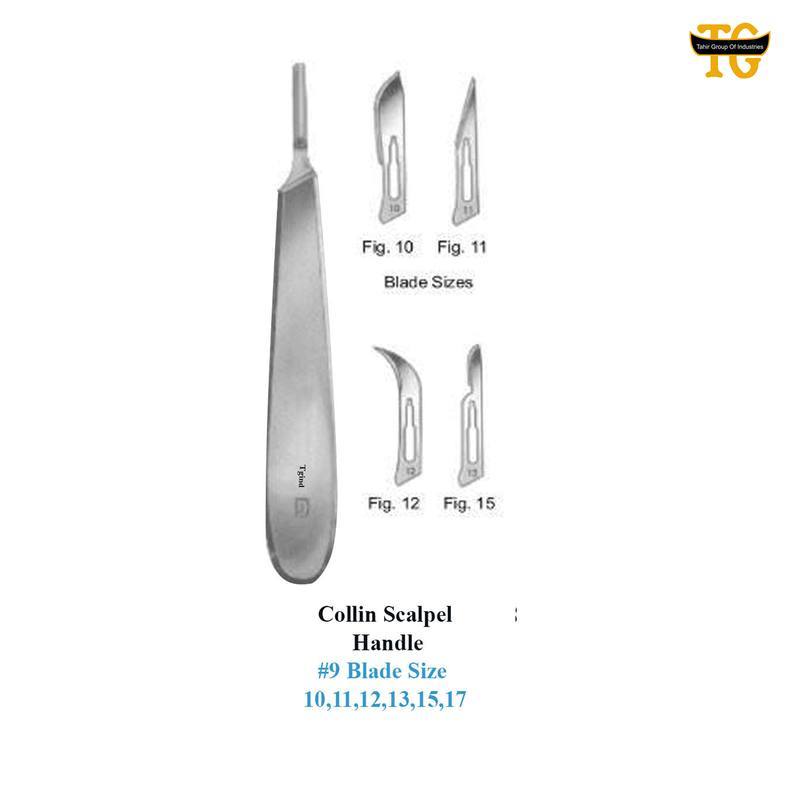
Collin Scalpel Handle
The reusable handle that grips a disposable scalpel blade at a keyed slot near its tip, so the blade can be locked on, changed and removed without a hand touching its cutting edge: the handle itself carries no cutting edge.
MOQ 300 instruments
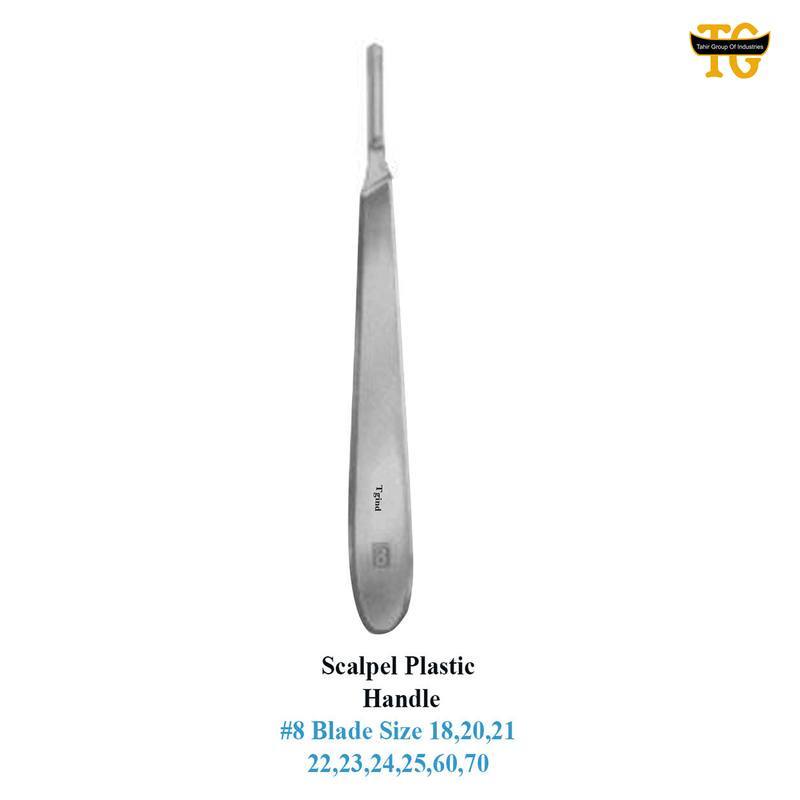
TGI's own catalog photograph of this article.
Scalpel Plastic Handle
The reusable handle that grips a disposable scalpel blade at a keyed slot near its tip, so the blade can be locked on, changed and removed without a hand touching its cutting edge: the handle itself carries no cutting edge.
MOQ 300 instruments
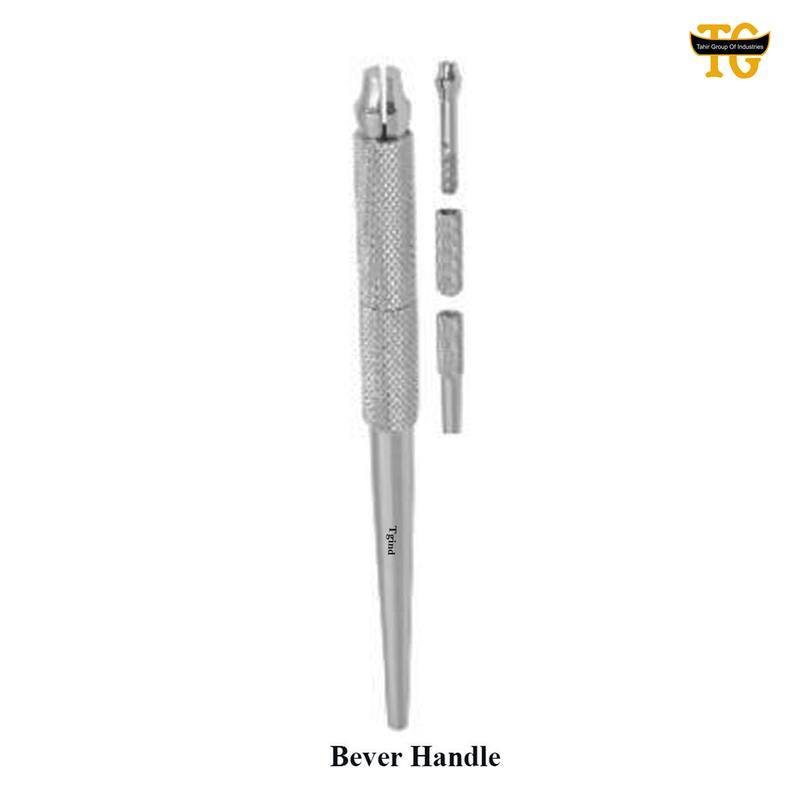
Bever Handle
The reusable handle that grips a disposable scalpel blade at a keyed slot near its tip, so the blade can be locked on, changed and removed without a hand touching its cutting edge: the handle itself carries no cutting edge.
MOQ 300 instruments
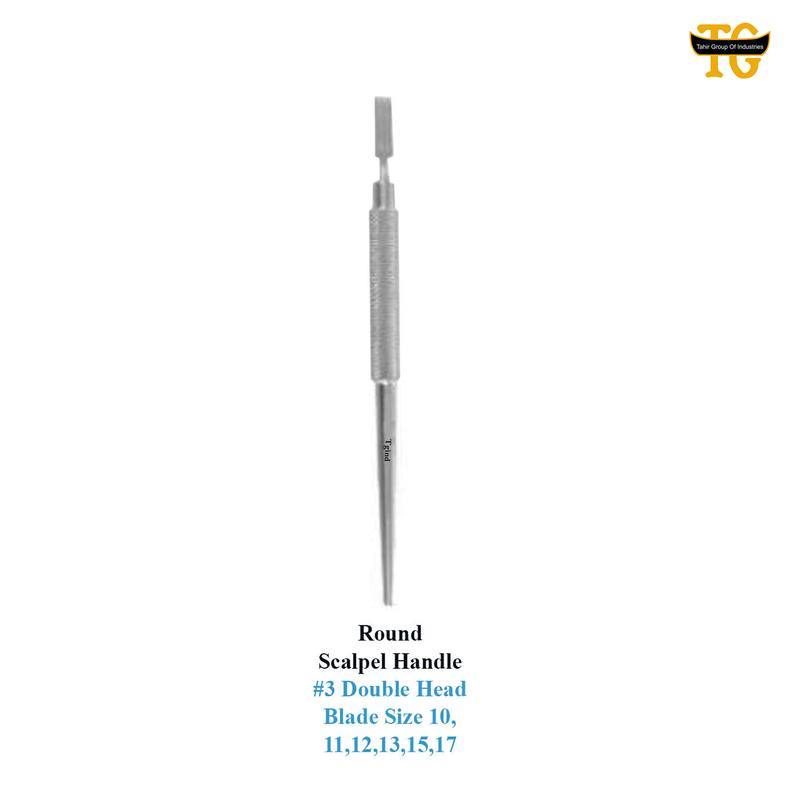
TGI's own catalog photograph of this article.
Round Scalpel Handle
The reusable handle that grips a disposable scalpel blade at a keyed slot near its tip, so the blade can be locked on, changed and removed without a hand touching its cutting edge: the handle itself carries no cutting edge.
MOQ 300 instruments
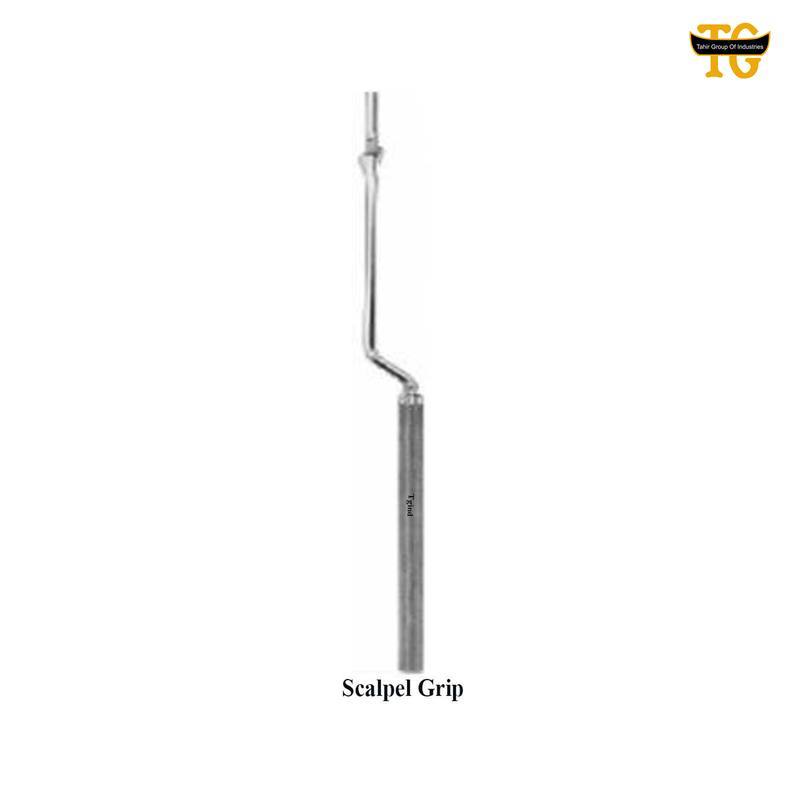
Scalpel Grip
The reusable handle that grips a disposable scalpel blade at a keyed slot near its tip, so the blade can be locked on, changed and removed without a hand touching its cutting edge: the handle itself carries no cutting edge.
MOQ 300 instruments
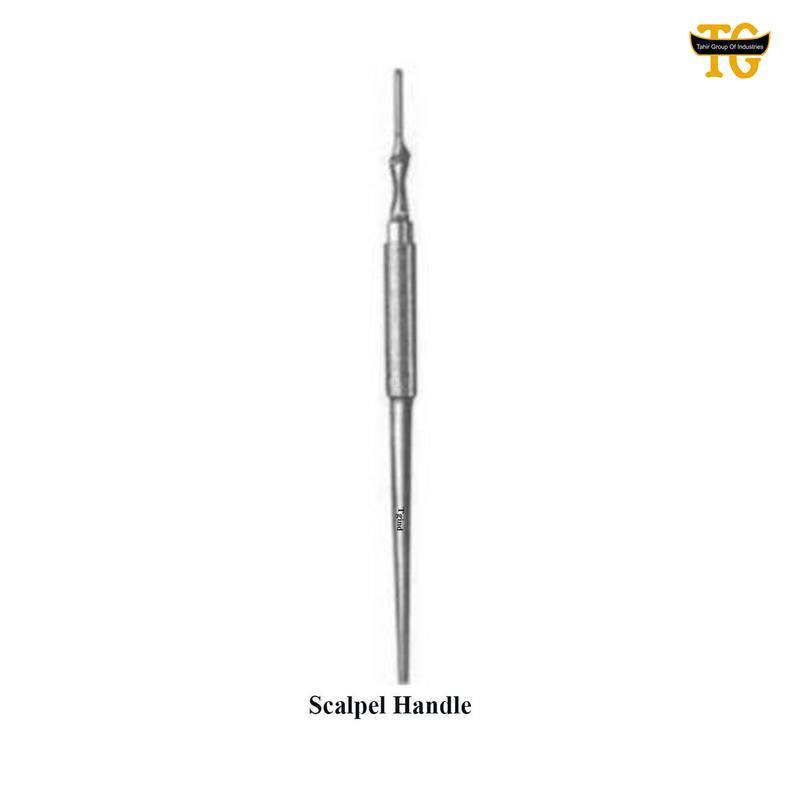
TGI's own catalog photograph of this article.
Scalpel Handle
The reusable handle that grips a disposable scalpel blade at a keyed slot near its tip, so the blade can be locked on, changed and removed without a hand touching its cutting edge: the handle itself carries no cutting edge.
MOQ 300 instruments
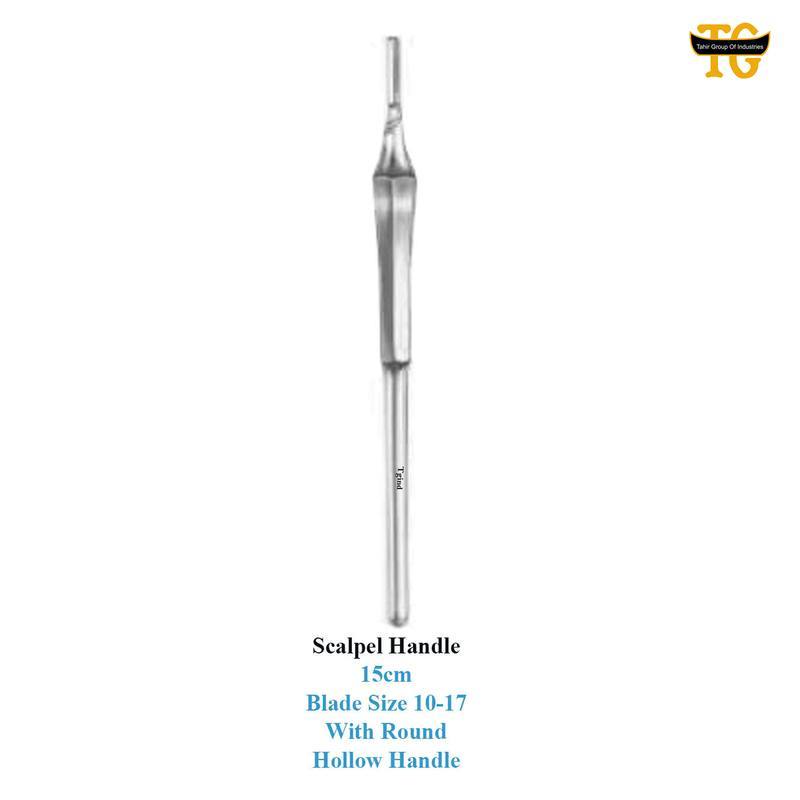
TGI's own catalog photograph of this article.
Scalpel Handle
The reusable handle that grips a disposable scalpel blade at a keyed slot near its tip, so the blade can be locked on, changed and removed without a hand touching its cutting edge: the handle itself carries no cutting edge.
MOQ 300 instruments
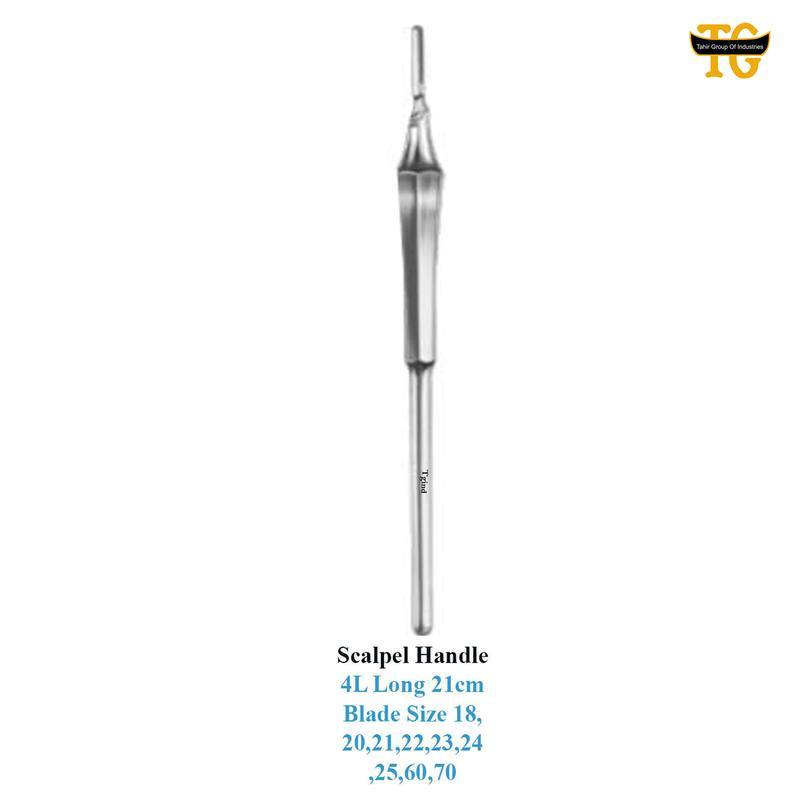
TGI's own catalog photograph of this article.
Scalpel Handle
The reusable handle that grips a disposable scalpel blade at a keyed slot near its tip, so the blade can be locked on, changed and removed without a hand touching its cutting edge: the handle itself carries no cutting edge.
MOQ 300 instruments
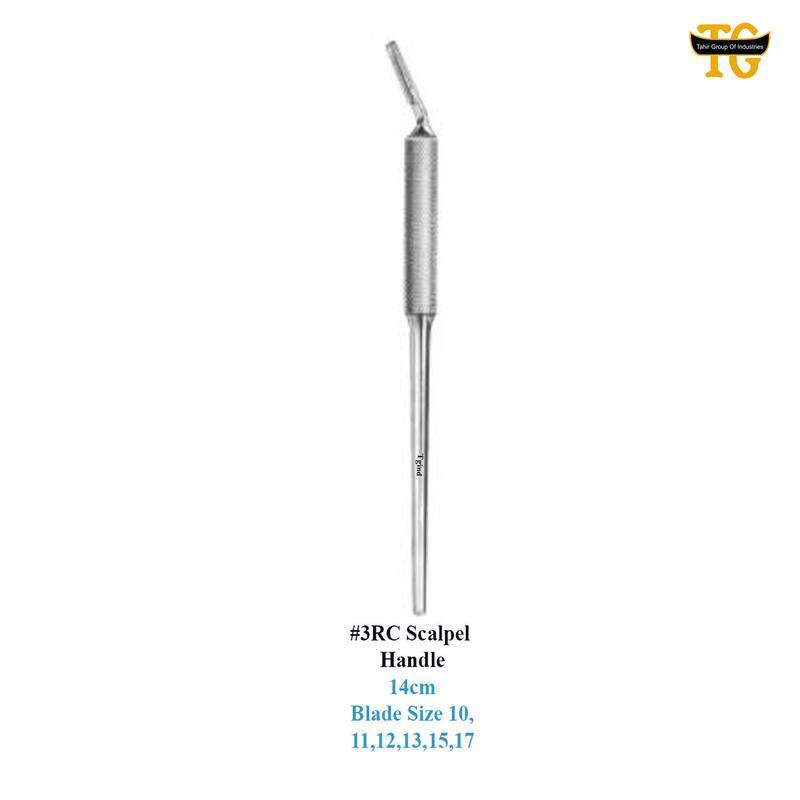
No. 3RC Scalpel Handle
The reusable handle that grips a disposable scalpel blade at a keyed slot near its tip, so the blade can be locked on, changed and removed without a hand touching its cutting edge: the handle itself carries no cutting edge.
MOQ 300 instruments
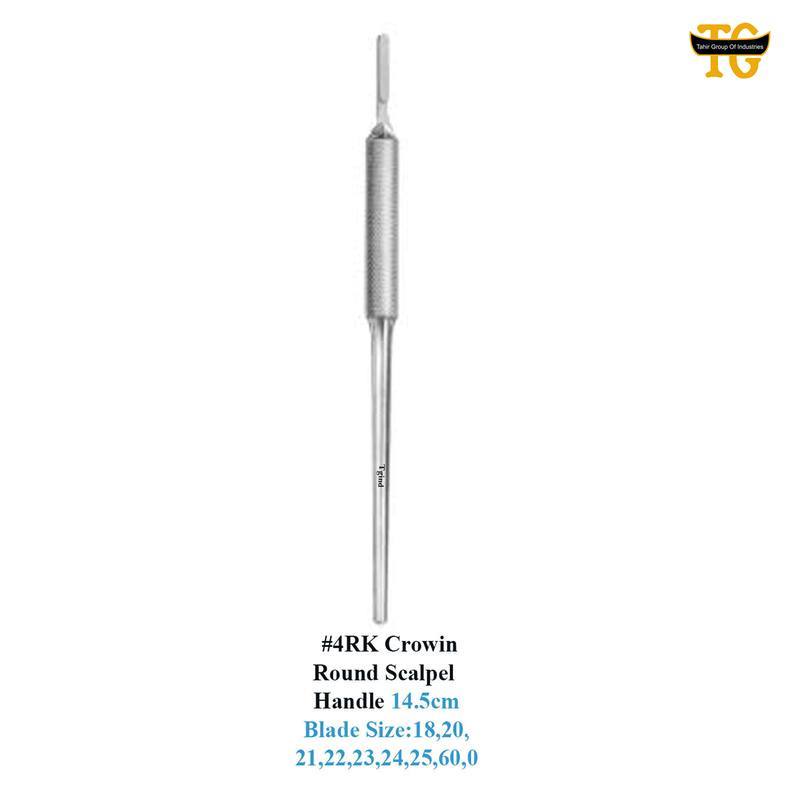
No. 4RK Crowin Round Scalpel Handle
The reusable handle that grips a disposable scalpel blade at a keyed slot near its tip, so the blade can be locked on, changed and removed without a hand touching its cutting edge: the handle itself carries no cutting edge.
MOQ 300 instruments
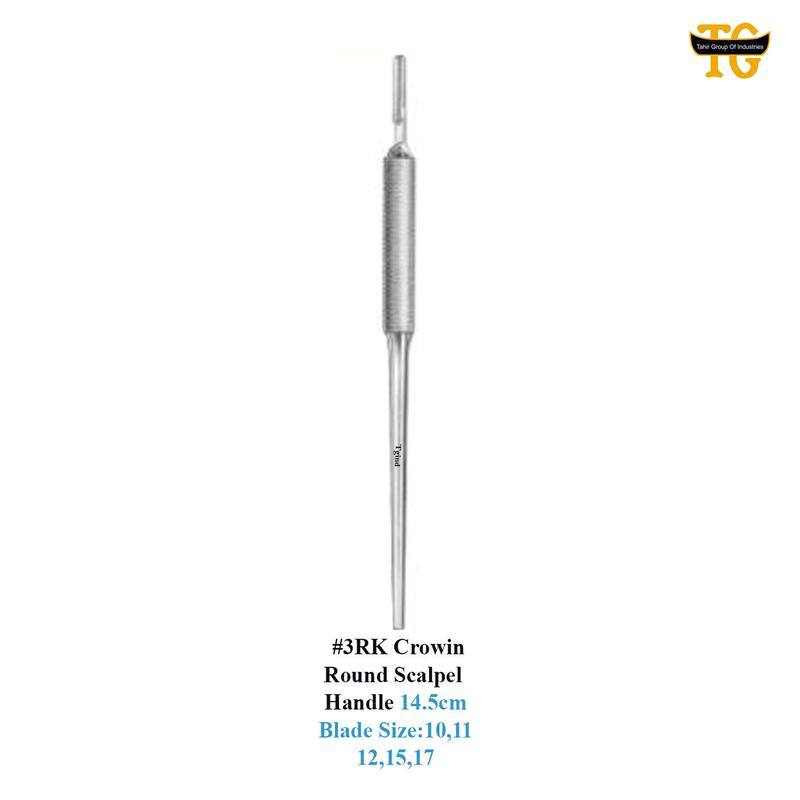
TGI's own catalog photograph of this article.
No. 3RK Crowin Round Scalpel Handle
The reusable handle that grips a disposable scalpel blade at a keyed slot near its tip, so the blade can be locked on, changed and removed without a hand touching its cutting edge: the handle itself carries no cutting edge.
MOQ 300 instruments
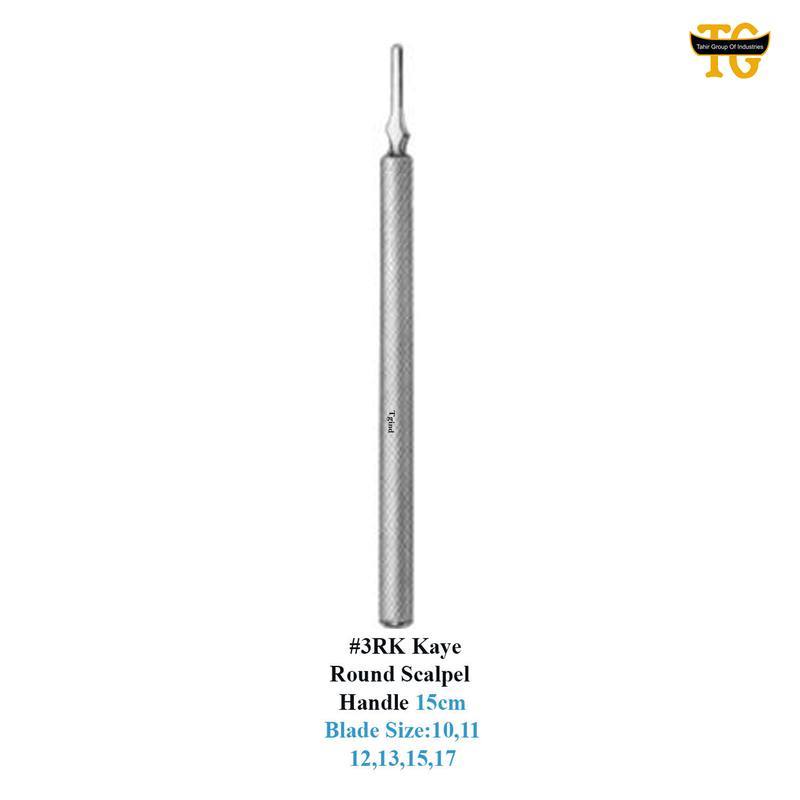
TGI's own catalog photograph of this article.
No. 3RK Kaye Round Scalpel Handle
The reusable handle that grips a disposable scalpel blade at a keyed slot near its tip, so the blade can be locked on, changed and removed without a hand touching its cutting edge: the handle itself carries no cutting edge.
MOQ 300 instruments
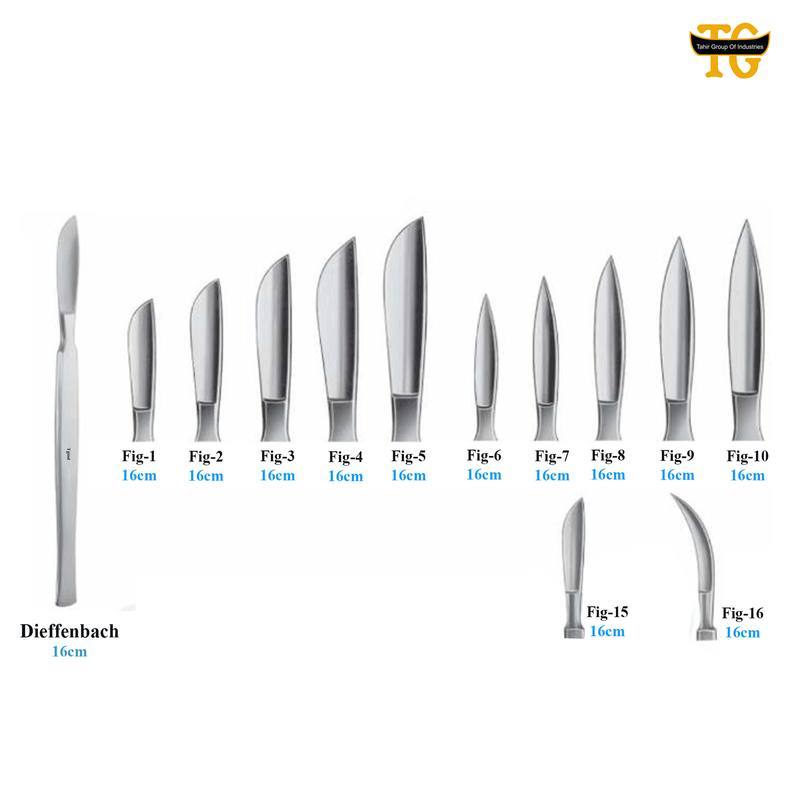
Diffenbach
A dissecting knife is a fixed-blade knife: the blade is permanently attached to the handle and is re-sharpened rather than replaced, which is what separates it from a scalpel handle that takes a detachable blade.
MOQ 300 instruments
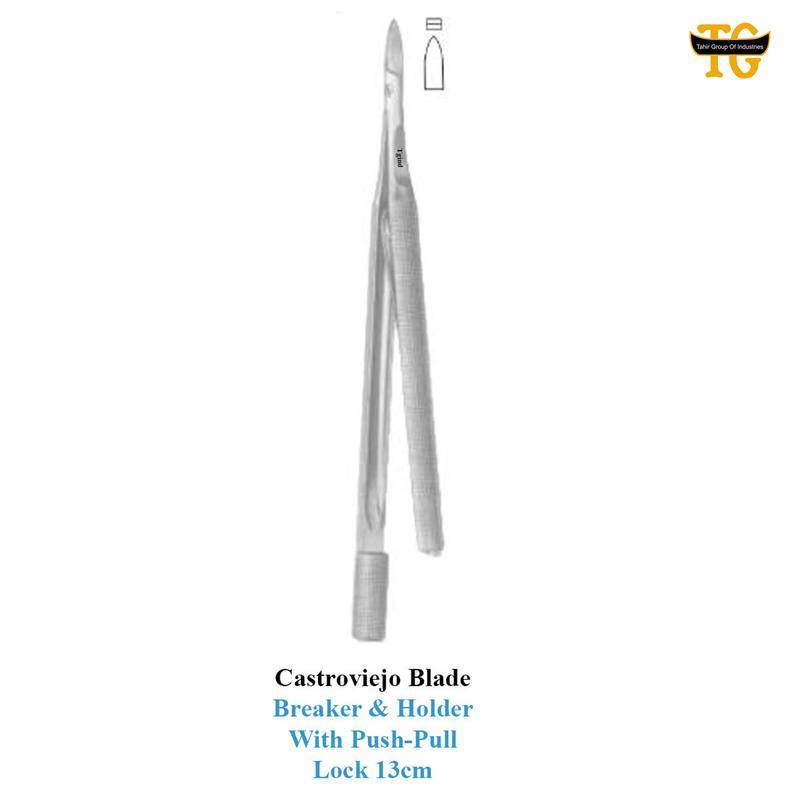
Castroviejo Blade Breaker & Holder With Push-Pull Lock
A blade holder (cataloged in general and ophthalmic ranges as a blade breaker and holder) is a small forceps-style instrument that grips a fragment broken off a razor or scalpel blade, rather than carrying a cutting edge of its own.
MOQ 300 instruments
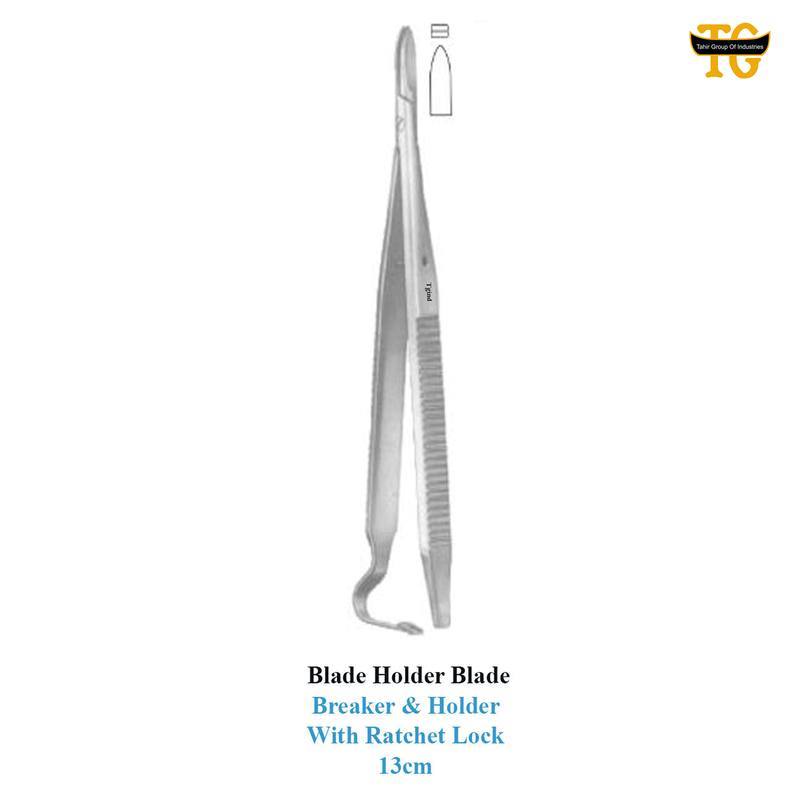
Blade Holder Blade Breaker & Holder With Ratchet Lock
A blade holder (cataloged in general and ophthalmic ranges as a blade breaker and holder) is a small forceps-style instrument that grips a fragment broken off a razor or scalpel blade, rather than carrying a cutting edge of its own.
MOQ 300 instruments
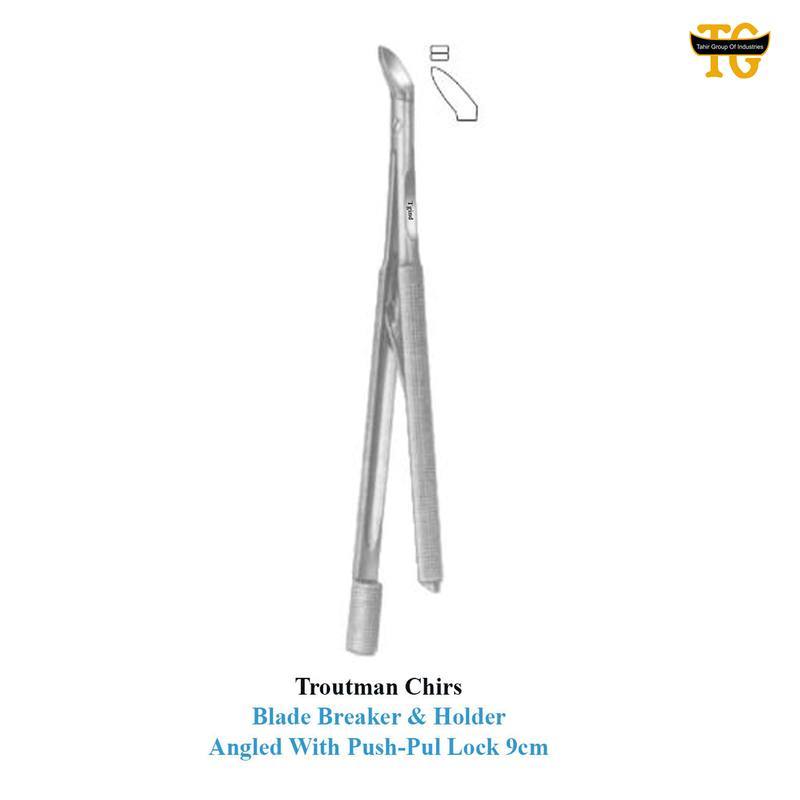
Troutman Chirs Blade Breaker & Holder
A blade holder (cataloged in general and ophthalmic ranges as a blade breaker and holder) is a small forceps-style instrument that grips a fragment broken off a razor or scalpel blade, rather than carrying a cutting edge of its own.
MOQ 300 instruments
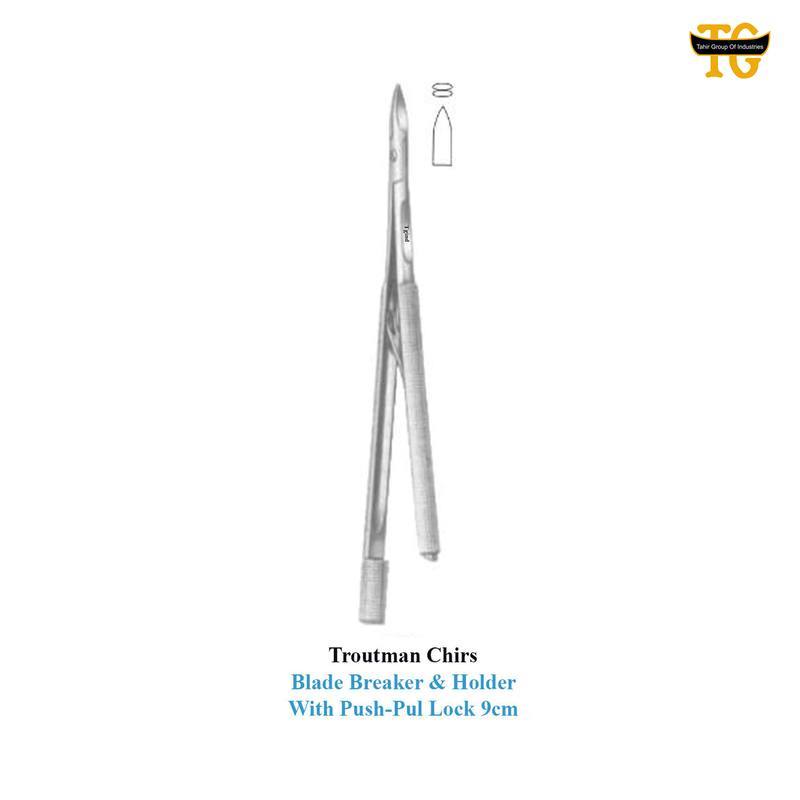
Troutman Chirs Blade Breaker & Holder With Push-Pul Lock
A blade holder (cataloged in general and ophthalmic ranges as a blade breaker and holder) is a small forceps-style instrument that grips a fragment broken off a razor or scalpel blade, rather than carrying a cutting edge of its own.
MOQ 300 instruments
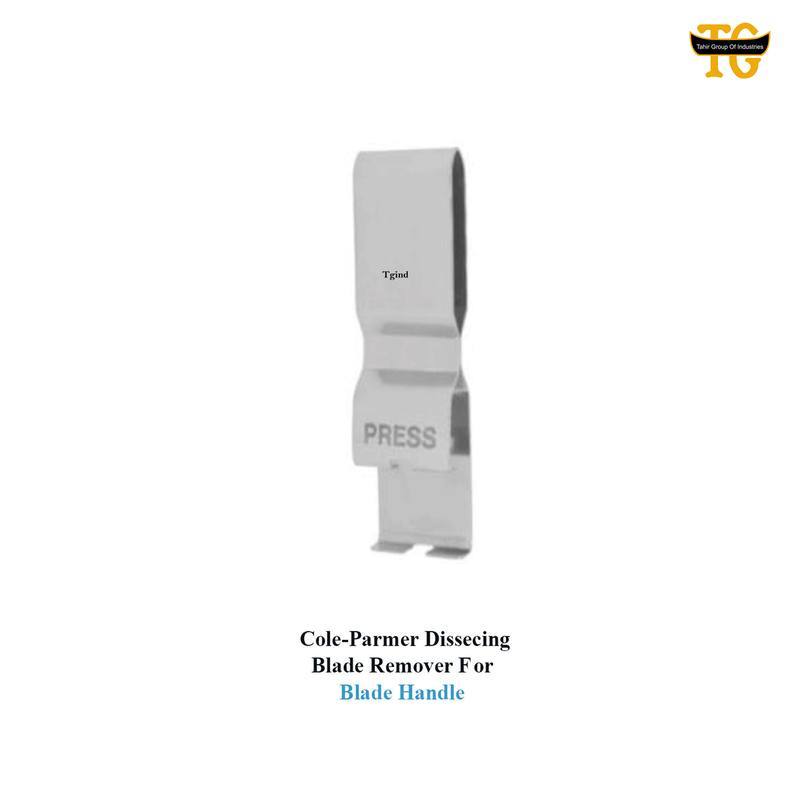
Blade Remover
A blade remover is a small hand tool for taking a used scalpel or dissecting blade off a reusable blade handle without the fingers going near the cutting edge.
MOQ 300 instruments
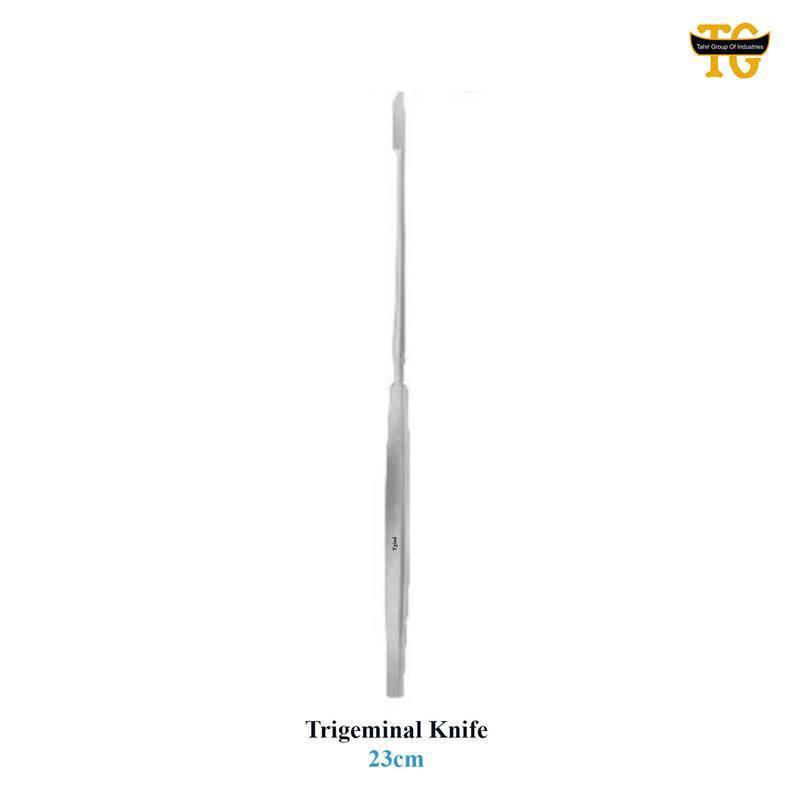
Trigeminal Knife
A fine knife with a long, slender neck ending in a small curved blade, built to reach deep into a narrow surgical field.
MOQ 300 instruments
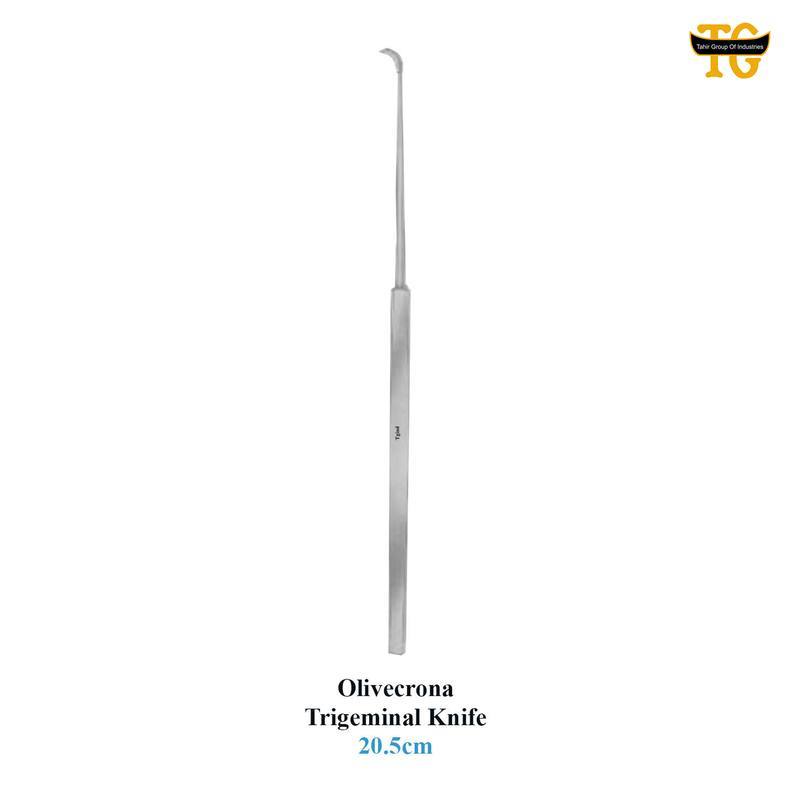
Olivecrona Trigeminal Knife
A fine knife with a long, slender neck ending in a small curved blade, built to reach deep into a narrow surgical field.
MOQ 300 instruments
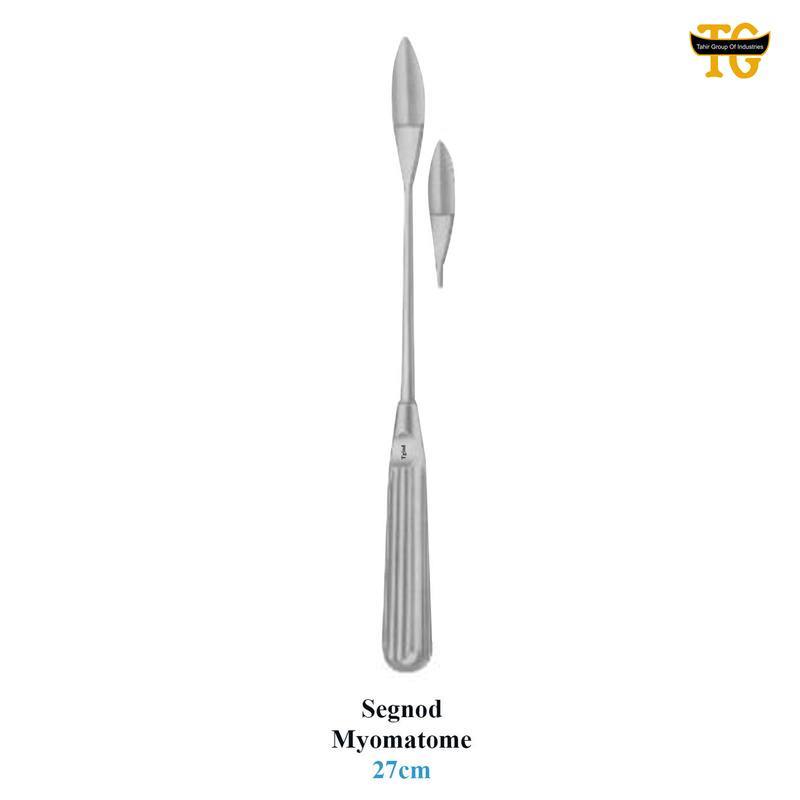
Segnod Myomatome
MOQ 300 instruments
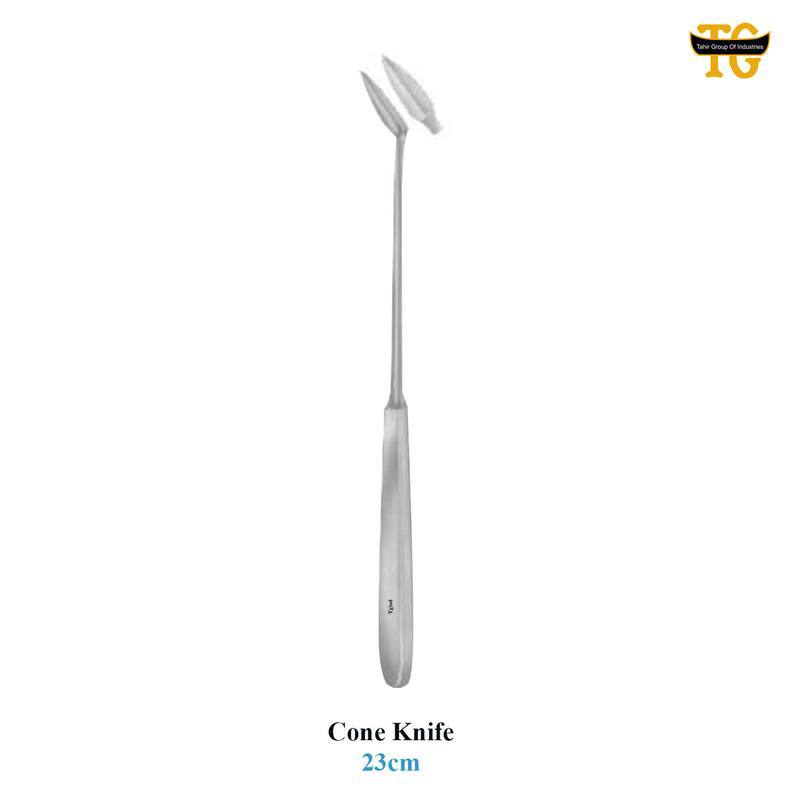
Cone Knife
A cone biopsy knife is a fixed-blade knife built for cervical conization, removing a cone-shaped tissue sample from the cervix.
MOQ 300 instruments
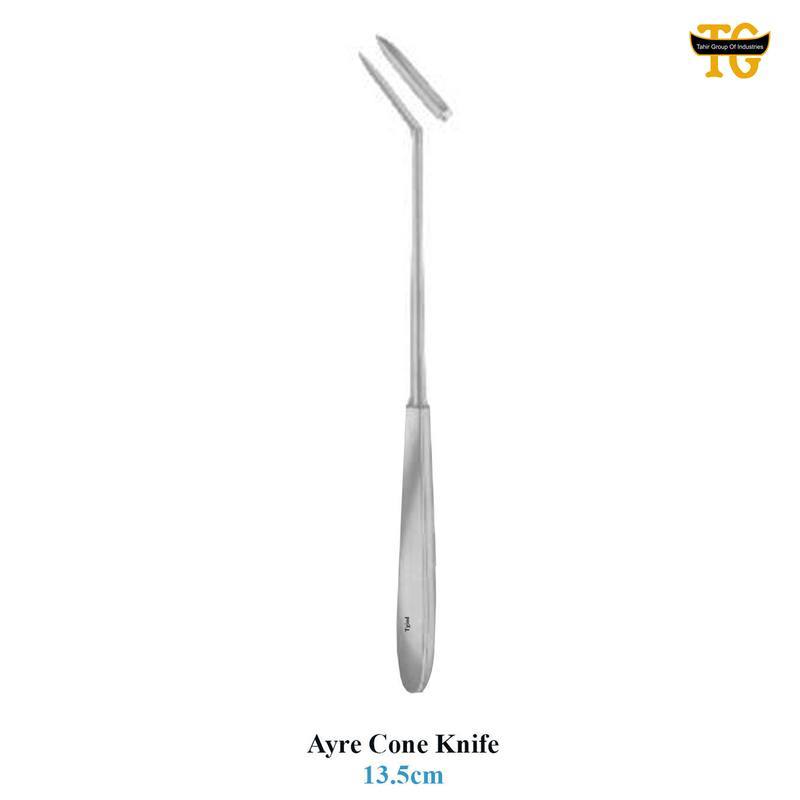
Ayre Cone Knife
A cone biopsy knife is a fixed-blade knife built for cervical conization, removing a cone-shaped tissue sample from the cervix.
MOQ 300 instruments
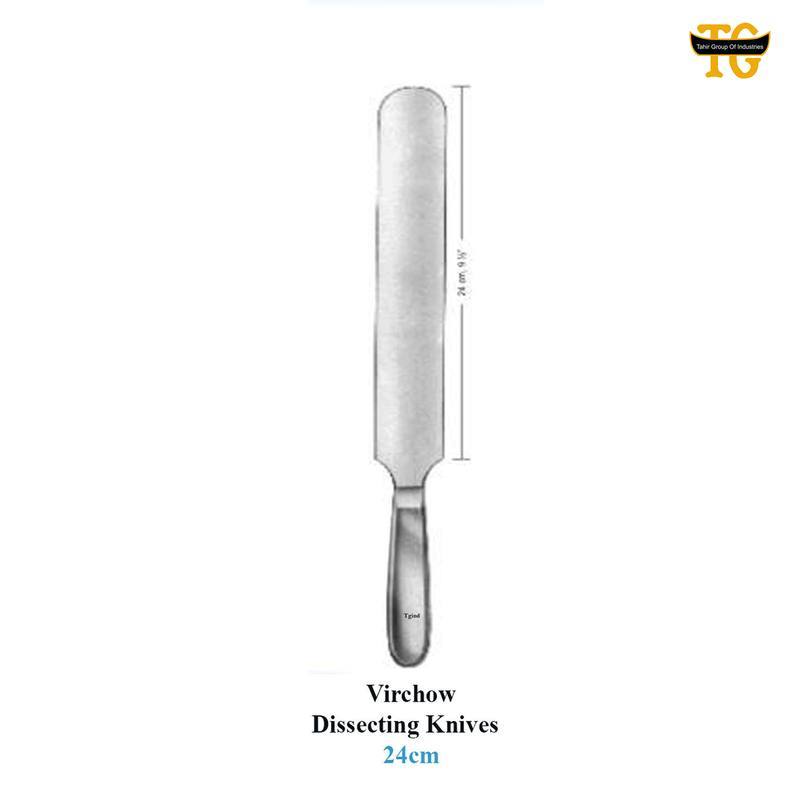
TGI's own catalog photograph of this article.
Virchow Dissecting Knife
A dissecting knife is a fixed-blade knife: the blade is permanently attached to the handle and is re-sharpened rather than replaced, which is what separates it from a scalpel handle that takes a detachable blade.
MOQ 300 instruments
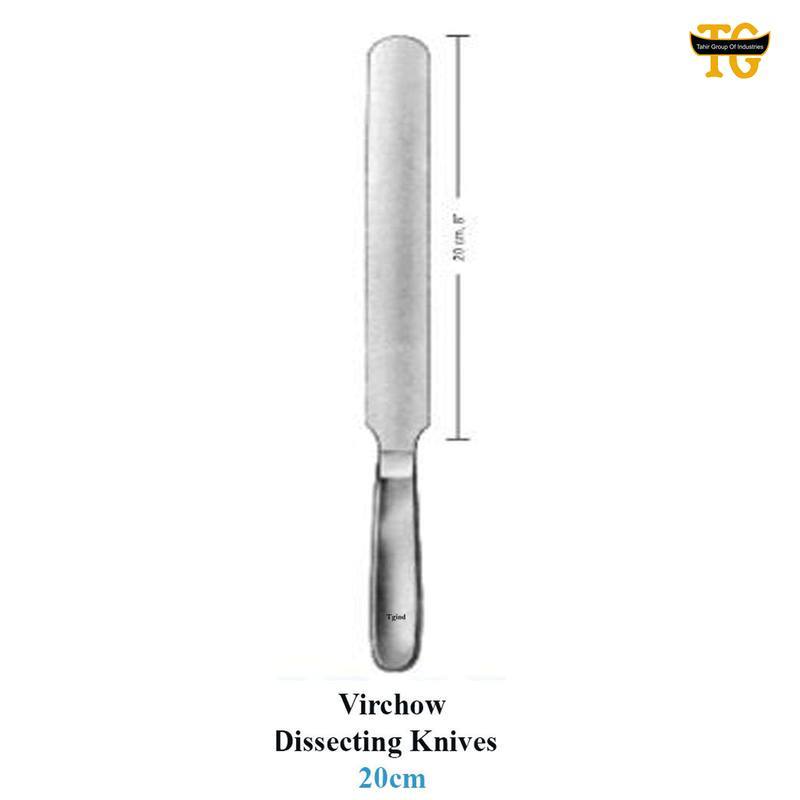
TGI's own catalog photograph of this article.
Virchow Dissecting Knife
A dissecting knife is a fixed-blade knife: the blade is permanently attached to the handle and is re-sharpened rather than replaced, which is what separates it from a scalpel handle that takes a detachable blade.
MOQ 300 instruments
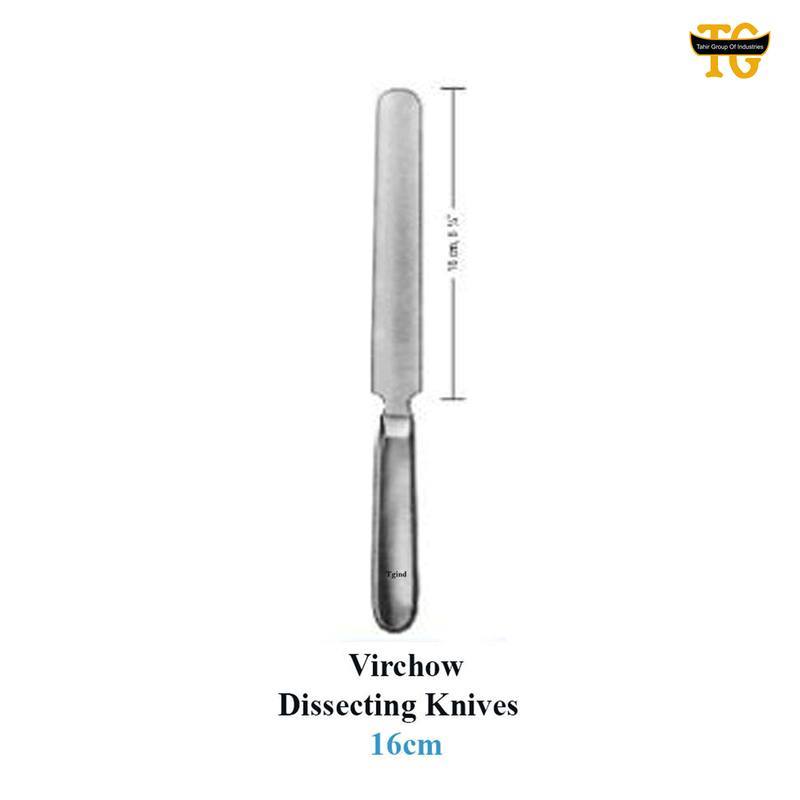
TGI's own catalog photograph of this article.
Virchow Dissecting Knife
A dissecting knife is a fixed-blade knife: the blade is permanently attached to the handle and is re-sharpened rather than replaced, which is what separates it from a scalpel handle that takes a detachable blade.
MOQ 300 instruments
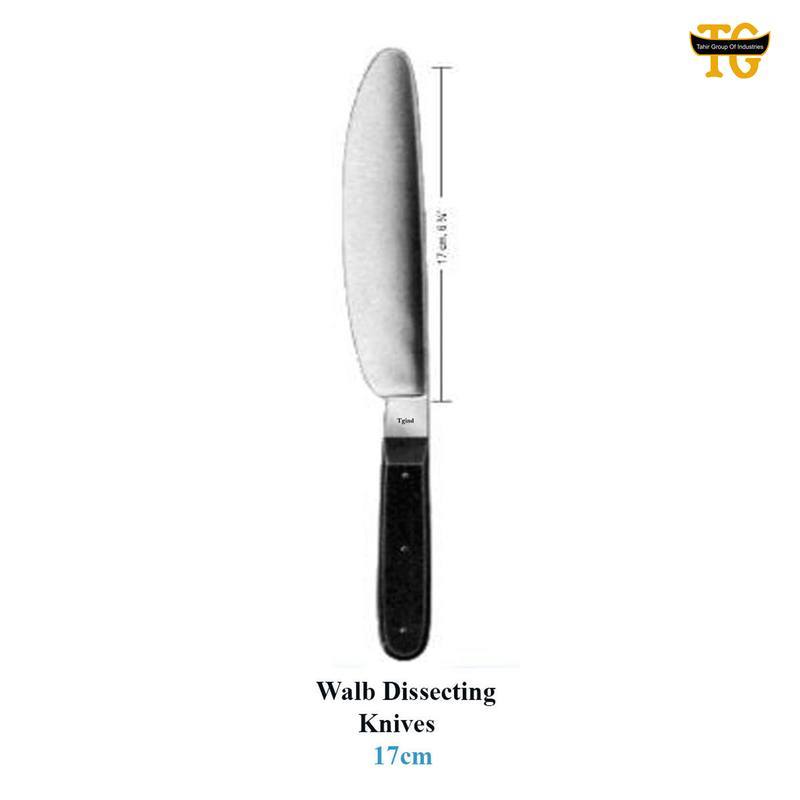
TGI's own catalog photograph of this article.
Walb Dissecting Knives
A dissecting knife is a fixed-blade knife: the blade is permanently attached to the handle and is re-sharpened rather than replaced, which is what separates it from a scalpel handle that takes a detachable blade.
MOQ 300 instruments
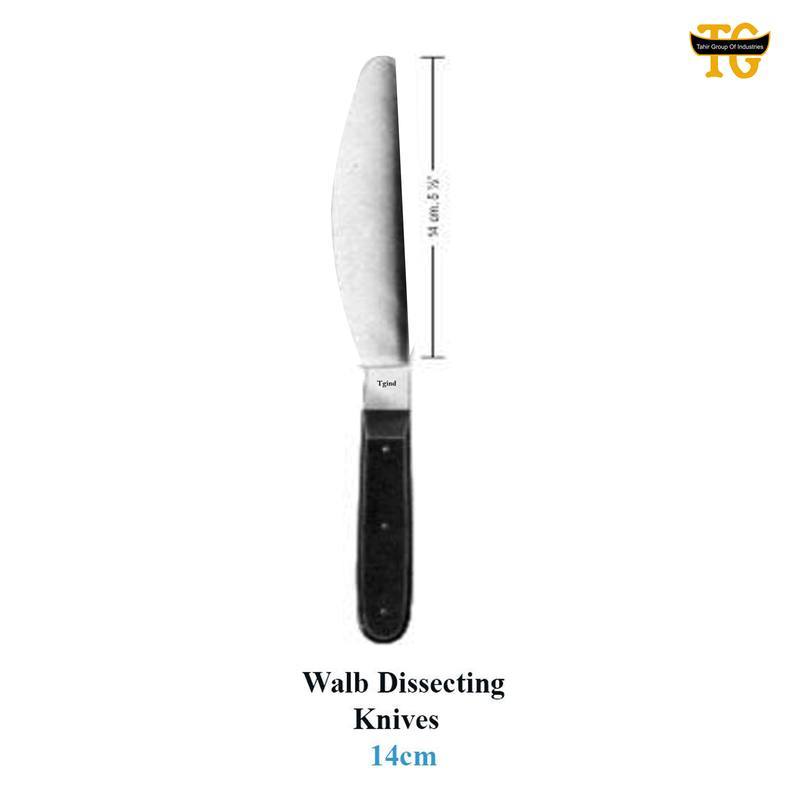
TGI's own catalog photograph of this article.
Walb Dissecting Knives
A dissecting knife is a fixed-blade knife: the blade is permanently attached to the handle and is re-sharpened rather than replaced, which is what separates it from a scalpel handle that takes a detachable blade.
MOQ 300 instruments
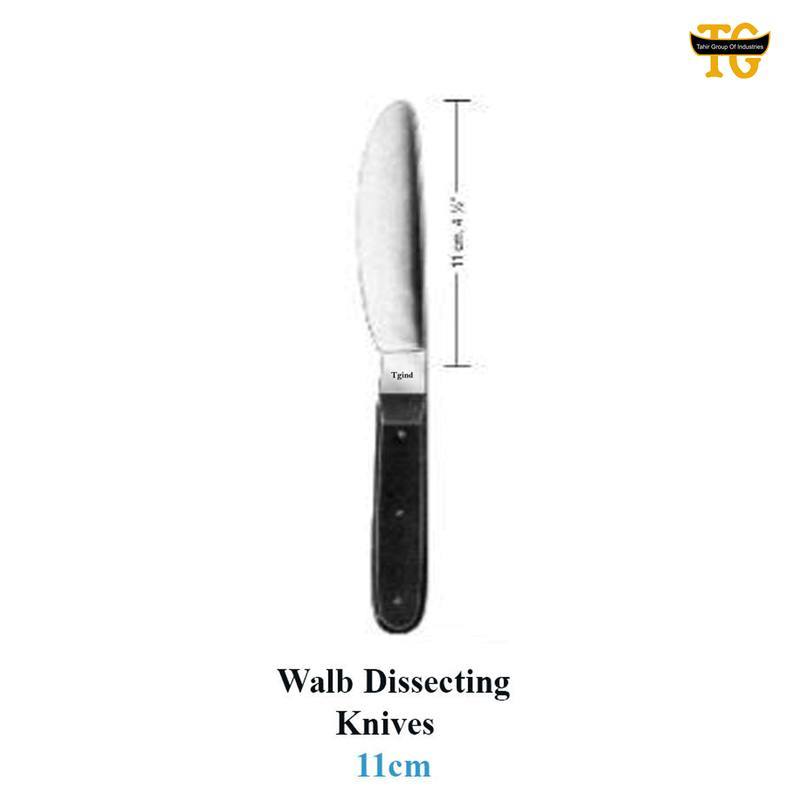
TGI's own catalog photograph of this article.
Walb Dissecting Knives
A dissecting knife is a fixed-blade knife: the blade is permanently attached to the handle and is re-sharpened rather than replaced, which is what separates it from a scalpel handle that takes a detachable blade.
MOQ 300 instruments
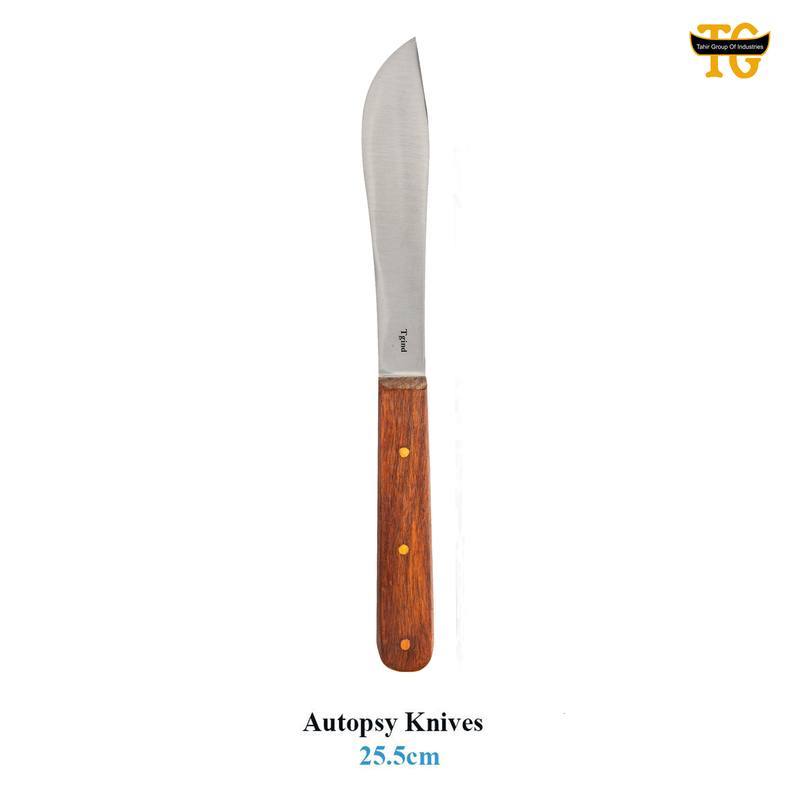
Autopsy Knife
An autopsy knife, also called a post-mortem knife, is a large, single-edged dissecting knife built for opening and reflecting wide areas of tissue during a post-mortem examination, rather than for the short, precise cuts an operating-room scalpel is built for.
MOQ 300 instruments
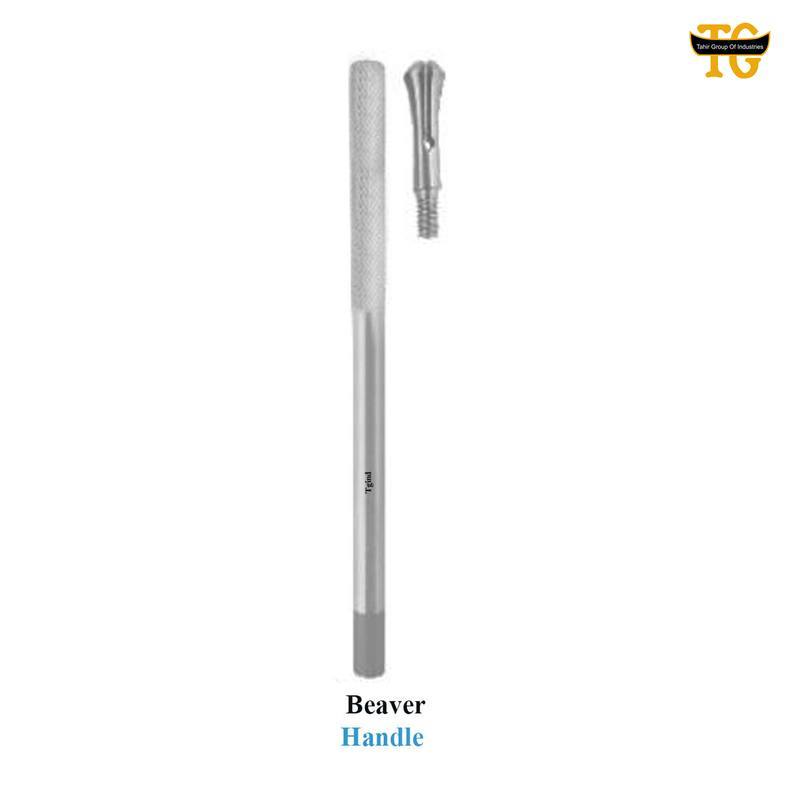
Beaver Handle
The reusable handle that grips a disposable scalpel blade at a keyed slot near its tip, so the blade can be locked on, changed and removed without a hand touching its cutting edge: the handle itself carries no cutting edge.
MOQ 300 instruments
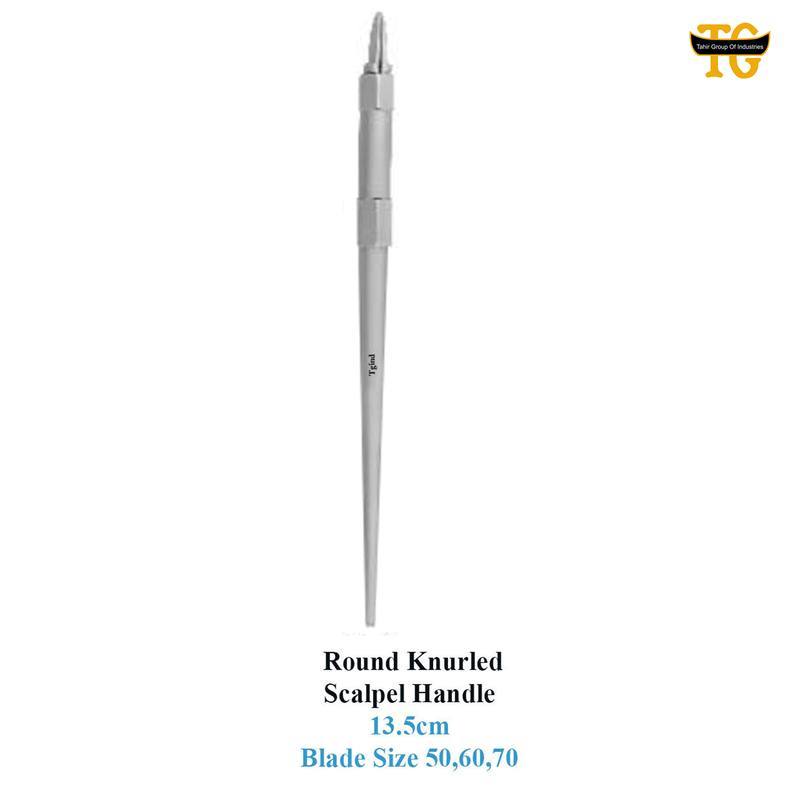
TGI's own catalog photograph of this article.
Round Knurled Scalpel Handle
The reusable handle that grips a disposable scalpel blade at a keyed slot near its tip, so the blade can be locked on, changed and removed without a hand touching its cutting edge: the handle itself carries no cutting edge.
MOQ 300 instruments
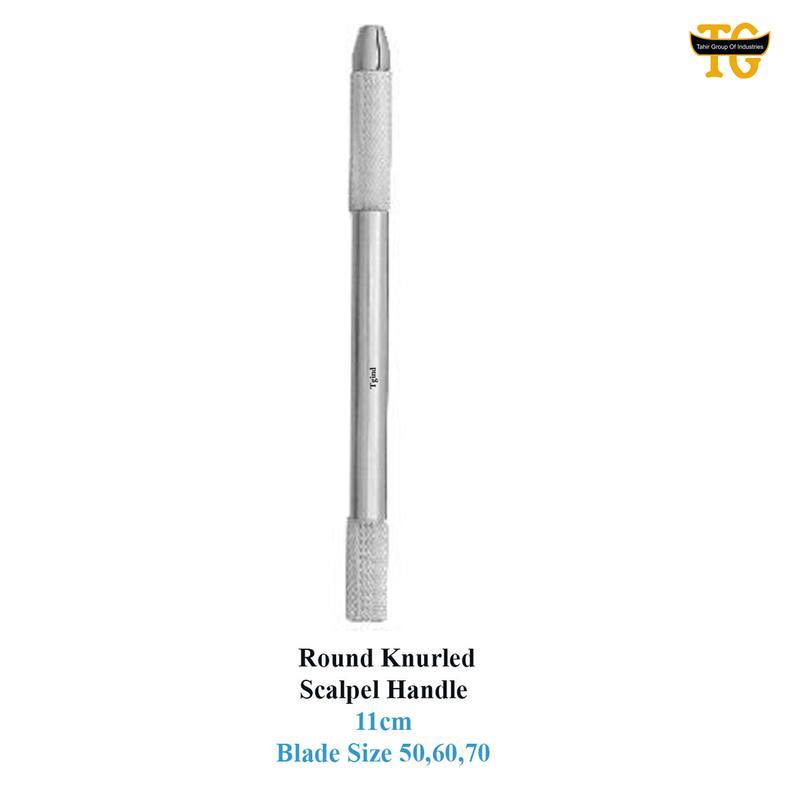
TGI's own catalog photograph of this article.
Round Knurled Scalpel Handle
The reusable handle that grips a disposable scalpel blade at a keyed slot near its tip, so the blade can be locked on, changed and removed without a hand touching its cutting edge: the handle itself carries no cutting edge.
MOQ 300 instruments
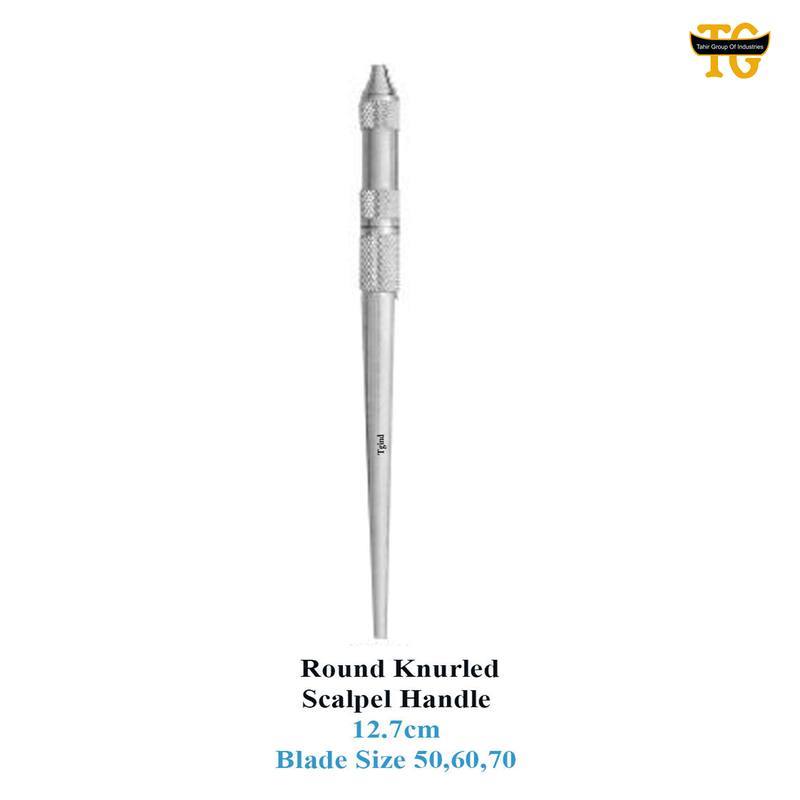
TGI's own catalog photograph of this article.
Round Knurled Scalpel Handle
The reusable handle that grips a disposable scalpel blade at a keyed slot near its tip, so the blade can be locked on, changed and removed without a hand touching its cutting edge: the handle itself carries no cutting edge.
MOQ 300 instruments
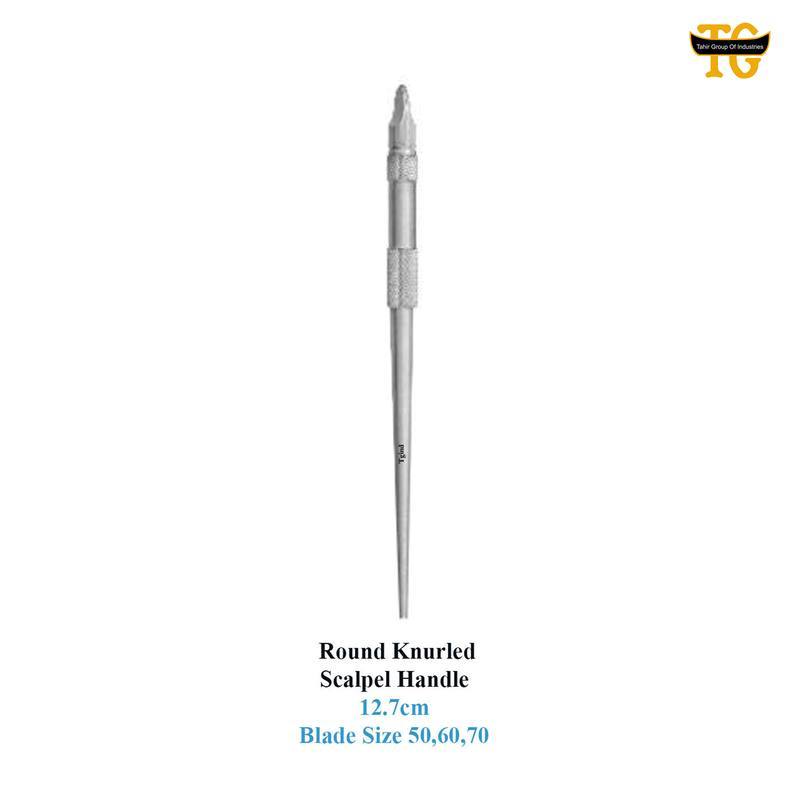
TGI's own catalog photograph of this article.
Round Knurled Scalpel Handle
The reusable handle that grips a disposable scalpel blade at a keyed slot near its tip, so the blade can be locked on, changed and removed without a hand touching its cutting edge: the handle itself carries no cutting edge.
MOQ 300 instruments
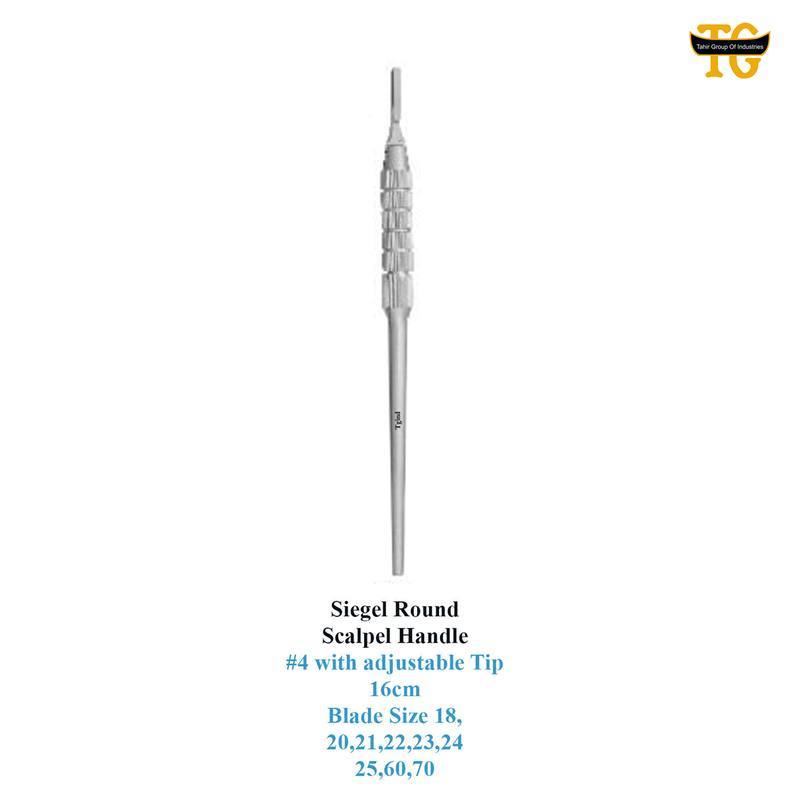
TGI's own catalog photograph of this article.
Siegel Round Scalpel Handle
The reusable handle that grips a disposable scalpel blade at a keyed slot near its tip, so the blade can be locked on, changed and removed without a hand touching its cutting edge: the handle itself carries no cutting edge.
MOQ 300 instruments
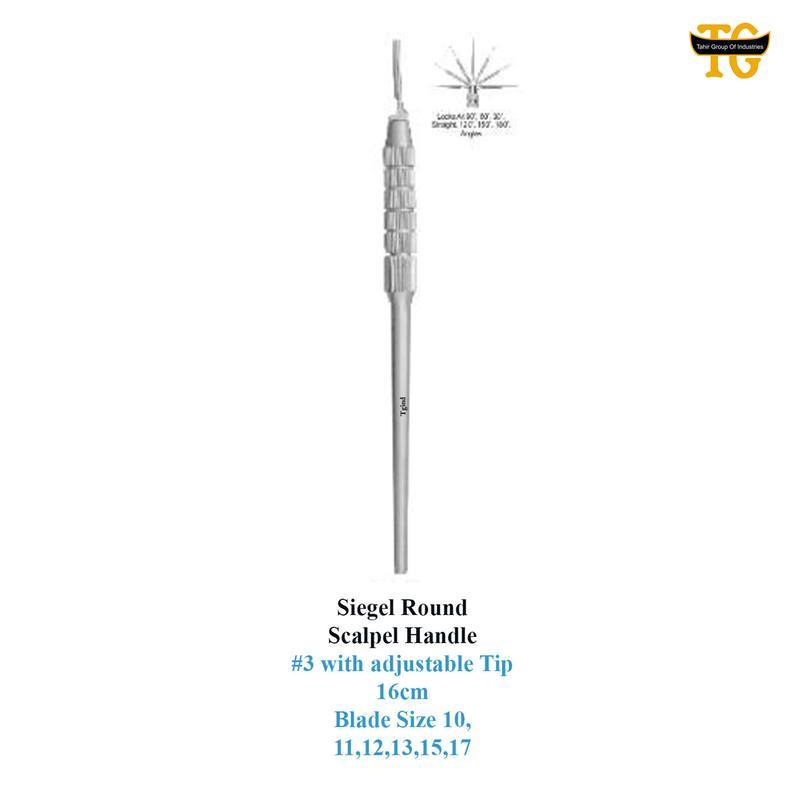
TGI's own catalog photograph of this article.
Siegel Round Scalpel Handle
The reusable handle that grips a disposable scalpel blade at a keyed slot near its tip, so the blade can be locked on, changed and removed without a hand touching its cutting edge: the handle itself carries no cutting edge.
MOQ 300 instruments
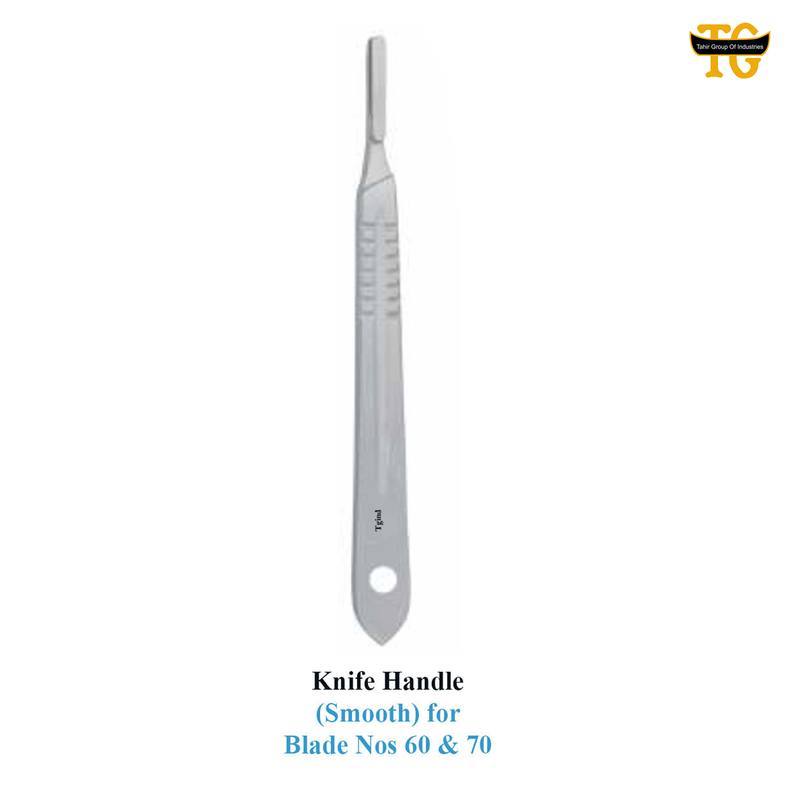
Knife Handle (Smooth)
The reusable handle that grips a disposable scalpel blade at a keyed slot near its tip, so the blade can be locked on, changed and removed without a hand touching its cutting edge: the handle itself carries no cutting edge.
MOQ 300 instruments
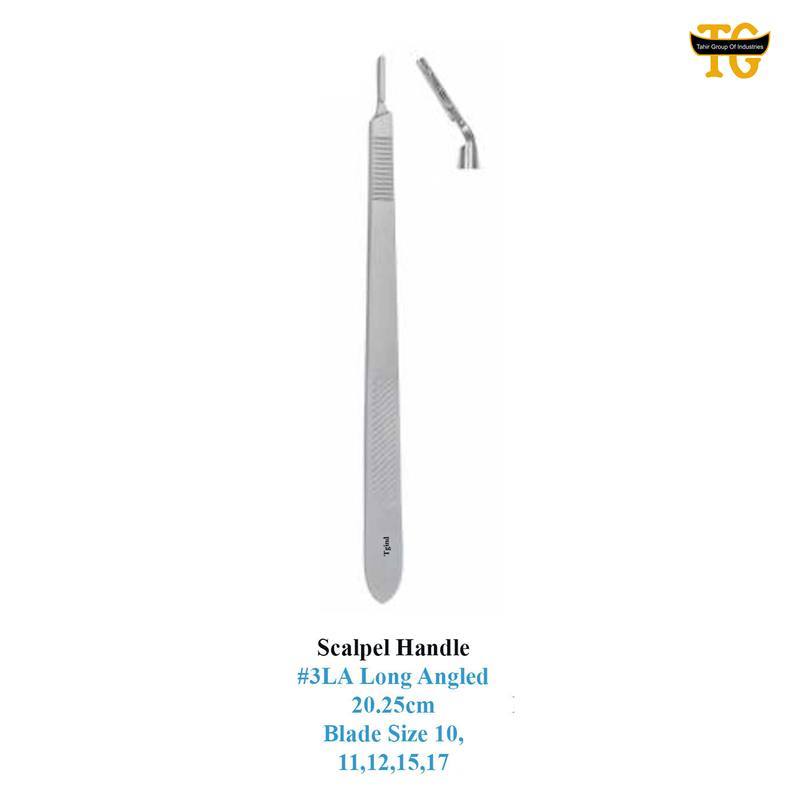
Scalpel Handle No. 3LA Long Angled
The reusable handle that grips a disposable scalpel blade at a keyed slot near its tip, so the blade can be locked on, changed and removed without a hand touching its cutting edge: the handle itself carries no cutting edge.
MOQ 300 instruments
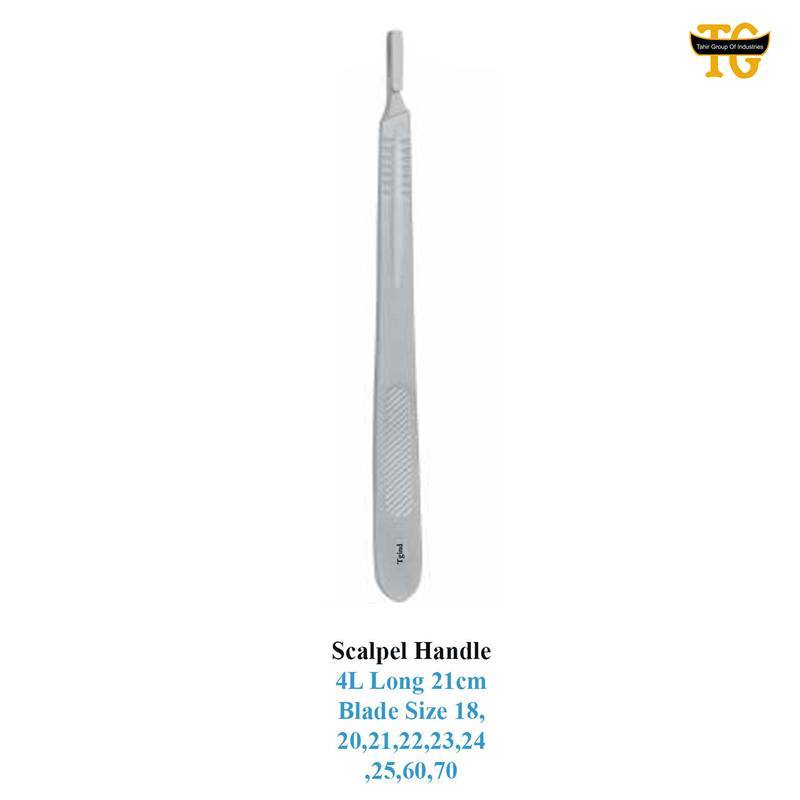
TGI's own catalog photograph of this article.
Scalpel Handle
The reusable handle that grips a disposable scalpel blade at a keyed slot near its tip, so the blade can be locked on, changed and removed without a hand touching its cutting edge: the handle itself carries no cutting edge.
MOQ 300 instruments
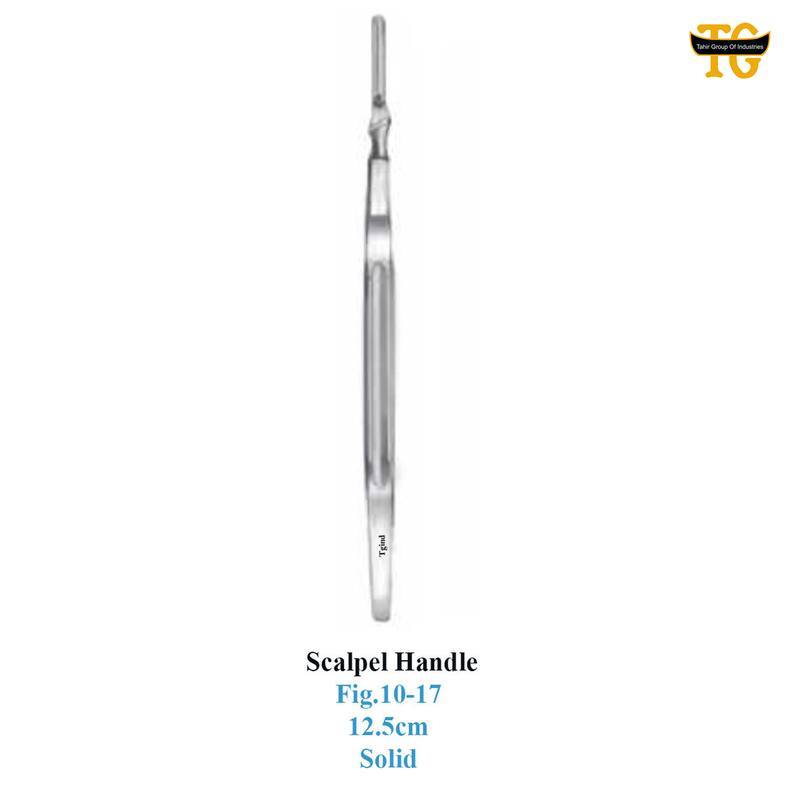
TGI's own catalog photograph of this article.
Scalpel Handle
The reusable handle that grips a disposable scalpel blade at a keyed slot near its tip, so the blade can be locked on, changed and removed without a hand touching its cutting edge: the handle itself carries no cutting edge.
MOQ 300 instruments
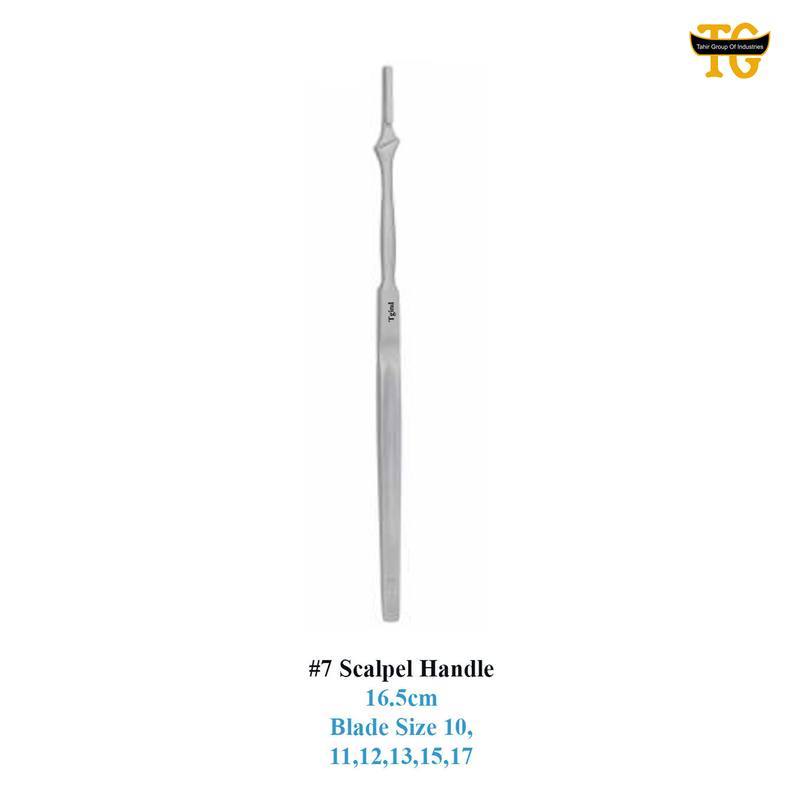
No. 7 Scalpel Handle
The reusable handle that grips a disposable scalpel blade at a keyed slot near its tip, so the blade can be locked on, changed and removed without a hand touching its cutting edge: the handle itself carries no cutting edge.
MOQ 300 instruments
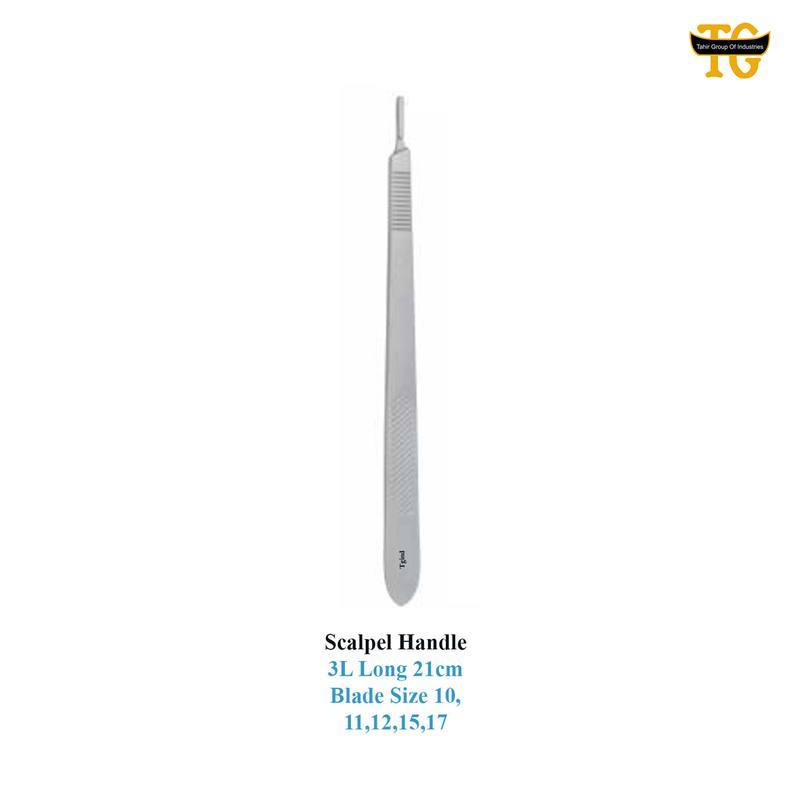
TGI's own catalog photograph of this article.
Scalpel Handle
The reusable handle that grips a disposable scalpel blade at a keyed slot near its tip, so the blade can be locked on, changed and removed without a hand touching its cutting edge: the handle itself carries no cutting edge.
MOQ 300 instruments
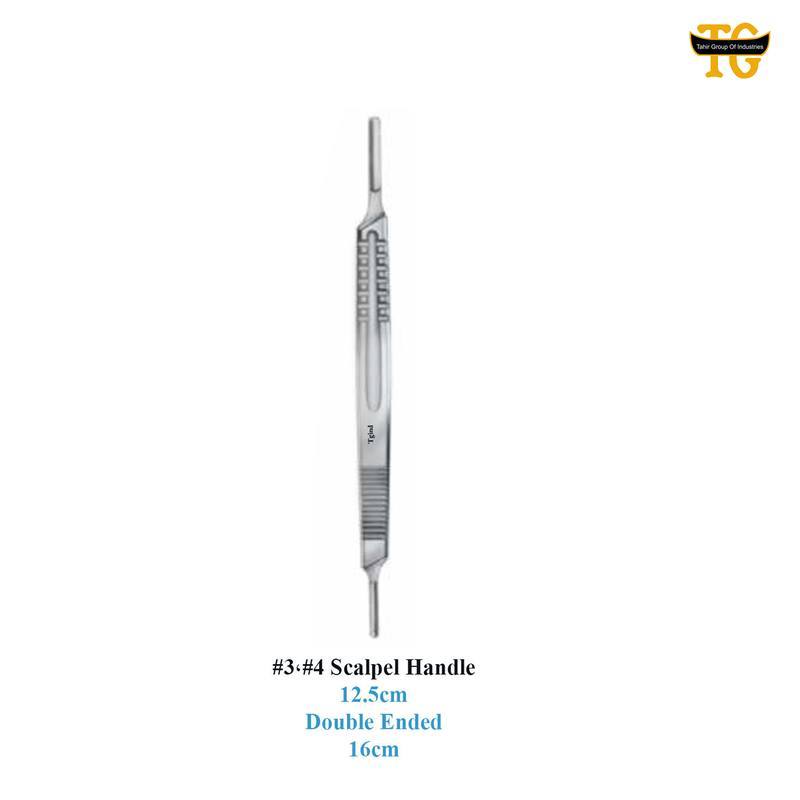
No. 3,No. 4 Scalpel Handle
The reusable handle that grips a disposable scalpel blade at a keyed slot near its tip, so the blade can be locked on, changed and removed without a hand touching its cutting edge: the handle itself carries no cutting edge.
MOQ 300 instruments
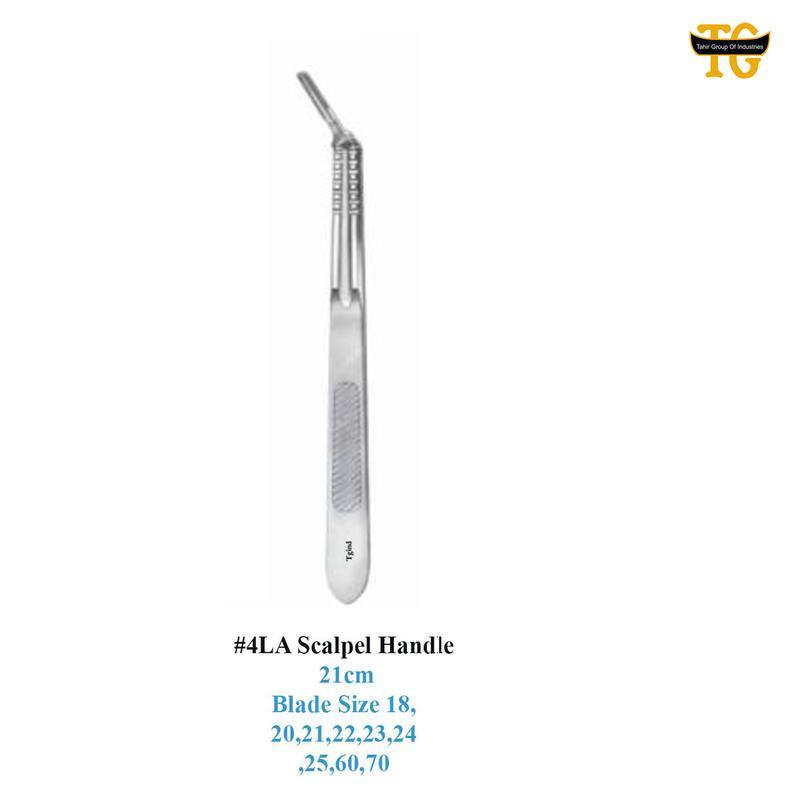
No. 4LA Scalpel Handle
The reusable handle that grips a disposable scalpel blade at a keyed slot near its tip, so the blade can be locked on, changed and removed without a hand touching its cutting edge: the handle itself carries no cutting edge.
MOQ 300 instruments
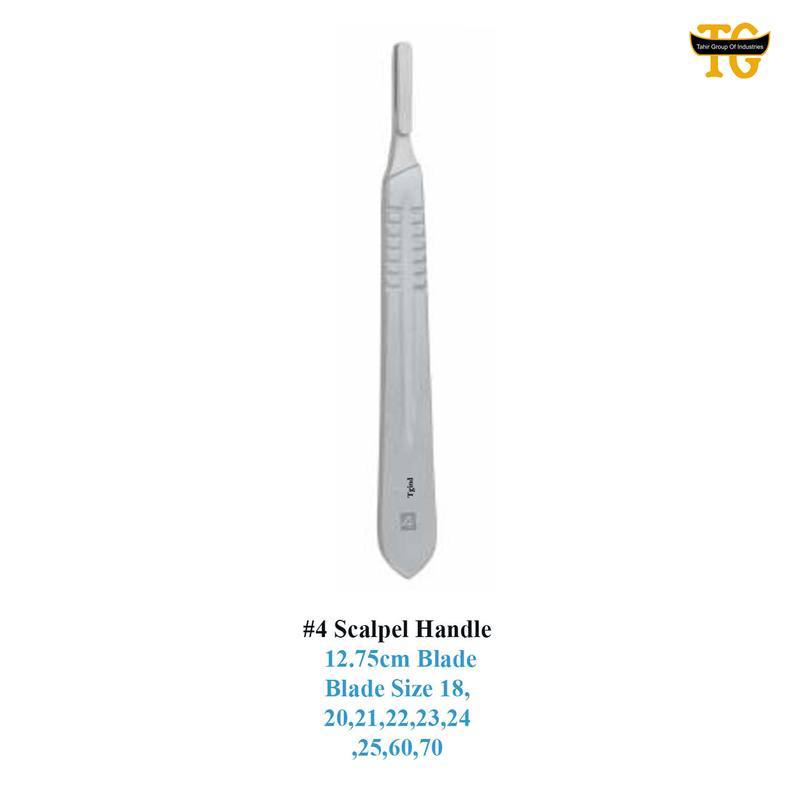
TGI's own catalog photograph of this article.
No. 4 Scalpel Handle
The reusable handle that grips a disposable scalpel blade at a keyed slot near its tip, so the blade can be locked on, changed and removed without a hand touching its cutting edge: the handle itself carries no cutting edge.
MOQ 300 instruments
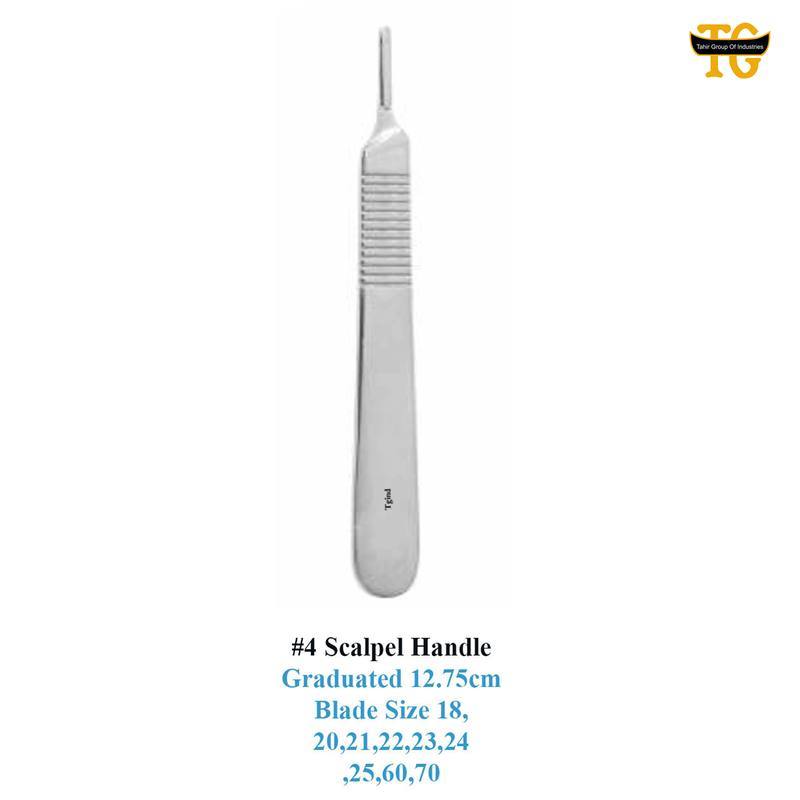
TGI's own catalog photograph of this article.
No. 4 Scalpel Handle
The reusable handle that grips a disposable scalpel blade at a keyed slot near its tip, so the blade can be locked on, changed and removed without a hand touching its cutting edge: the handle itself carries no cutting edge.
MOQ 300 instruments
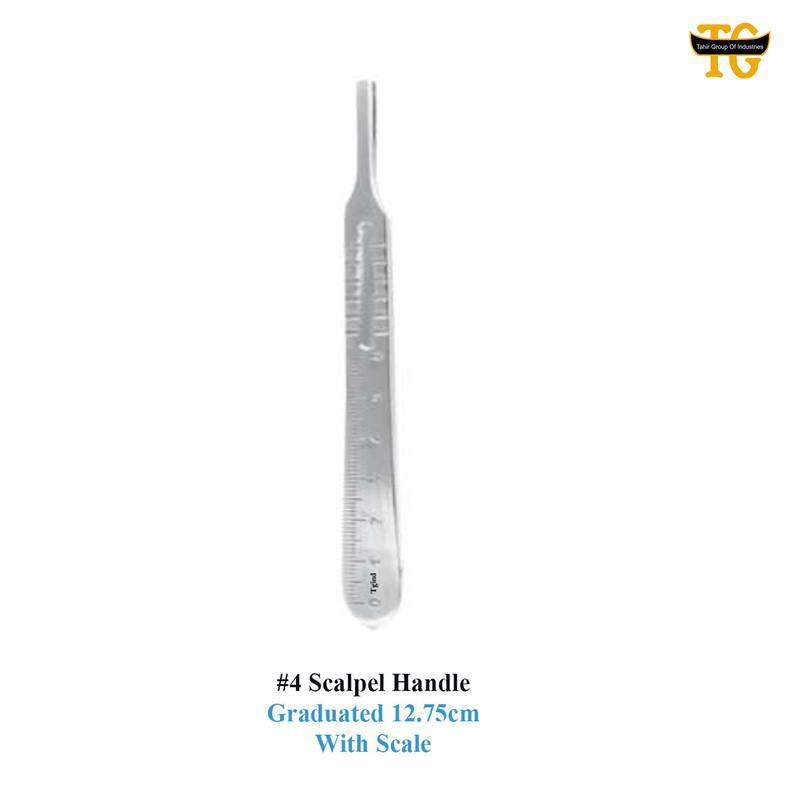
TGI's own catalog photograph of this article.
No. 4 Scalpel Handle
The reusable handle that grips a disposable scalpel blade at a keyed slot near its tip, so the blade can be locked on, changed and removed without a hand touching its cutting edge: the handle itself carries no cutting edge.
MOQ 300 instruments
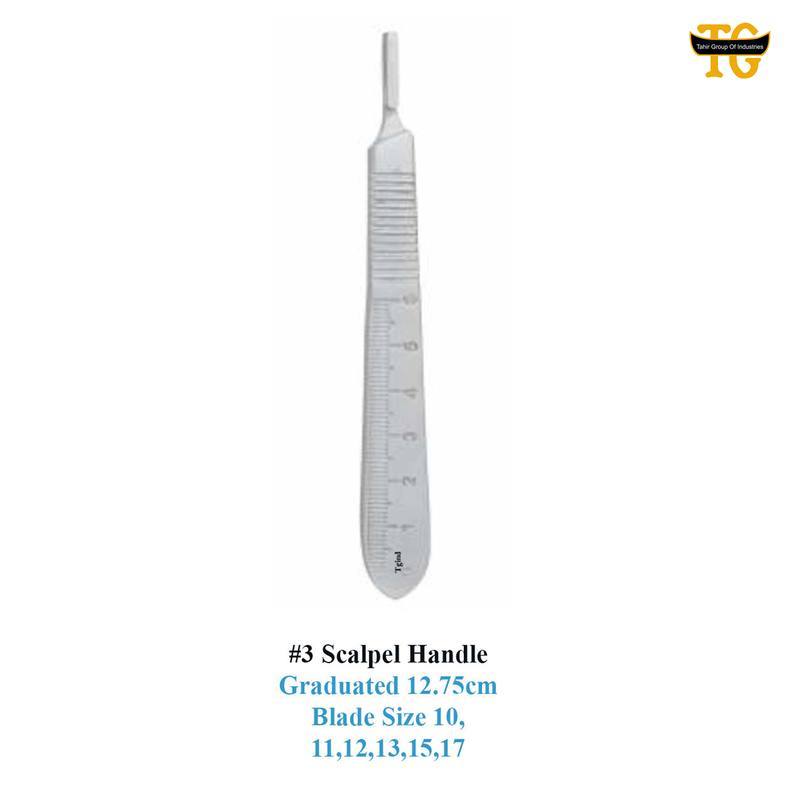
TGI's own catalog photograph of this article.
No. 3 Scalpel Handle
The reusable handle that grips a disposable scalpel blade at a keyed slot near its tip, so the blade can be locked on, changed and removed without a hand touching its cutting edge: the handle itself carries no cutting edge.
MOQ 300 instruments
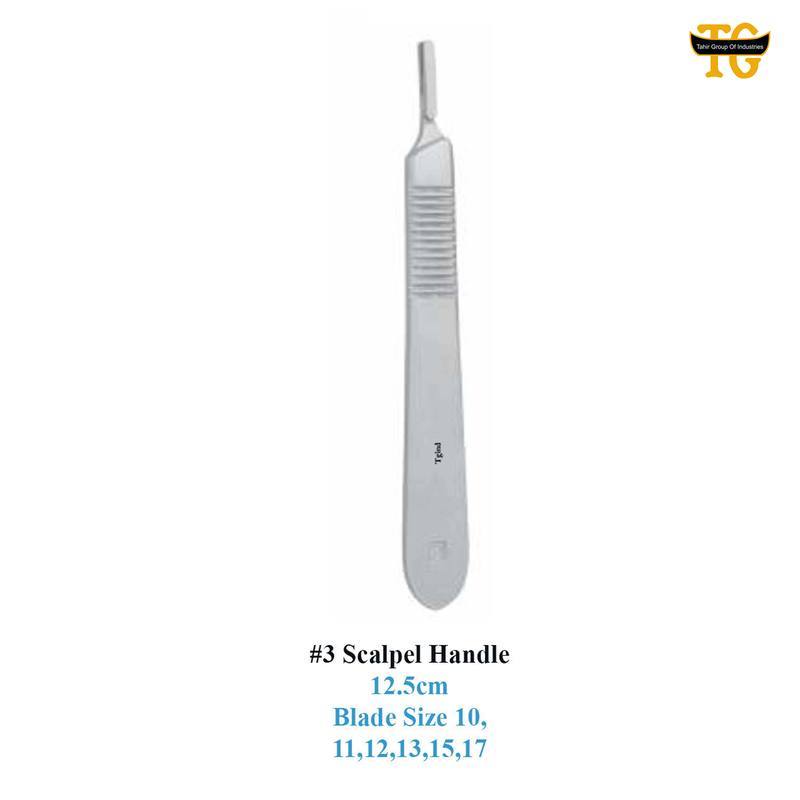
TGI's own catalog photograph of this article.
No. 3 Scalpel Handle
The reusable handle that grips a disposable scalpel blade at a keyed slot near its tip, so the blade can be locked on, changed and removed without a hand touching its cutting edge: the handle itself carries no cutting edge.
MOQ 300 instruments
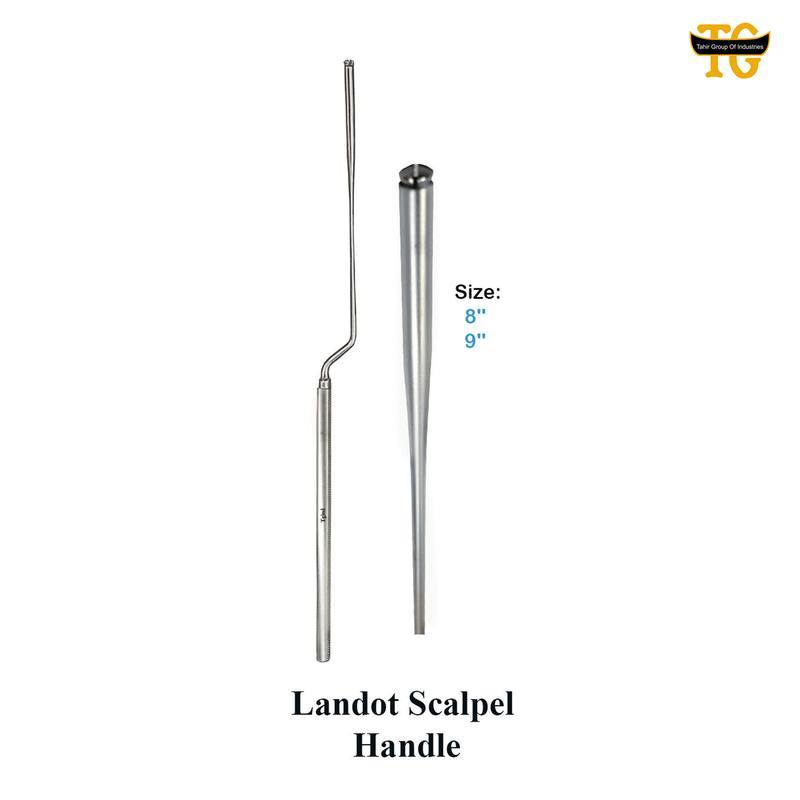
TGI's own catalog photograph of this article.
Landot Scalpel Handle
A surgical knife handle, also called a scalpel handle or B-P (Bard-Parker) handle, is the reusable steel grip that a separate, single-use blade clicks onto: the handle itself carries no cutting edge.
MOQ 300 instruments
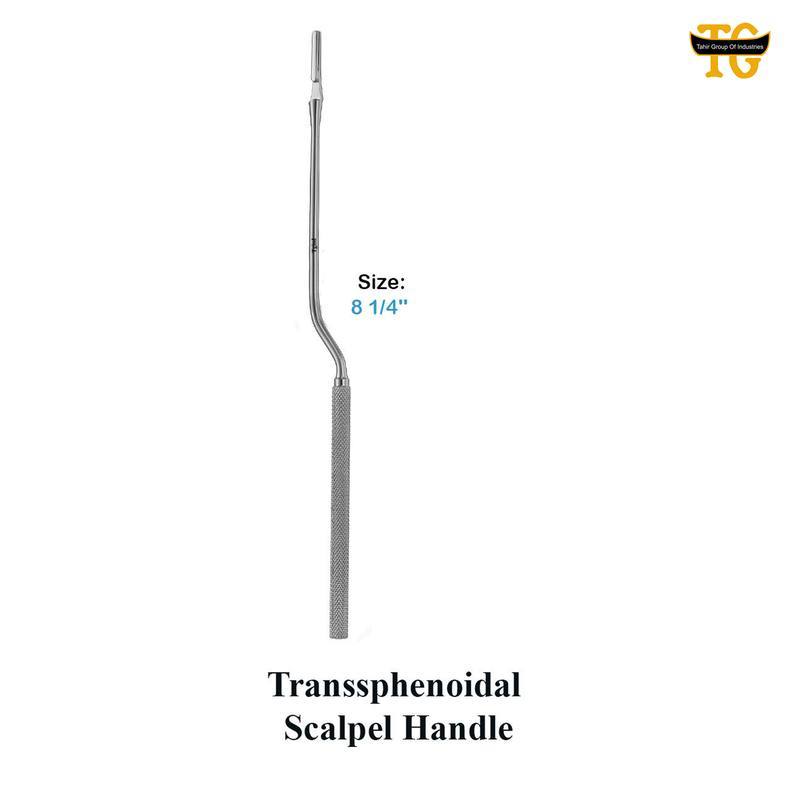
Transsphenoidal Scalpel Handle
A surgical knife handle, also called a scalpel handle or B-P (Bard-Parker) handle, is the reusable steel grip that a separate, single-use blade clicks onto: the handle itself carries no cutting edge.
MOQ 300 instruments
TGI's own catalog photograph of this article.
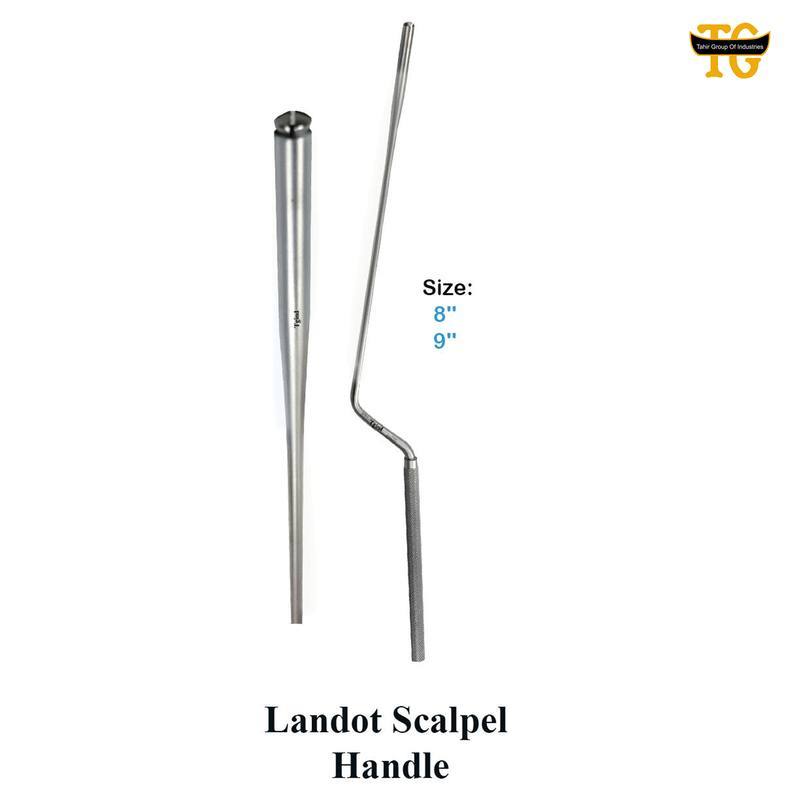
Landot Scalpel Handle
A surgical knife handle, also called a scalpel handle or B-P (Bard-Parker) handle, is the reusable steel grip that a separate, single-use blade clicks onto: the handle itself carries no cutting edge.
MOQ 300 instruments
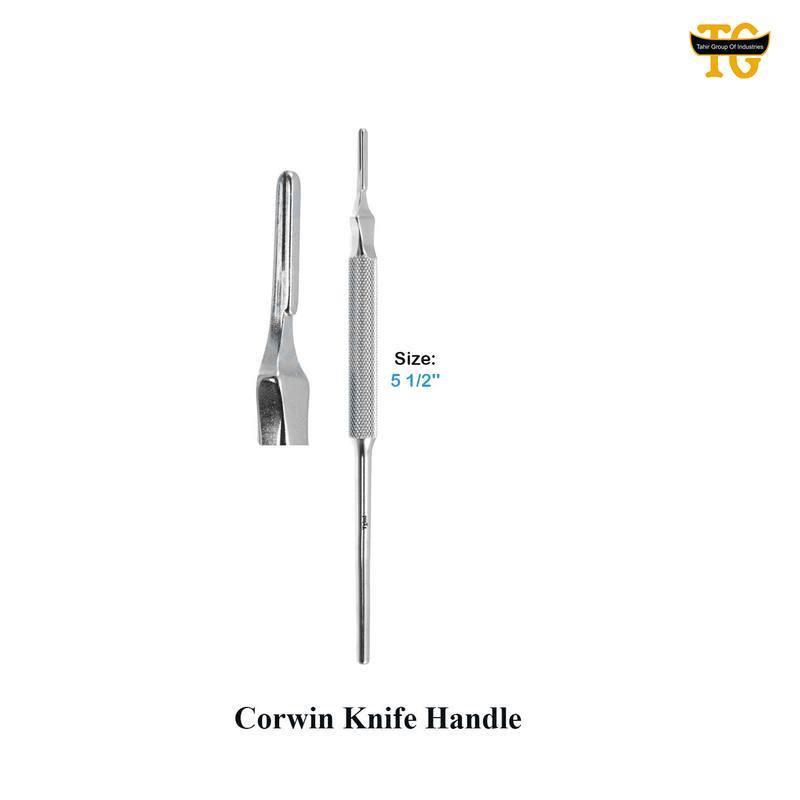
Corwin Knife Handle
A surgical knife handle, also called a scalpel handle or B-P (Bard-Parker) handle, is the reusable steel grip that a separate, single-use blade clicks onto: the handle itself carries no cutting edge.
MOQ 300 instruments
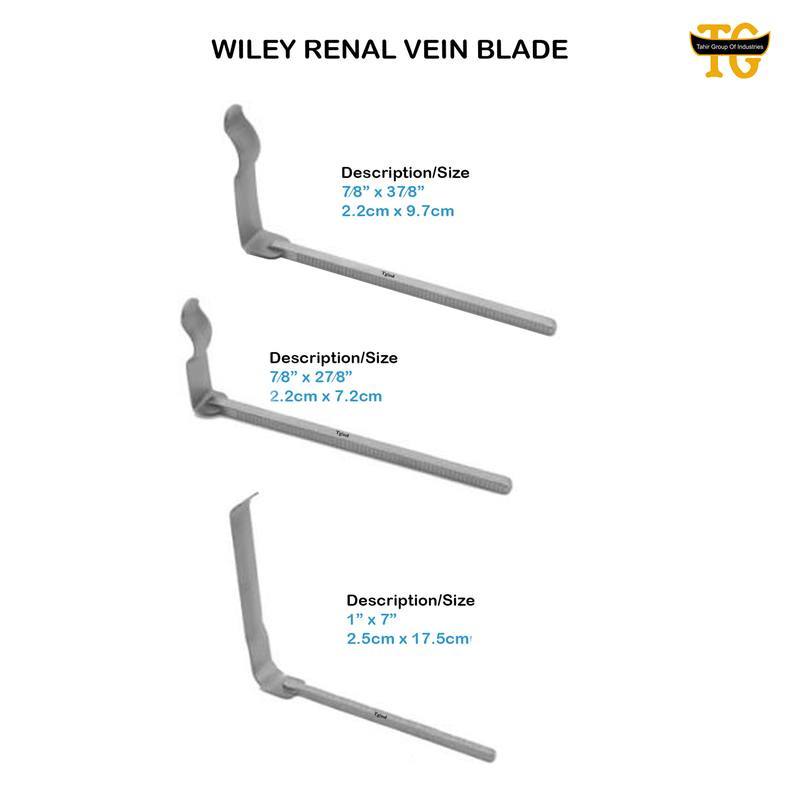
WILEY RENAL VEIN BLADE
In a surgical catalog a blade is a working part rather than a complete instrument, and the word covers two unrelated families.
MOQ 300 instruments
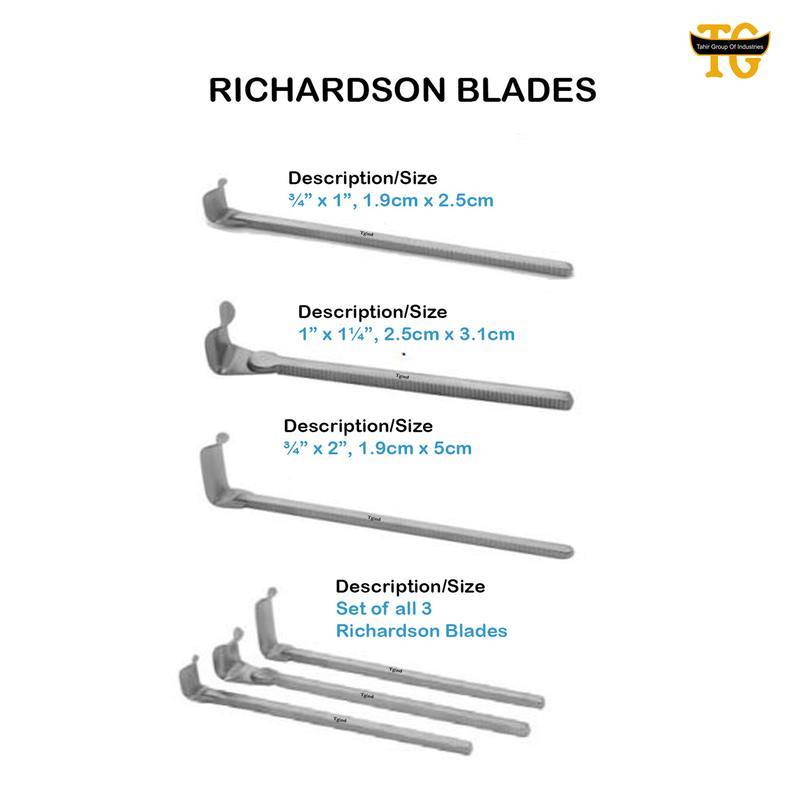
Richardson Blades
In a surgical catalog a blade is a working part rather than a complete instrument, and the word covers two unrelated families.
MOQ 300 instruments
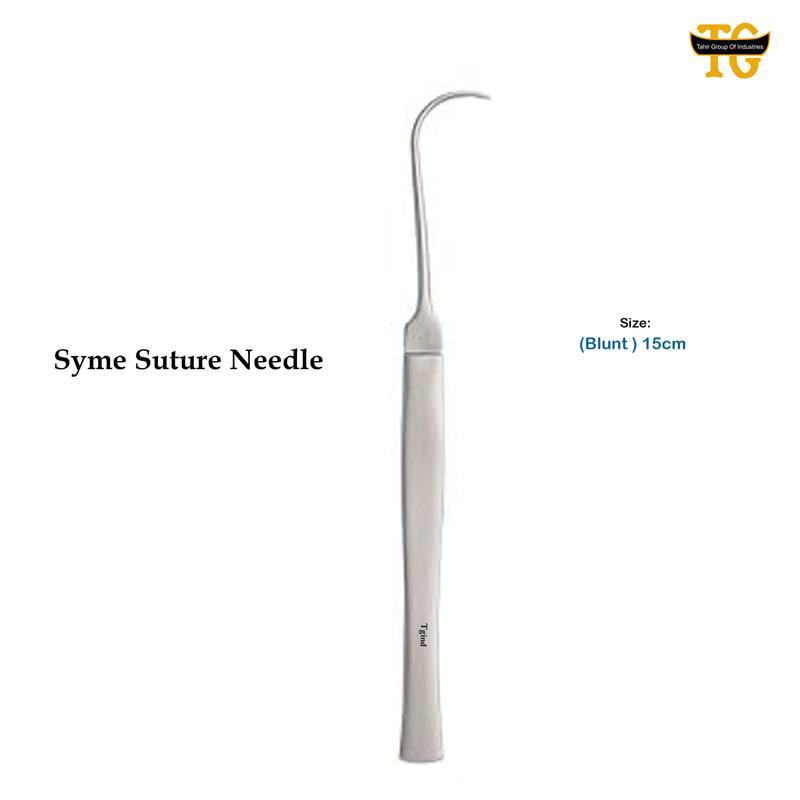
Syme Suture Needle
The needle sold under this heading is a Syme-pattern ligature needle, also cataloged as an aneurysm needle: a curved, blunt-tipped needle mounted on a flat handle, used to pass a ligature or suture by hand around a blood vessel or other deep structure rather than to stitch tissue edges together.
MOQ 300 instruments
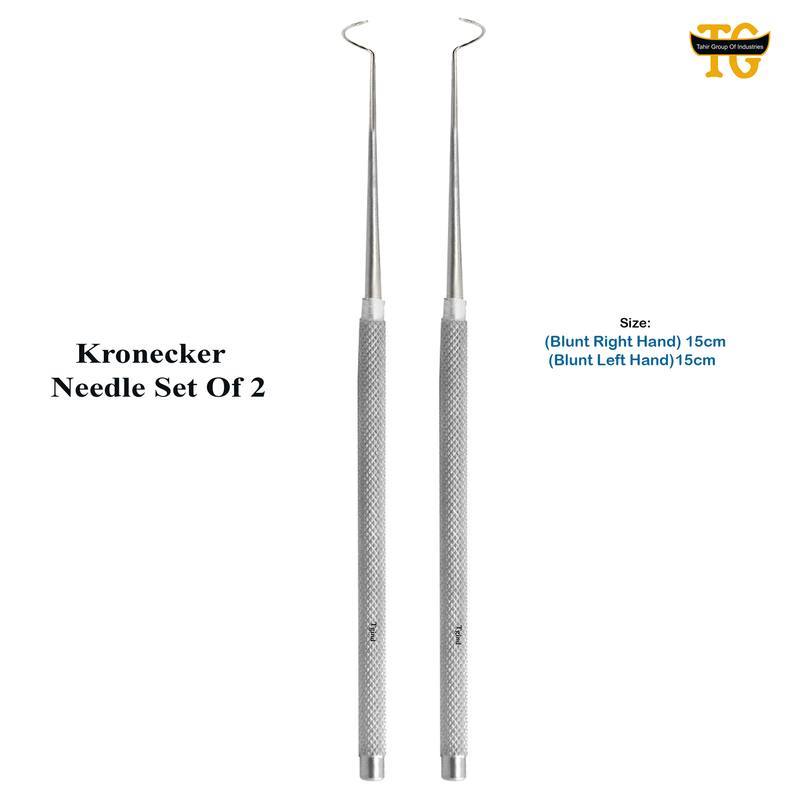
Kronecker Needle Set Of 2
A ligature needle is a curved, needle-shaped instrument fixed to a handle at one end with an eye near the other, built to carry a strand of ligature material around a vessel, pedicle or duct in one pass rather than by dissecting all the way round it.
MOQ 300 instruments
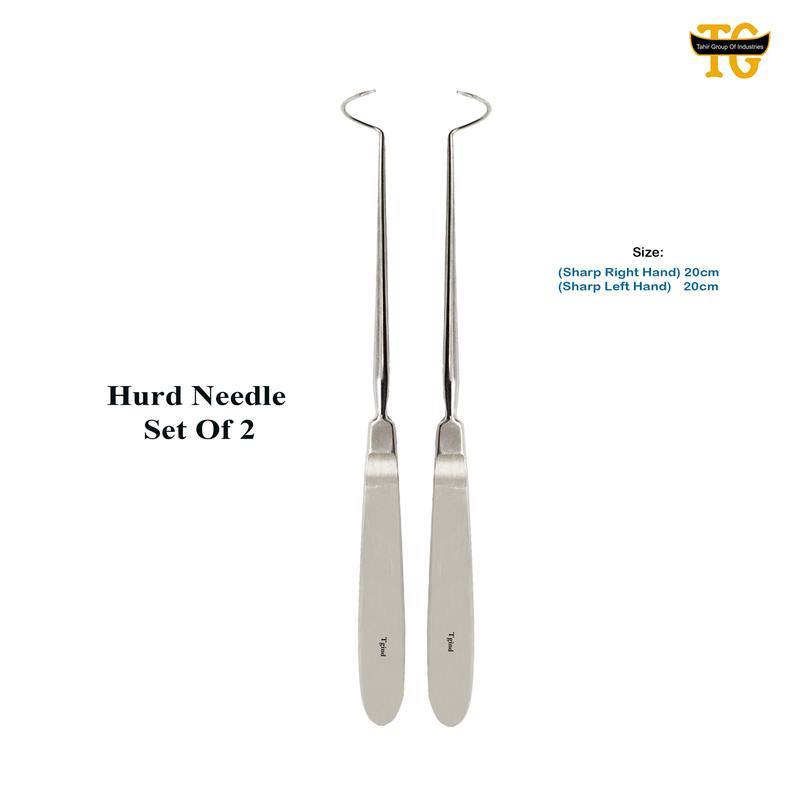
Hurd Needle Set Of 2
'Needle set' is the trade name for a boxed or cased group of reusable, eyed hand-suturing needles sold together as one item, rather than a single needle sold on its own.
MOQ 300 instruments
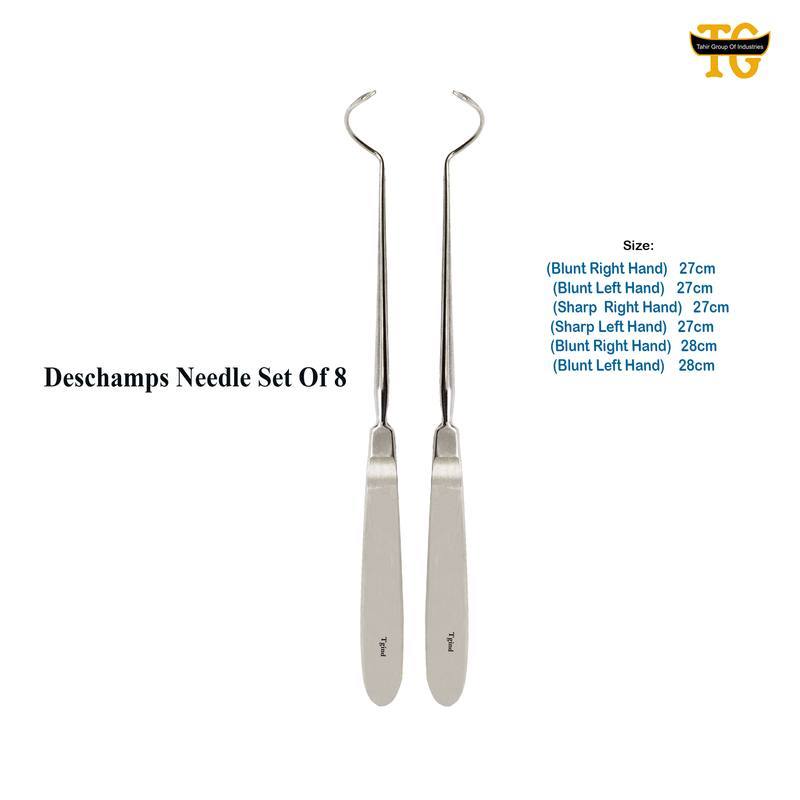
Deschamps Needle Set Of 8
A ligature needle is a curved, needle-shaped instrument fixed to a handle at one end with an eye near the other, built to carry a strand of ligature material around a vessel, pedicle or duct in one pass rather than by dissecting all the way round it.
MOQ 300 instruments
More surgical instruments
- All surgical instruments
- Needle holders (52)
- Scissors (85)
- Vascular clamps (132)
- Suction tubes (67)
- Rectal specula and proctology (23)
- Self-retaining retractors (84)
- Hand-held retractors (115)
- Hooks, probes and directors (83)
- Minimally invasive and VATS (15)
- Intestinal and stomach clamps (77)
- Hemostatic forceps (55)
- Tissue and dressing forceps (83)
- Saws, spatulas and other instruments (14)
Tell us what you need. We answer with a written offer.
A person reads every inquiry and answers the same working day.
Surgical instruments
All surgical instruments