
All intestinal and stomach clamps
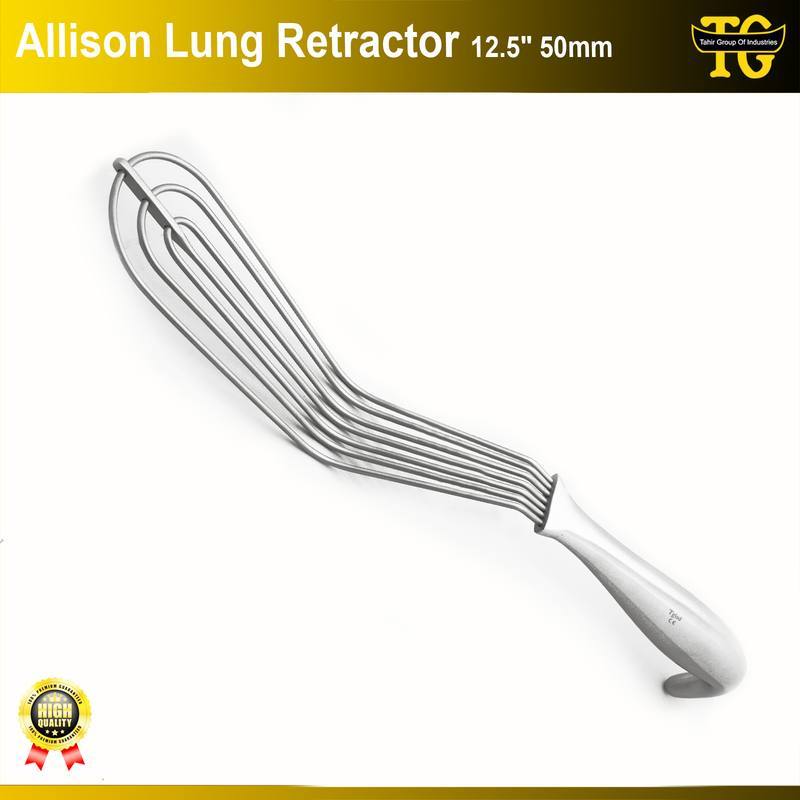
Allison Lung Spatula
A surgical spatula is a flat, blunt-edged blade on a handle, built as a simple hand-held retractor to separate and hold back an organ or a fold of tissue out of the operative field.
MOQ 300 instruments
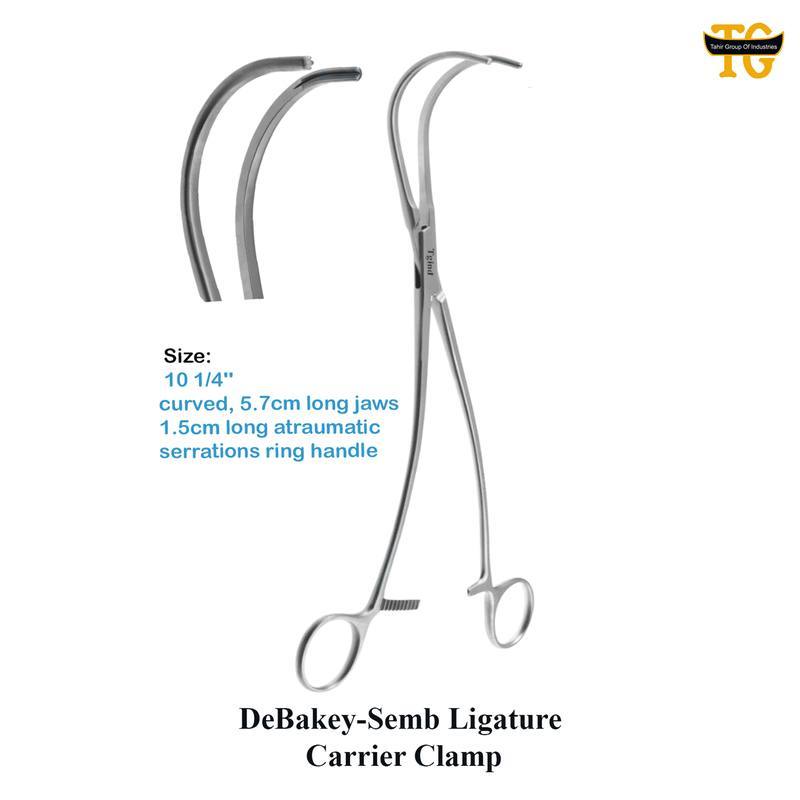
Debakey Semb Clamp
Lung grasping forceps is a long, ring-handled grasping instrument with a wide, ring-shaped or triangular jaw rather than a narrow point, spreading the gripping surface over a broad area instead of concentrating it at a tip.
MOQ 300 instruments

Intraocular Foreign Body Forceps
Foreign body forceps, also cataloged as splinter forceps, are fine, straight forceps built to pick up a small object - a splinter, a fragment, a foreign body in skin, wound, ear or eye - rather than to grasp or hold tissue.
MOQ 300 instruments
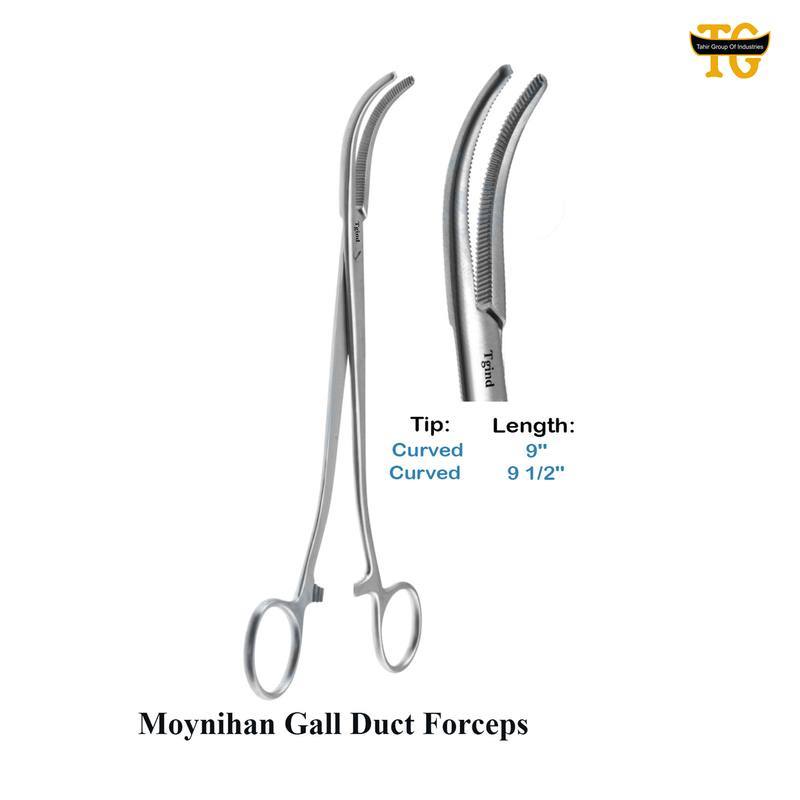
Moynihan Gall Duct Forceps
A ring-handled forceps for exploring the bile duct and grasping stones inside it.
MOQ 300 instruments
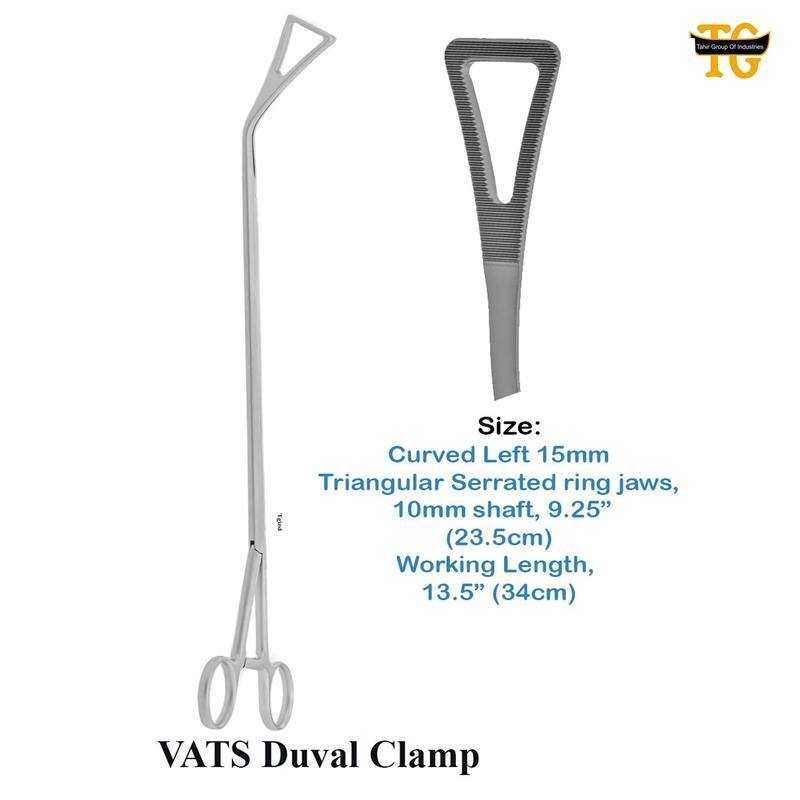
TGI's own catalog photograph of this article.
Vats Duval Clamp
Lung grasping forceps is a long, ring-handled grasping instrument with a wide, ring-shaped or triangular jaw rather than a narrow point, spreading the gripping surface over a broad area instead of concentrating it at a tip.
MOQ 300 instruments
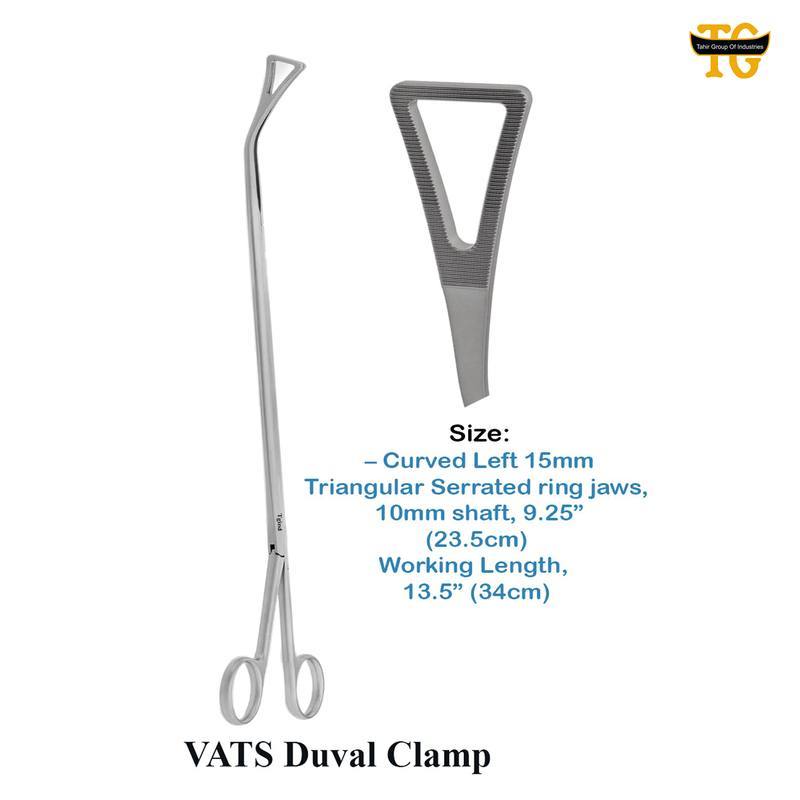
TGI's own catalog photograph of this article.
Vats Duval Clamp
Lung grasping forceps is a long, ring-handled grasping instrument with a wide, ring-shaped or triangular jaw rather than a narrow point, spreading the gripping surface over a broad area instead of concentrating it at a tip.
MOQ 300 instruments
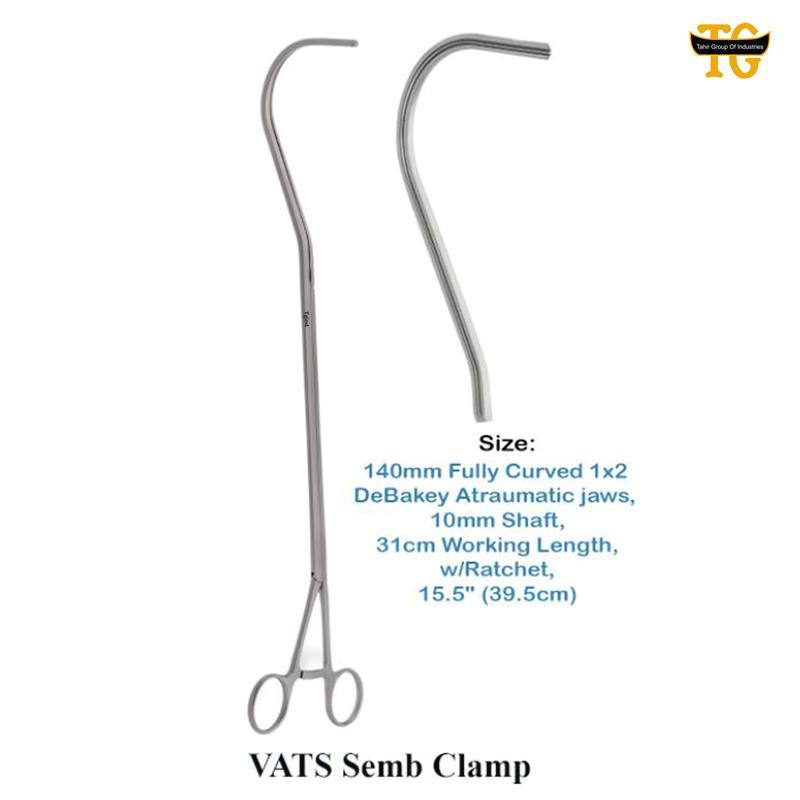
Vats Semb Clamp
Lung grasping forceps is a long, ring-handled grasping instrument with a wide, ring-shaped or triangular jaw rather than a narrow point, spreading the gripping surface over a broad area instead of concentrating it at a tip.
MOQ 300 instruments
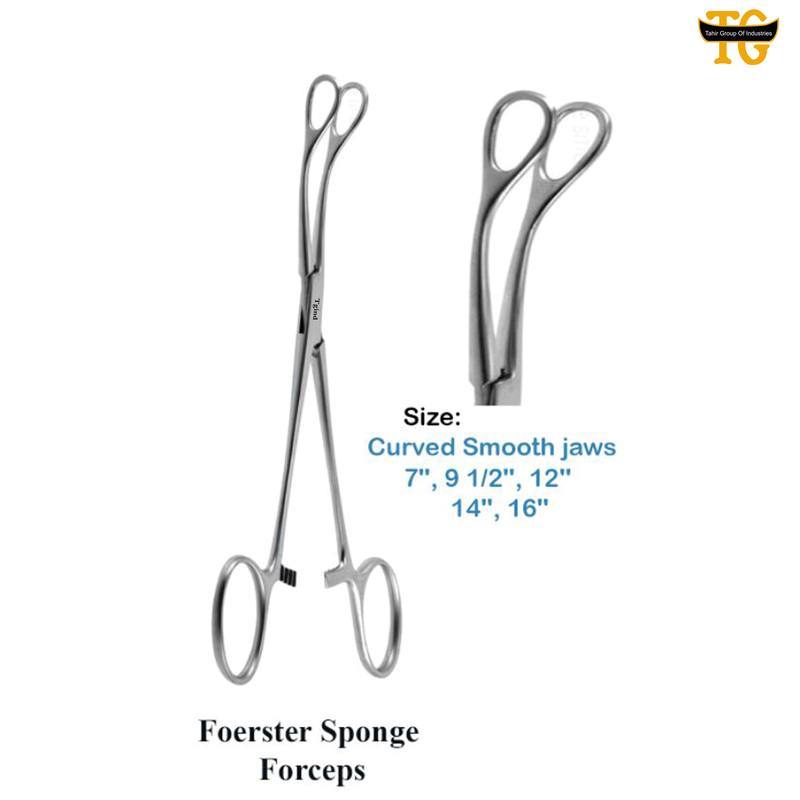
TGI's own catalog photograph of this article.
Foerster Sponge Forceps
Sponge holding forceps are a ring-handled forceps used to hold a folded swab or sponge for swabbing or dressing.
MOQ 300 instruments
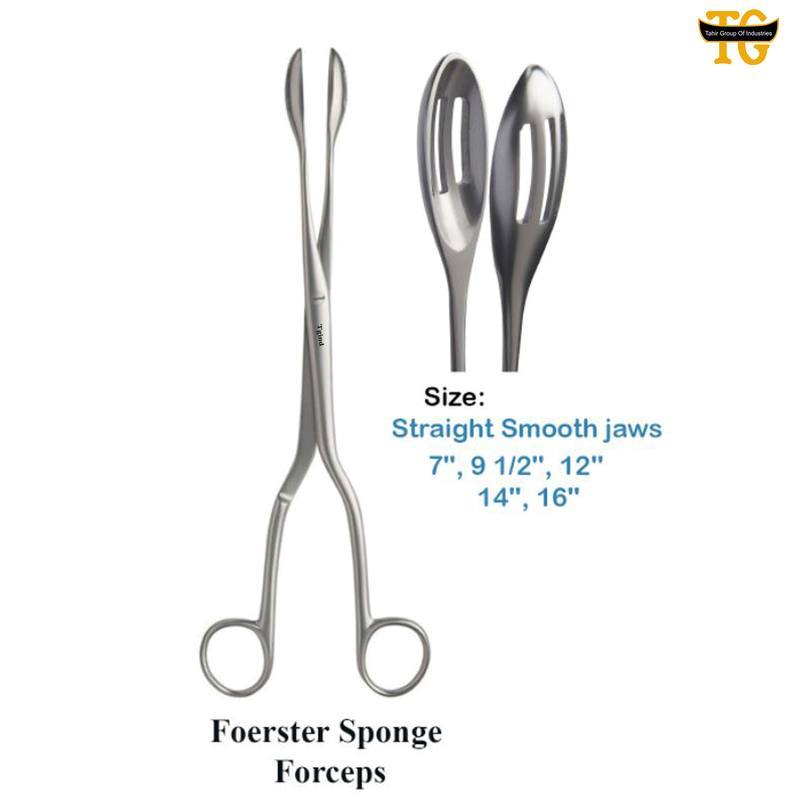
TGI's own catalog photograph of this article.
Foerster Sponge Forceps
Sponge holding forceps are a ring-handled forceps used to hold a folded swab or sponge for swabbing or dressing.
MOQ 300 instruments
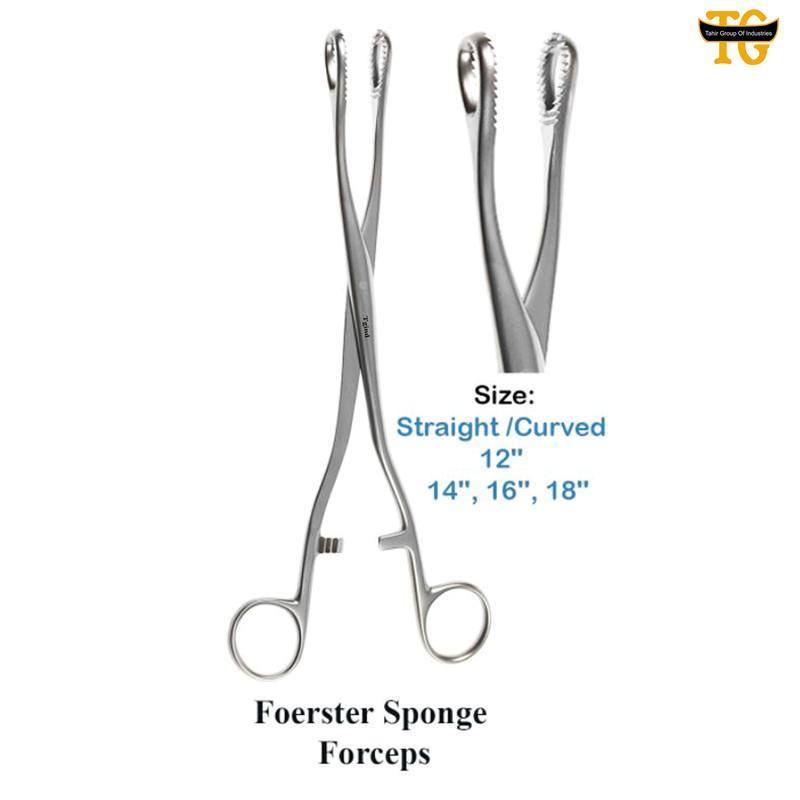
TGI's own catalog photograph of this article.
Foerster Sponge Forceps
Sponge holding forceps are a ring-handled forceps used to hold a folded swab or sponge for swabbing or dressing.
MOQ 300 instruments
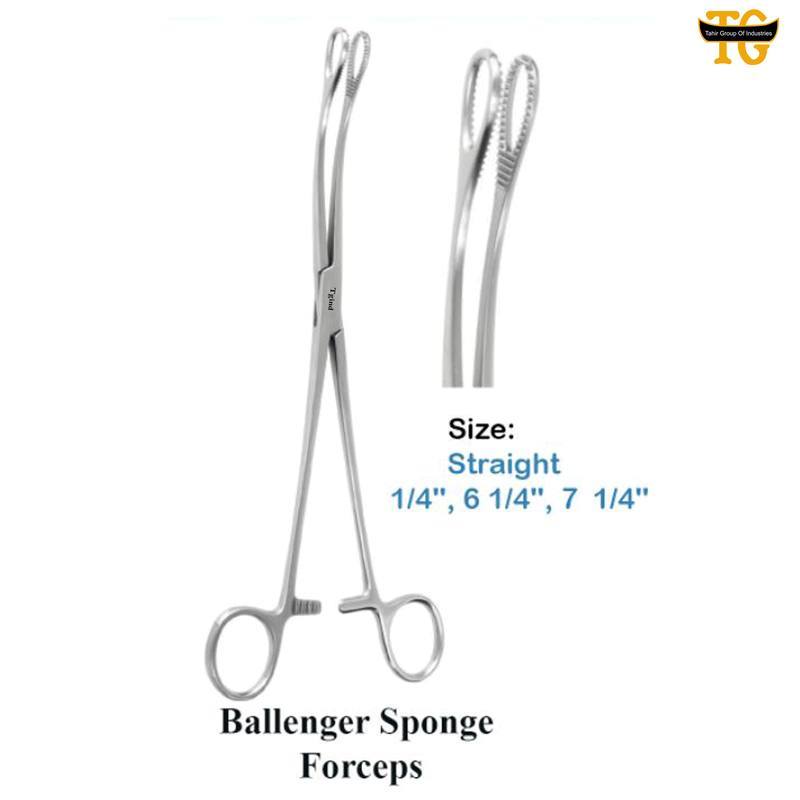
Ballenger Sponge Forceps
Sponge holding forceps are a ring-handled forceps used to hold a folded swab or sponge for swabbing or dressing.
MOQ 300 instruments
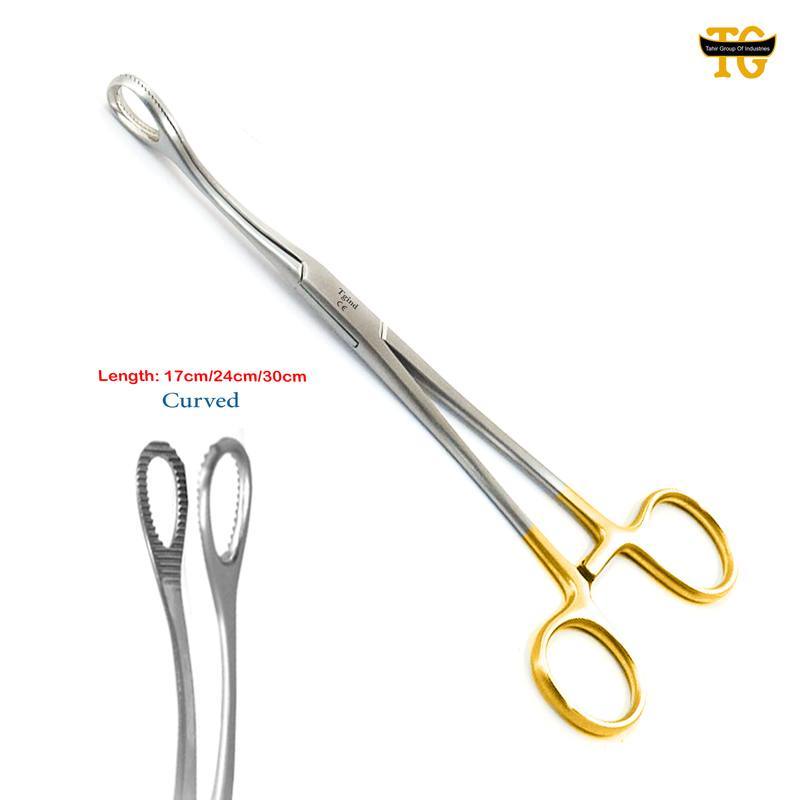
TGI's own catalog photograph of this article.
Forester Sponge Forceps
Sponge holding forceps are a ring-handled forceps used to hold a folded swab or sponge for swabbing or dressing.
MOQ 300 instruments
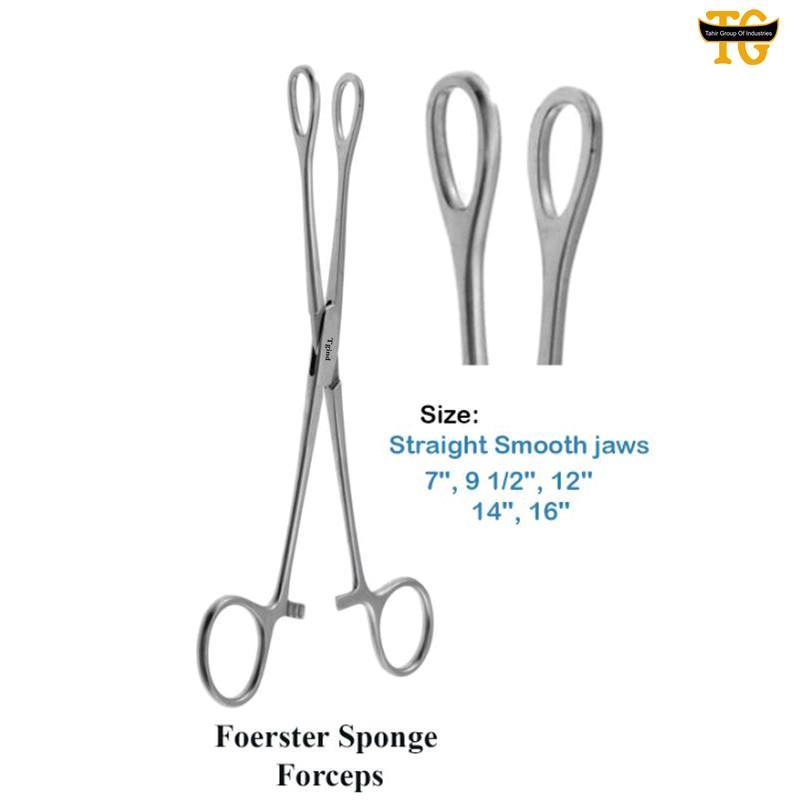
TGI's own catalog photograph of this article.
Foerster Sponge Forceps
Sponge holding forceps are a ring-handled forceps used to hold a folded swab or sponge for swabbing or dressing.
MOQ 300 instruments
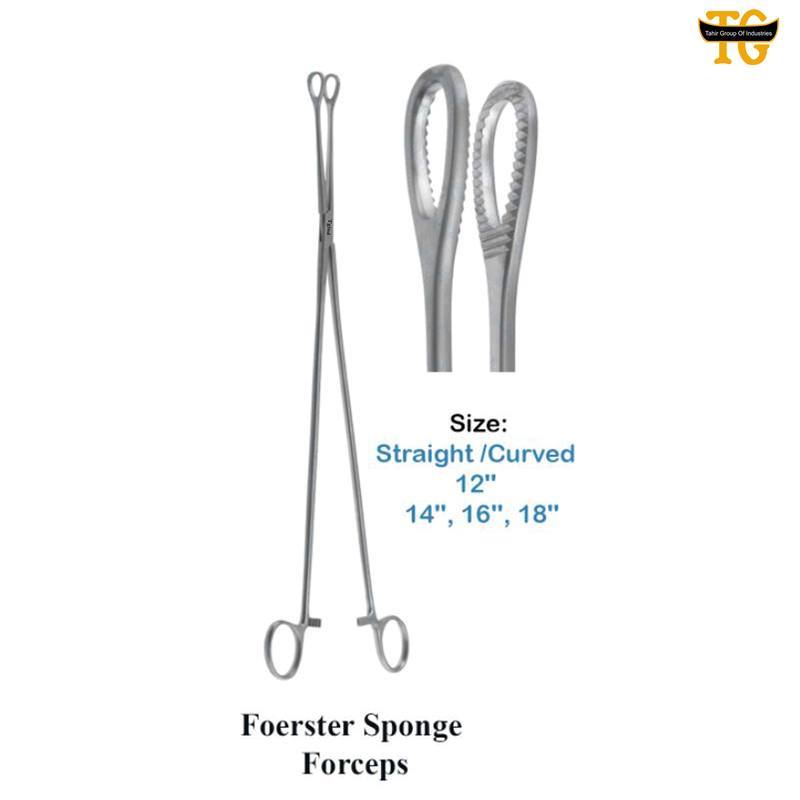
TGI's own catalog photograph of this article.
Foerster Sponge Forceps
Sponge holding forceps are a ring-handled forceps used to hold a folded swab or sponge for swabbing or dressing.
MOQ 300 instruments
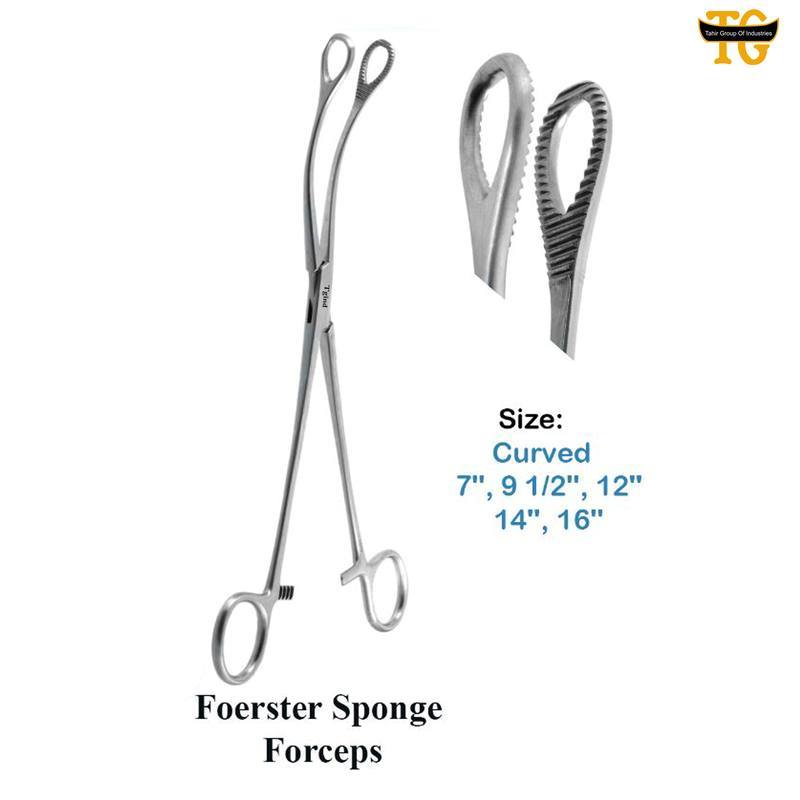
TGI's own catalog photograph of this article.
Foerster Sponge Forceps
Sponge holding forceps are a ring-handled forceps used to hold a folded swab or sponge for swabbing or dressing.
MOQ 300 instruments
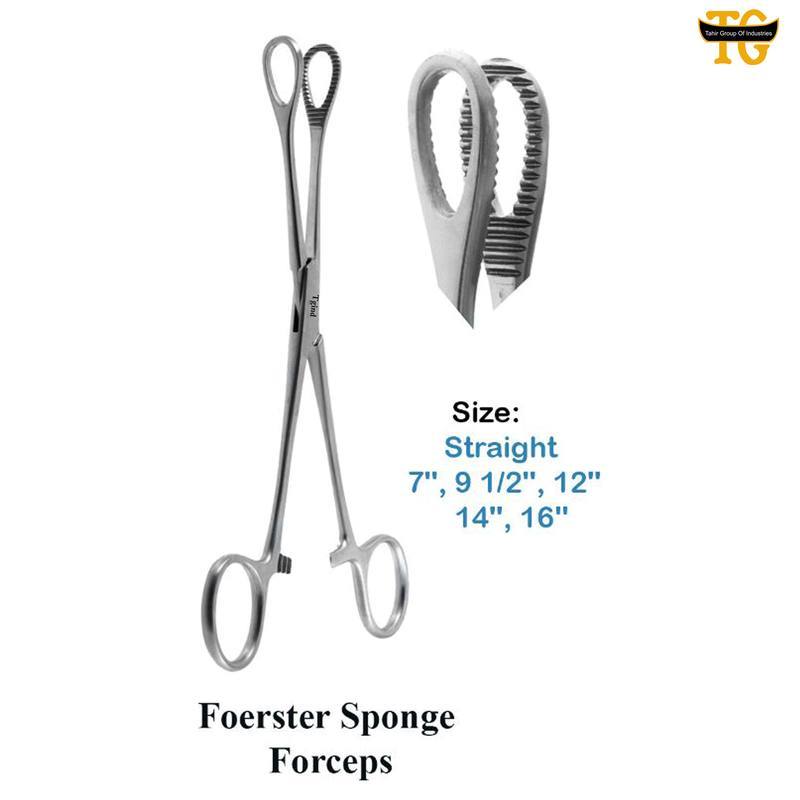
TGI's own catalog photograph of this article.
Foerster Sponge Forceps
Sponge holding forceps are a ring-handled forceps used to hold a folded swab or sponge for swabbing or dressing.
MOQ 300 instruments
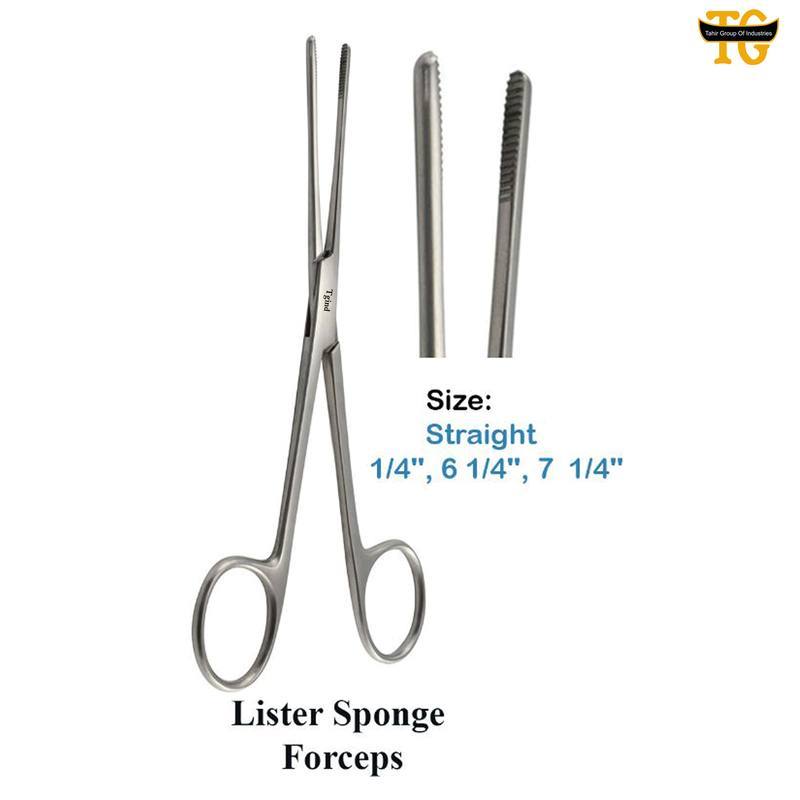
Lister Sponge Forceps
Sponge holding forceps are a ring-handled forceps used to hold a folded swab or sponge for swabbing or dressing.
MOQ 300 instruments
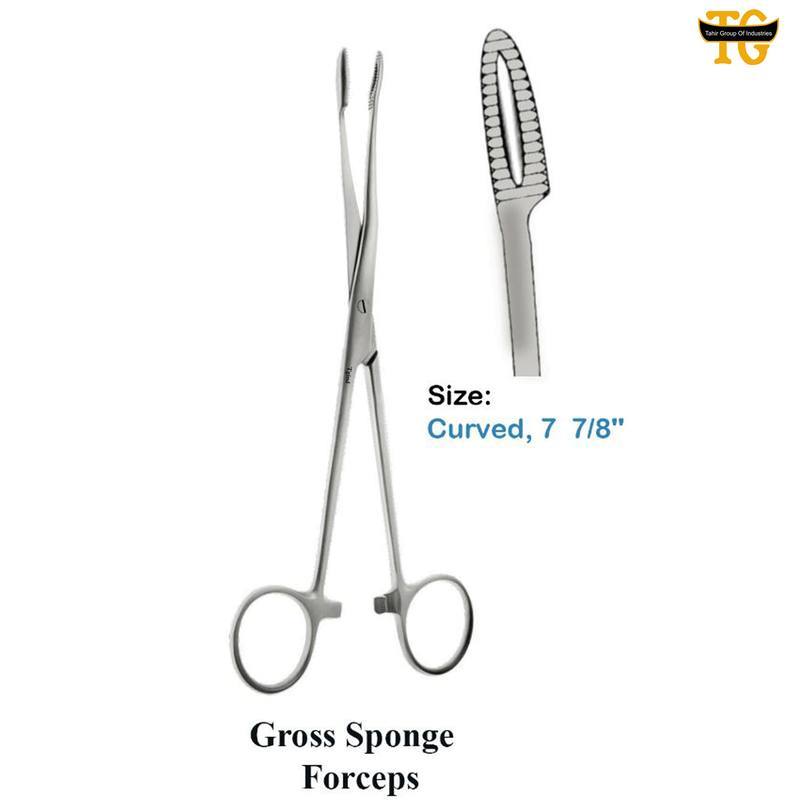
TGI's own catalog photograph of this article.
Gross Sponge Forceps
Sponge holding forceps are a ring-handled forceps used to hold a folded swab or sponge for swabbing or dressing.
MOQ 300 instruments
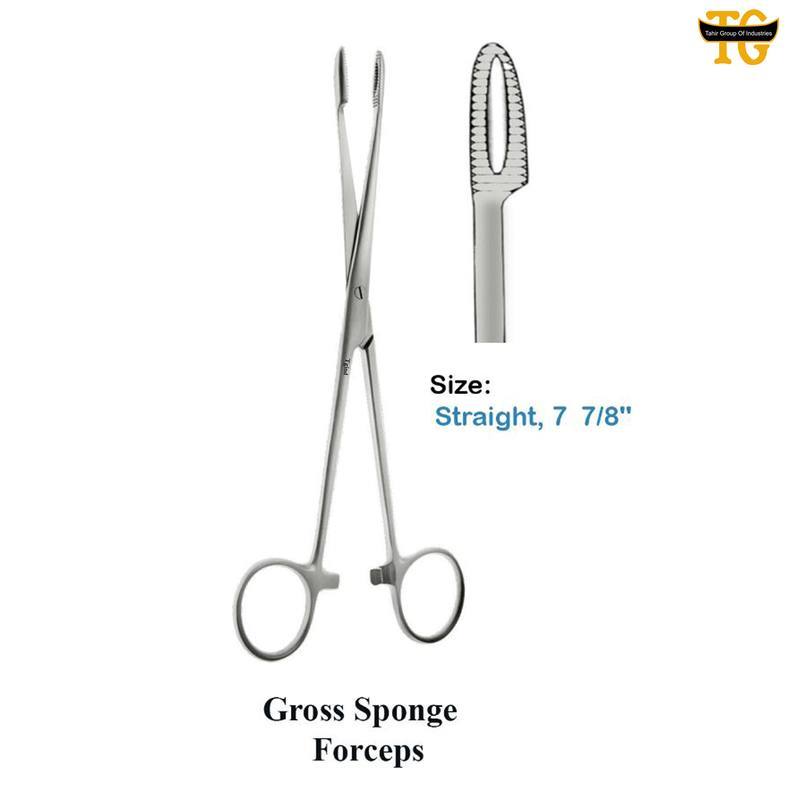
TGI's own catalog photograph of this article.
Gross Sponge Forceps
Sponge holding forceps are a ring-handled forceps used to hold a folded swab or sponge for swabbing or dressing.
MOQ 300 instruments
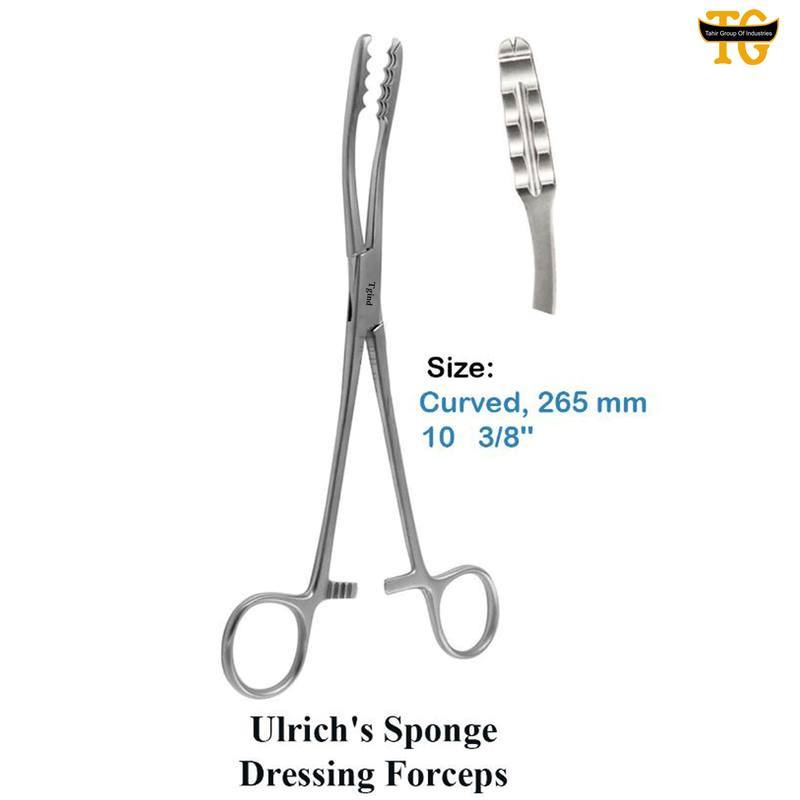
TGI's own catalog photograph of this article.
Ulrich's Sponge Dressing Forceps
Sponge holding forceps are a ring-handled forceps used to hold a folded swab or sponge for swabbing or dressing.
MOQ 300 instruments
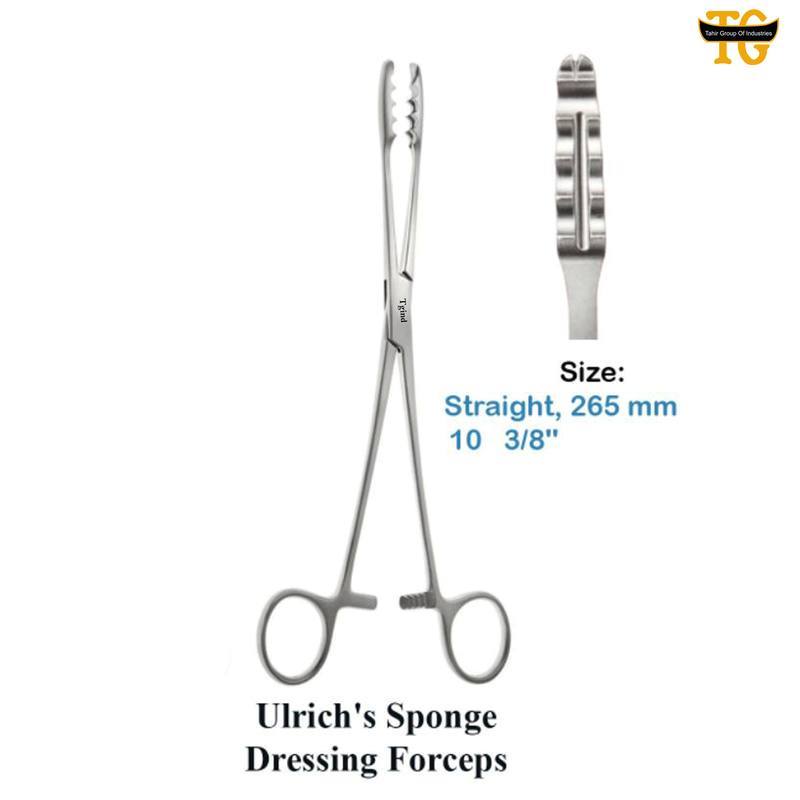
TGI's own catalog photograph of this article.
Ulrich's Sponge Dressing Forceps
Sponge holding forceps are a ring-handled forceps used to hold a folded swab or sponge for swabbing or dressing.
MOQ 300 instruments
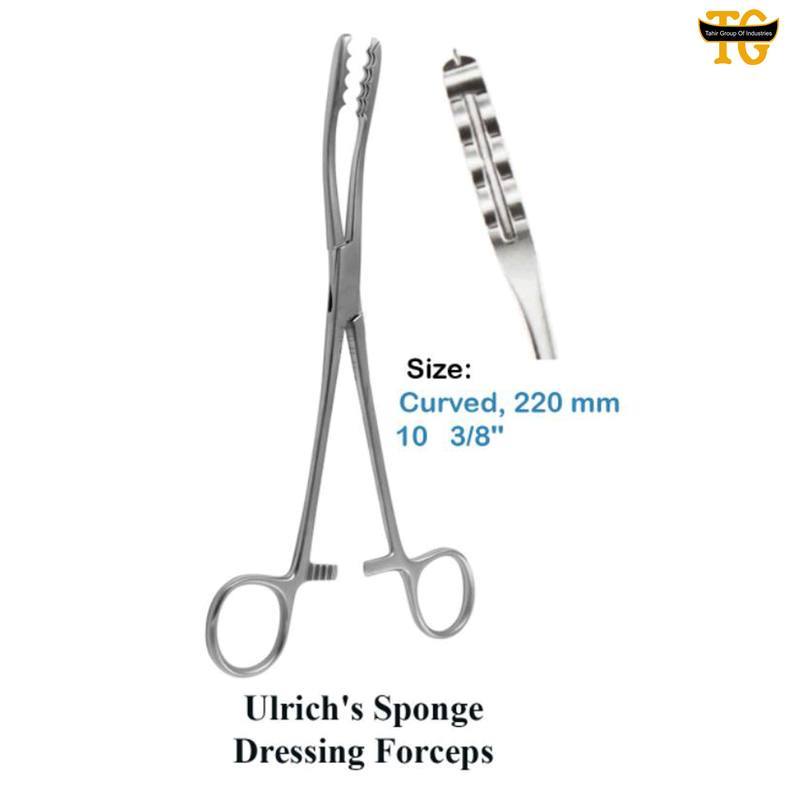
TGI's own catalog photograph of this article.
Ulrich's Sponge Dressing Forceps
Sponge holding forceps are a ring-handled forceps used to hold a folded swab or sponge for swabbing or dressing.
MOQ 300 instruments
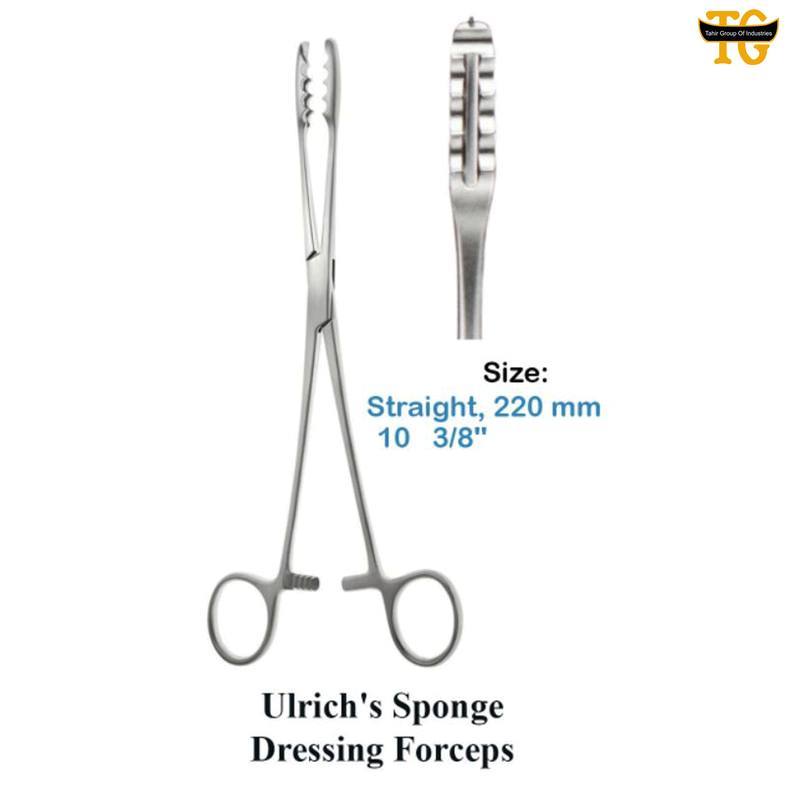
TGI's own catalog photograph of this article.
Ulrich's Sponge Dressing Forceps
Sponge holding forceps are a ring-handled forceps used to hold a folded swab or sponge for swabbing or dressing.
MOQ 300 instruments
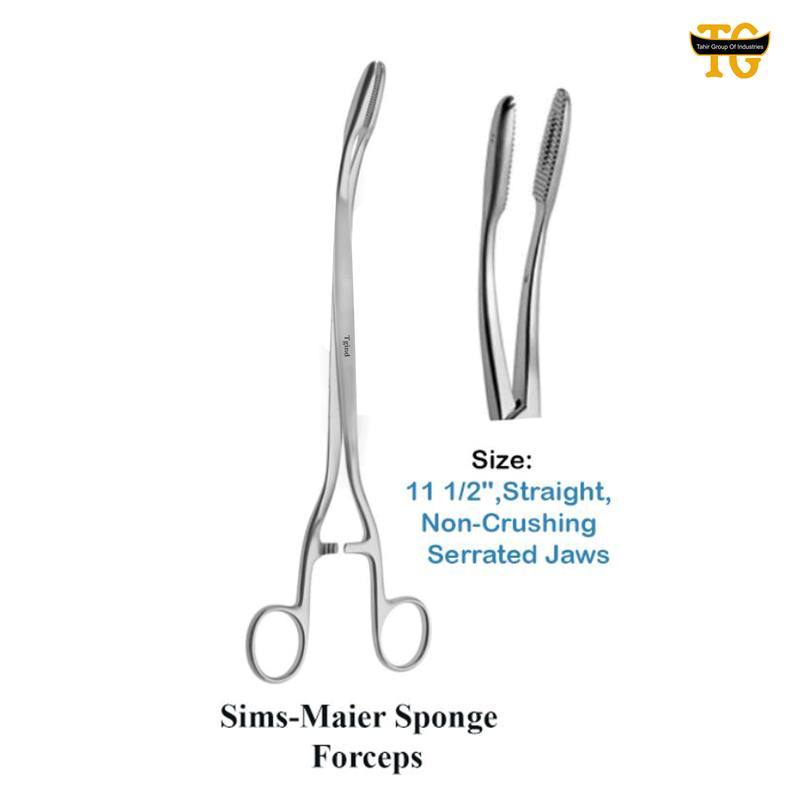
Sima Maier Sponge Forceps
Sponge holding forceps are a ring-handled forceps used to hold a folded swab or sponge for swabbing or dressing.
MOQ 300 instruments
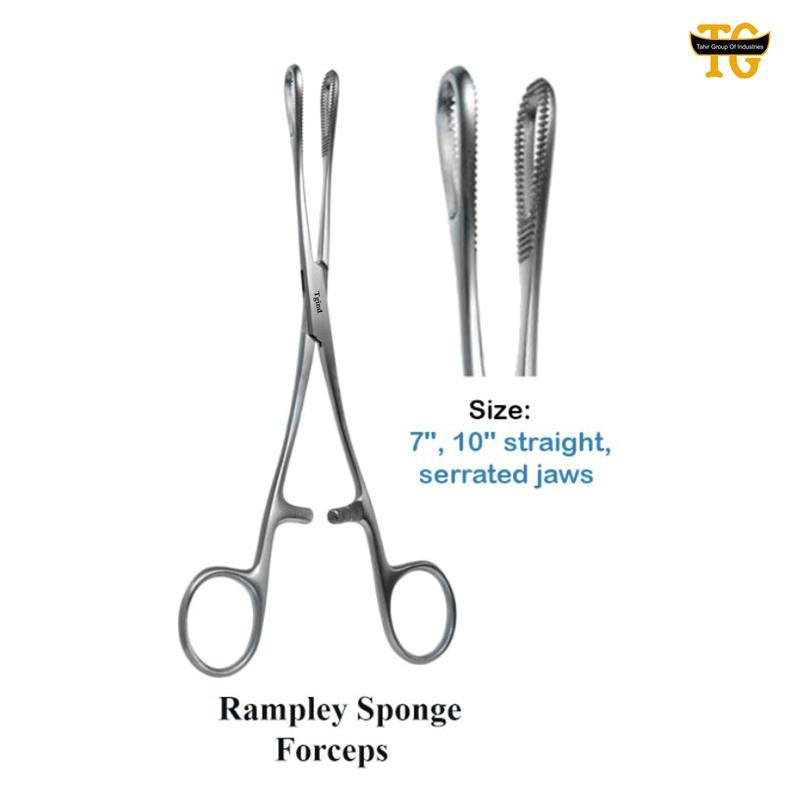
Rampley Sponge Forceps
Sponge holding forceps are a ring-handled forceps used to hold a folded swab or sponge for swabbing or dressing.
MOQ 300 instruments
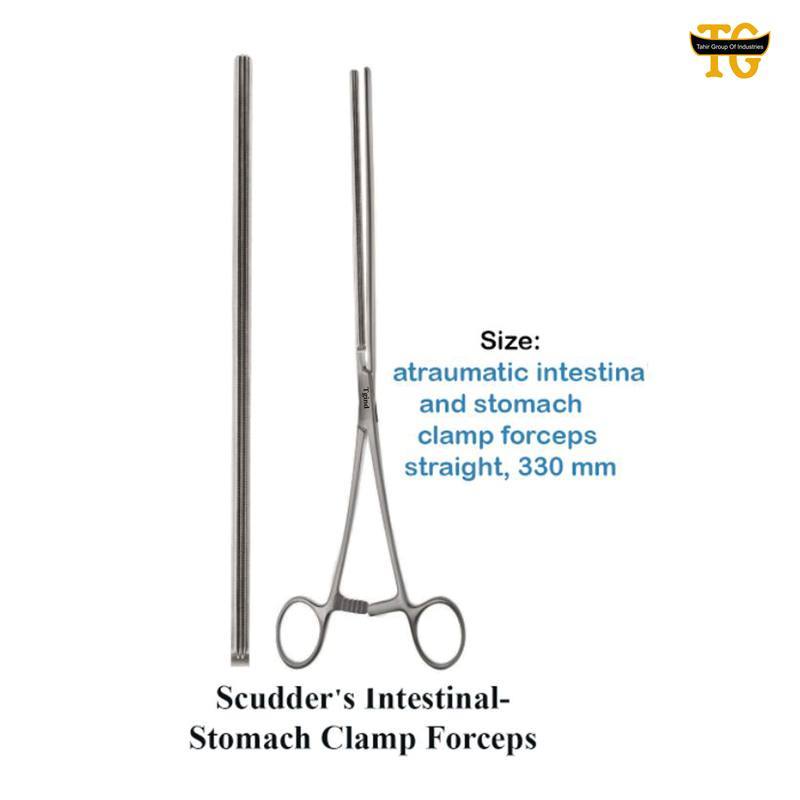
TGI's own catalog photograph of this article.
Scudder's Intestinal-Stomach Clamp Forceps
Stomach forceps is a catalog name for long, ratchet-handled clamping forceps used to hold the stomach or bowel wall without crushing it.
MOQ 300 instruments
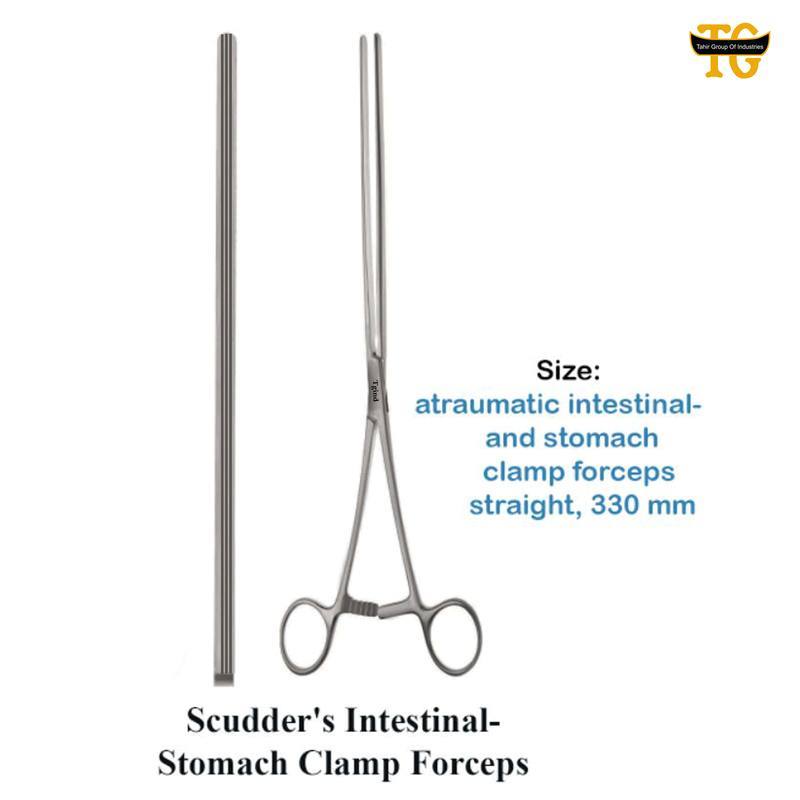
TGI's own catalog photograph of this article.
Scudder's Intestinal-Stomach Clamp Forceps
Stomach forceps is a catalog name for long, ratchet-handled clamping forceps used to hold the stomach or bowel wall without crushing it.
MOQ 300 instruments
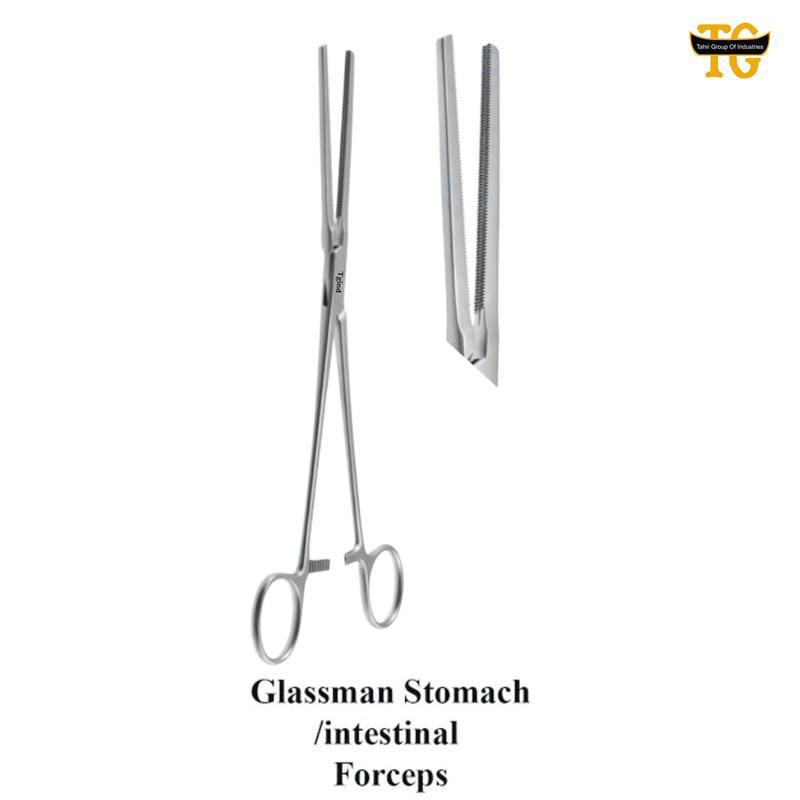
TGI's own catalog photograph of this article.
Glassman Stomach /intestinal Forceps
Stomach forceps is a catalog name for long, ratchet-handled clamping forceps used to hold the stomach or bowel wall without crushing it.
MOQ 300 instruments
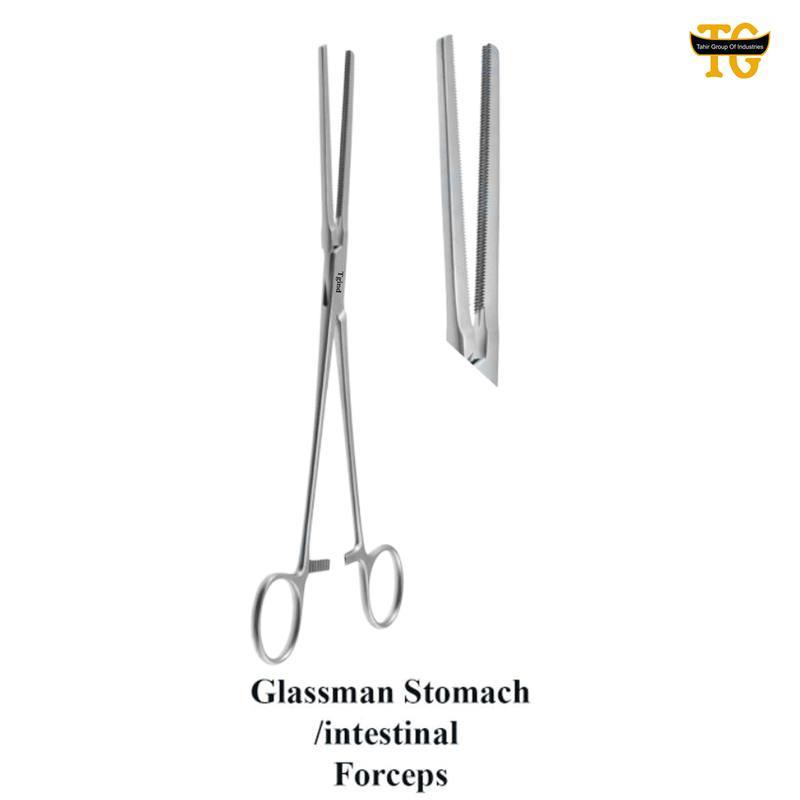
TGI's own catalog photograph of this article.
Glassman Stomach /intestinal Forceps
Stomach forceps is a catalog name for long, ratchet-handled clamping forceps used to hold the stomach or bowel wall without crushing it.
MOQ 300 instruments
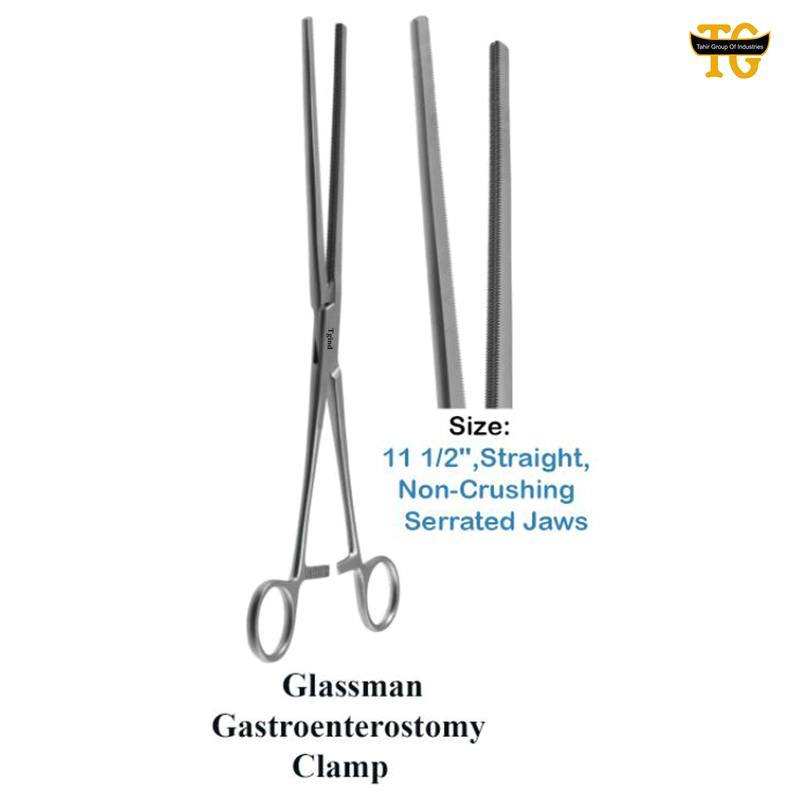
TGI's own catalog photograph of this article.
Glassman Gastroenterostomy Clamp
Intestinal forceps use the standard ring-handle construction (a box-lock joint and a ratchet that locks the jaws at a chosen bite), the same mechanism as an artery or tissue forceps, but built on a longer shaft with a jaw sized for holding bowel or stomach tissue rather than a blood vessel.
MOQ 300 instruments
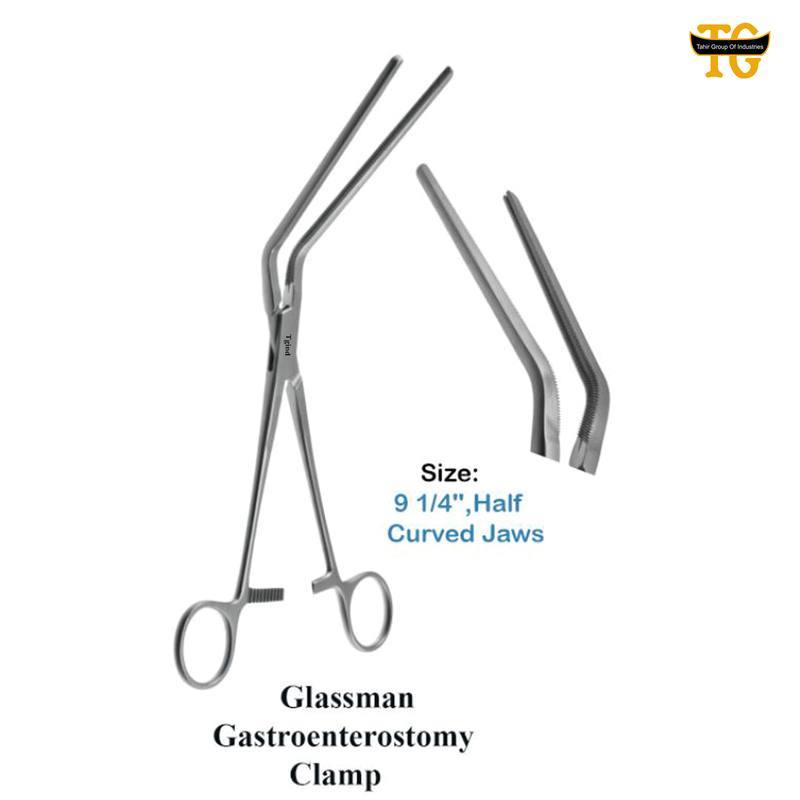
TGI's own catalog photograph of this article.
Glassman Gastroenterostomy Clamp
Intestinal forceps use the standard ring-handle construction (a box-lock joint and a ratchet that locks the jaws at a chosen bite), the same mechanism as an artery or tissue forceps, but built on a longer shaft with a jaw sized for holding bowel or stomach tissue rather than a blood vessel.
MOQ 300 instruments
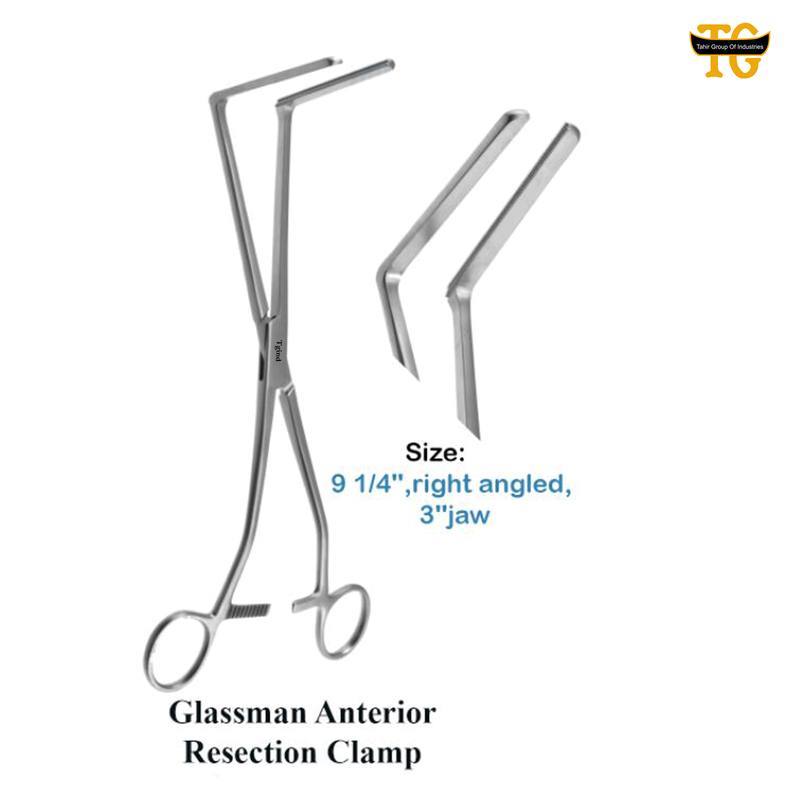
TGI's own catalog photograph of this article.
Glassman Anterior Resection Clamp
Intestinal forceps use the standard ring-handle construction (a box-lock joint and a ratchet that locks the jaws at a chosen bite), the same mechanism as an artery or tissue forceps, but built on a longer shaft with a jaw sized for holding bowel or stomach tissue rather than a blood vessel.
MOQ 300 instruments
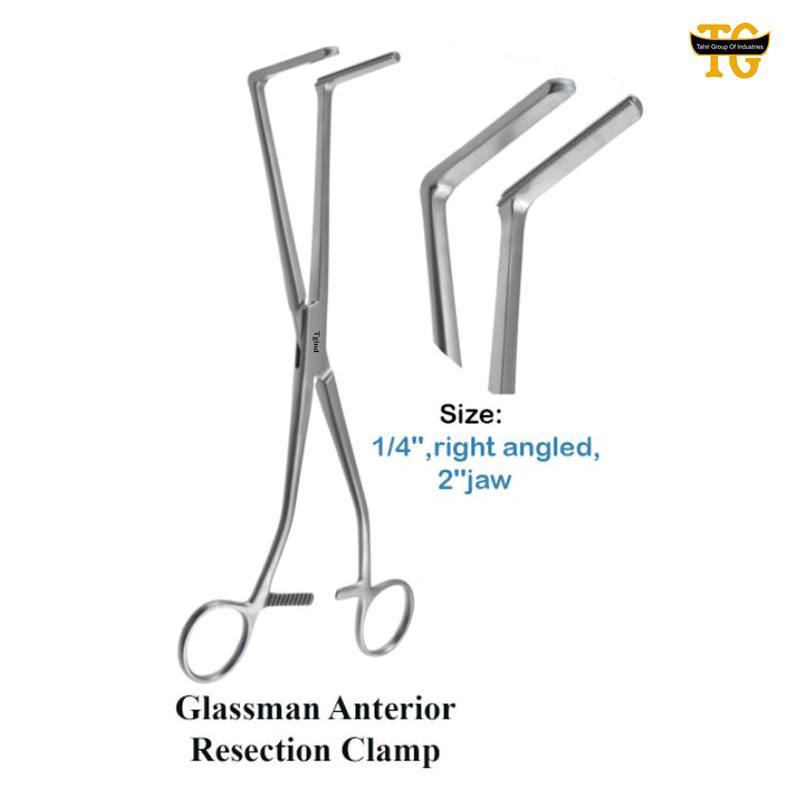
TGI's own catalog photograph of this article.
Glassman Anterior Resection Clamp
Intestinal forceps use the standard ring-handle construction (a box-lock joint and a ratchet that locks the jaws at a chosen bite), the same mechanism as an artery or tissue forceps, but built on a longer shaft with a jaw sized for holding bowel or stomach tissue rather than a blood vessel.
MOQ 300 instruments
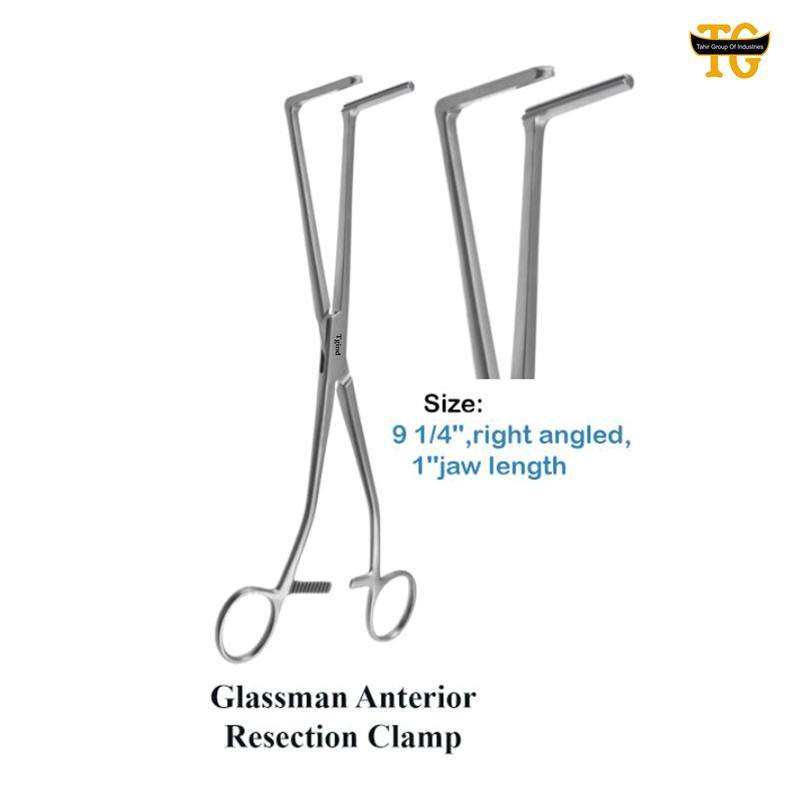
TGI's own catalog photograph of this article.
Glassman Anterior Resection Clamp
Intestinal forceps use the standard ring-handle construction (a box-lock joint and a ratchet that locks the jaws at a chosen bite), the same mechanism as an artery or tissue forceps, but built on a longer shaft with a jaw sized for holding bowel or stomach tissue rather than a blood vessel.
MOQ 300 instruments
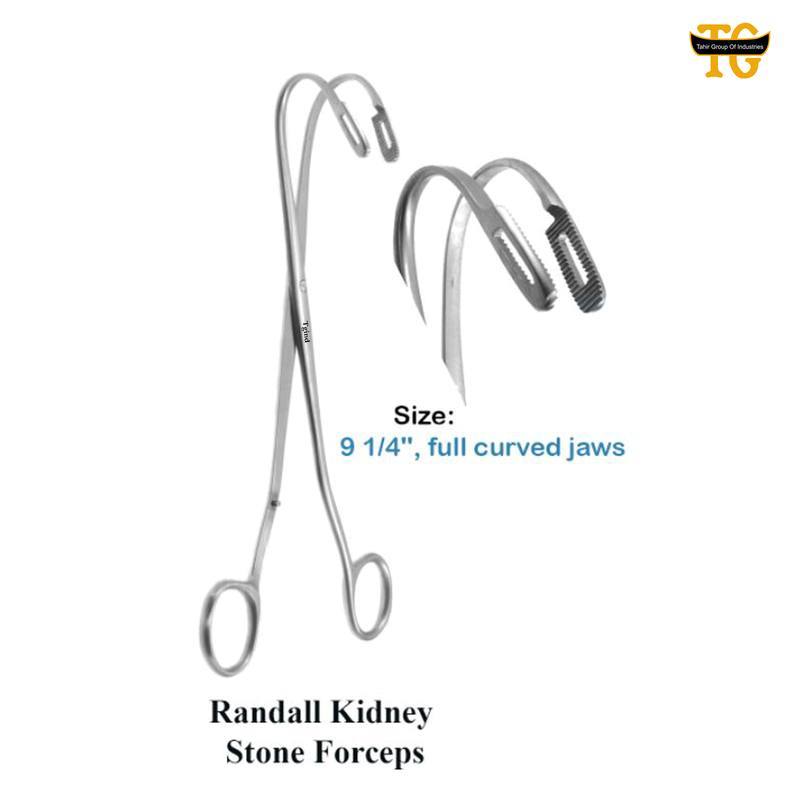
TGI's own catalog photograph of this article.
Randall Kidney Stone Forceps
"Stone forceps" is a trade heading covering several distinct grasping-forceps patterns built to hold a stone without letting it slip or crushing it, rather than one single design.
MOQ 300 instruments
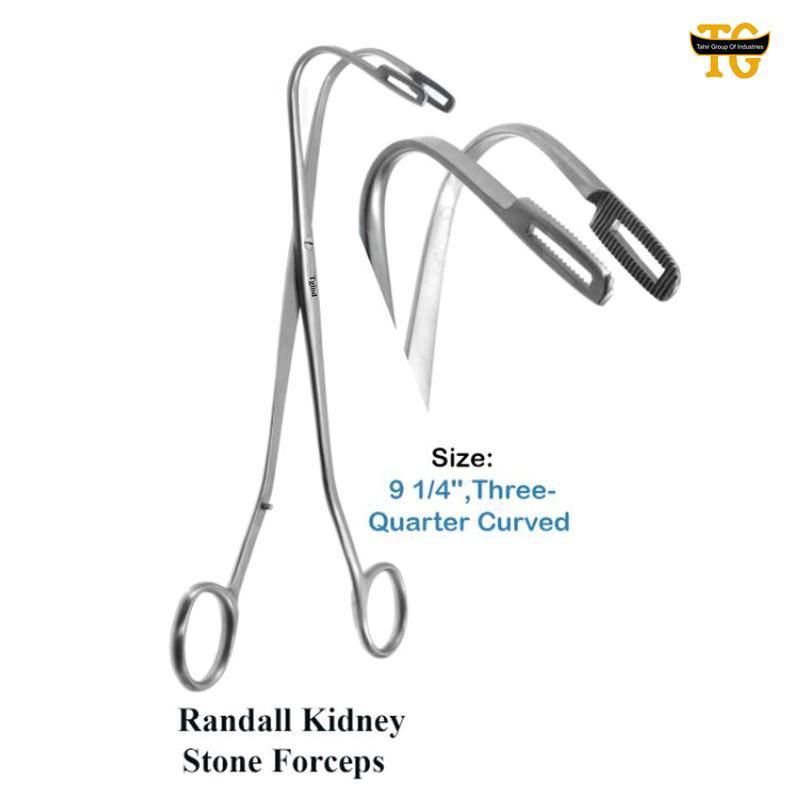
TGI's own catalog photograph of this article.
Randall Kidney Stone Forceps
"Stone forceps" is a trade heading covering several distinct grasping-forceps patterns built to hold a stone without letting it slip or crushing it, rather than one single design.
MOQ 300 instruments
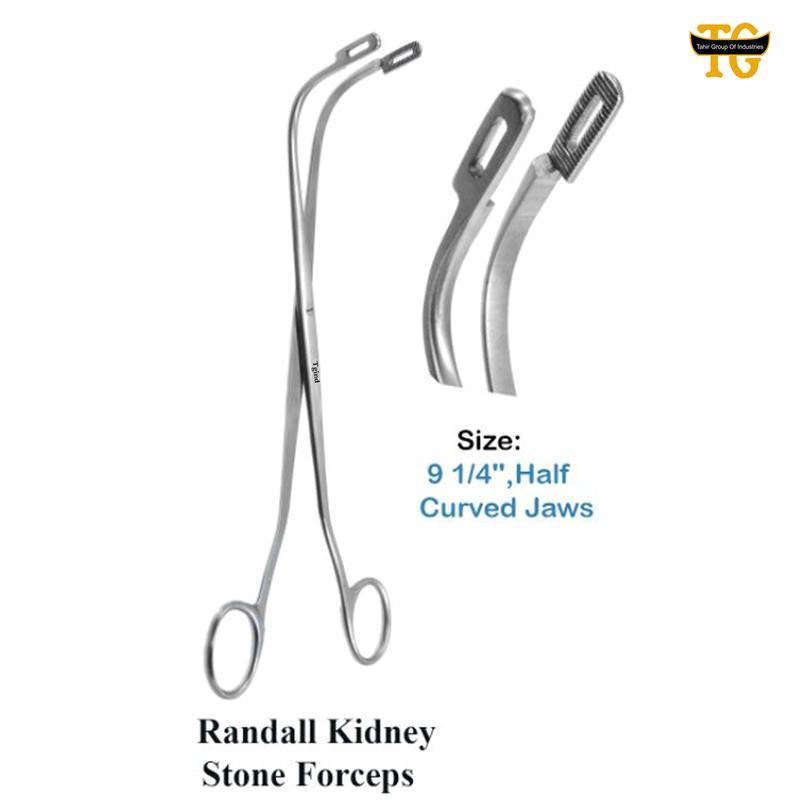
TGI's own catalog photograph of this article.
Randall Kidney Stone Forceps
"Stone forceps" is a trade heading covering several distinct grasping-forceps patterns built to hold a stone without letting it slip or crushing it, rather than one single design.
MOQ 300 instruments

TGI's own catalog photograph of this article.
Randall Kidney Stone Forceps
"Stone forceps" is a trade heading covering several distinct grasping-forceps patterns built to hold a stone without letting it slip or crushing it, rather than one single design.
MOQ 300 instruments
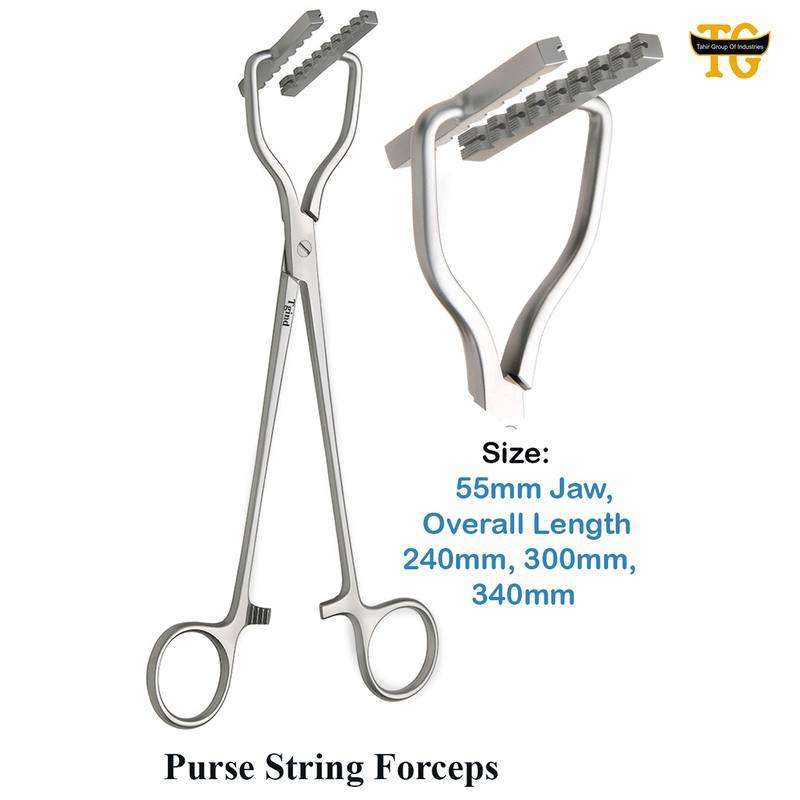
Purse String Forceps
Purse string forceps are a general-surgery forceps built on the same long-shaft, ratchet-lock handle as other general-surgery clamps, but with a different working end: instead of a pair of flat or toothed jaws, it forms an open ring or oval frame.
MOQ 300 instruments
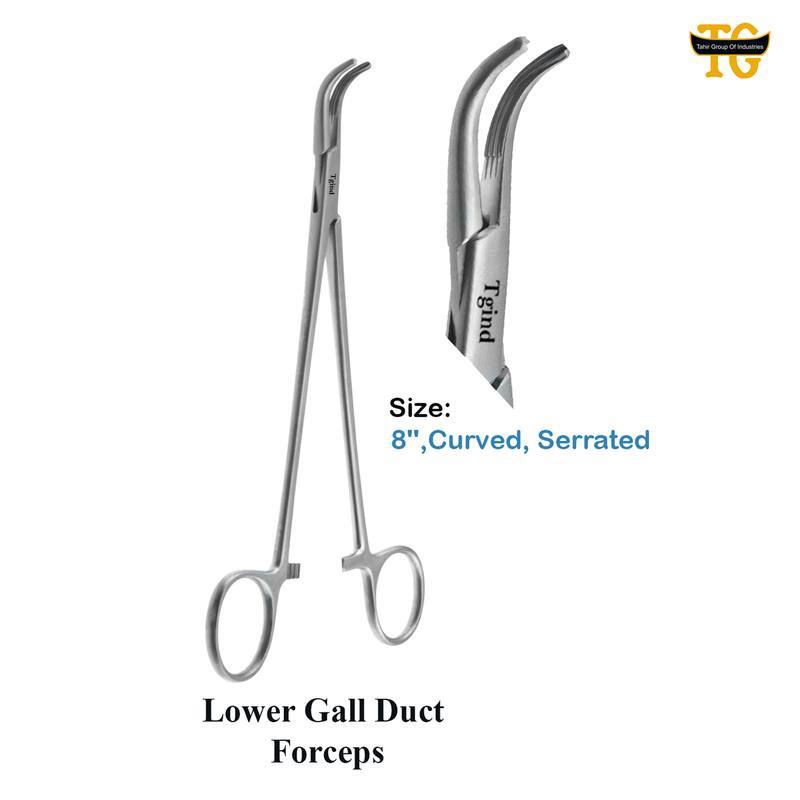
Lower Gall Duct Forceps
A ring-handled forceps for exploring the bile duct and grasping stones inside it.
MOQ 300 instruments
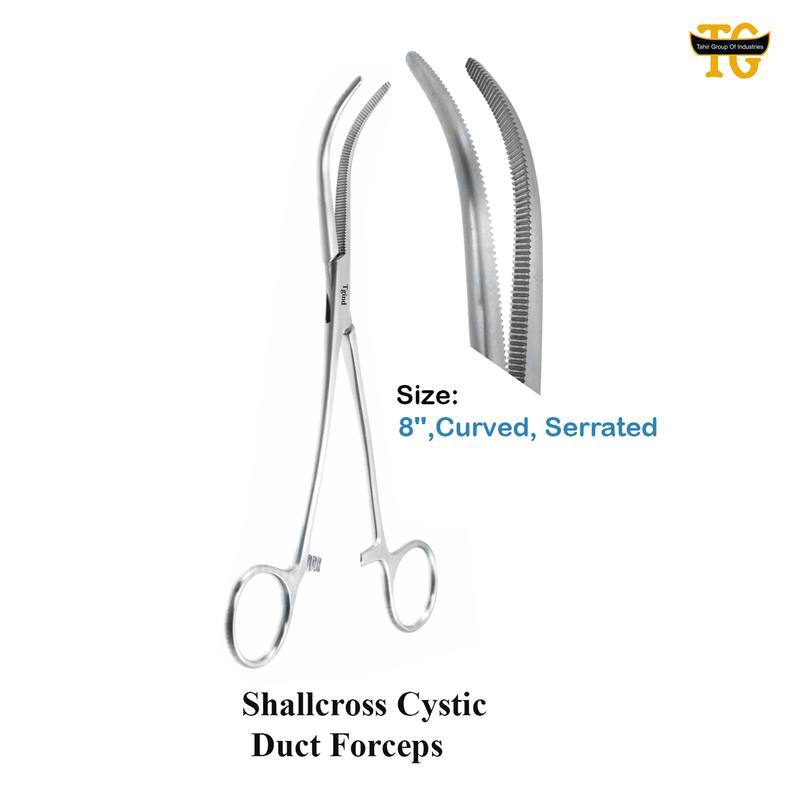
Shallcross Cystic Duct Forceps
A ring-handled forceps for exploring the bile duct and grasping stones inside it.
MOQ 300 instruments
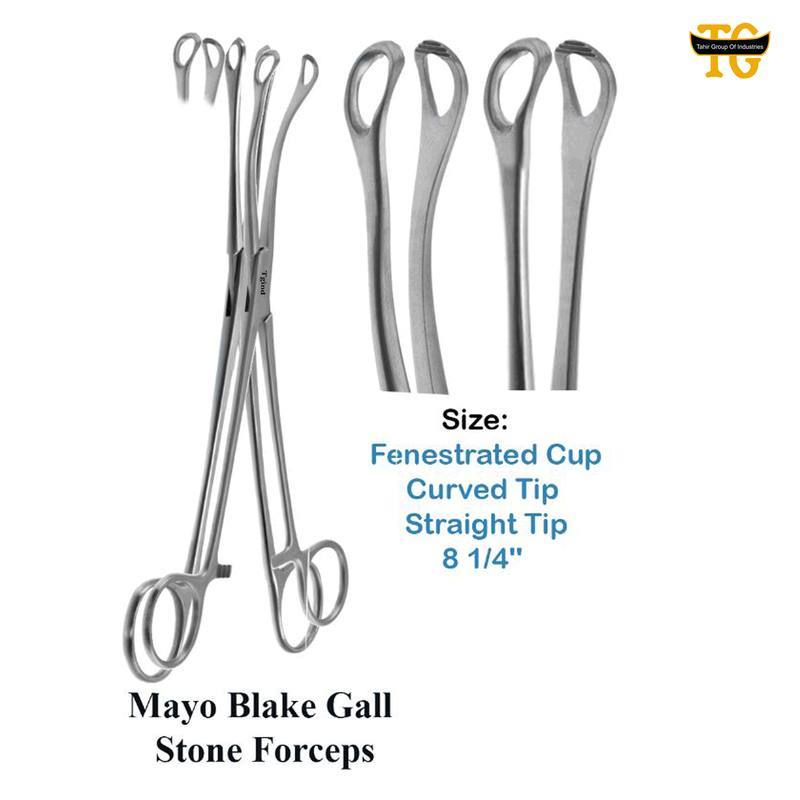
Mayo Blake Gall Stone Clamp
A ring-handled forceps built to grasp and lift a stone out of the gallbladder or bile duct.
MOQ 300 instruments
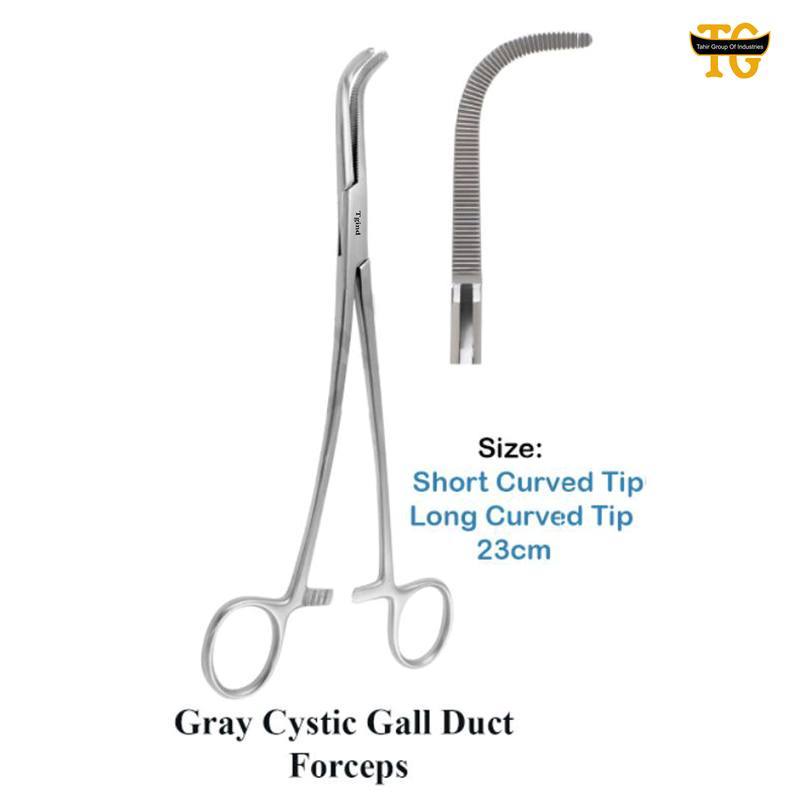
Gray Cystic Clamp
A ring-handled, ratcheted clamp of the hemostat family, in the slender long-jaw group cataloged in the gall bladder and biliary chapter.
MOQ 300 instruments
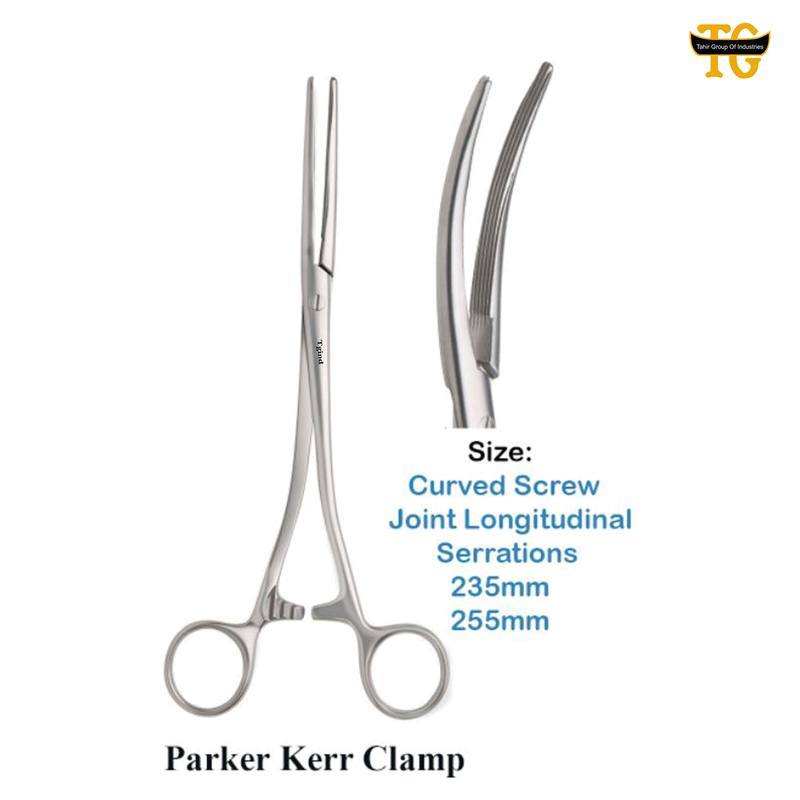
Parker Kerr Clamp
An intestinal clamp is a bowel-occluding clamp built to close without crushing the tissue it holds.
MOQ 300 instruments
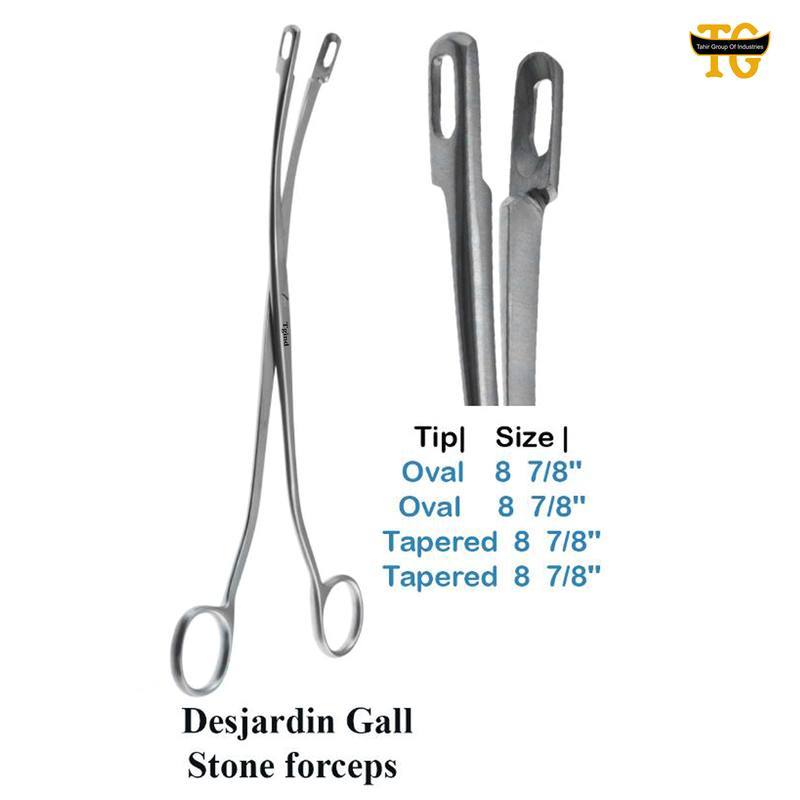
Desjardins Gall Stone Forceps
"Stone forceps" is a trade heading covering several distinct grasping-forceps patterns built to hold a stone without letting it slip or crushing it, rather than one single design.
MOQ 300 instruments
TGI's own catalog photograph of this article.
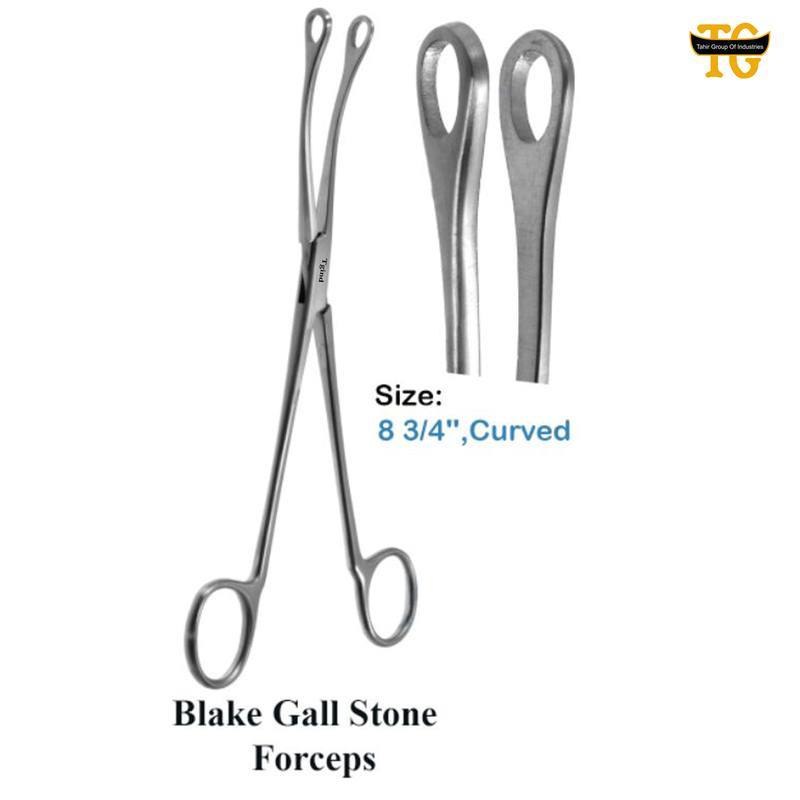
Blake Gall Stone Forceps
"Stone forceps" is a trade heading covering several distinct grasping-forceps patterns built to hold a stone without letting it slip or crushing it, rather than one single design.
MOQ 300 instruments
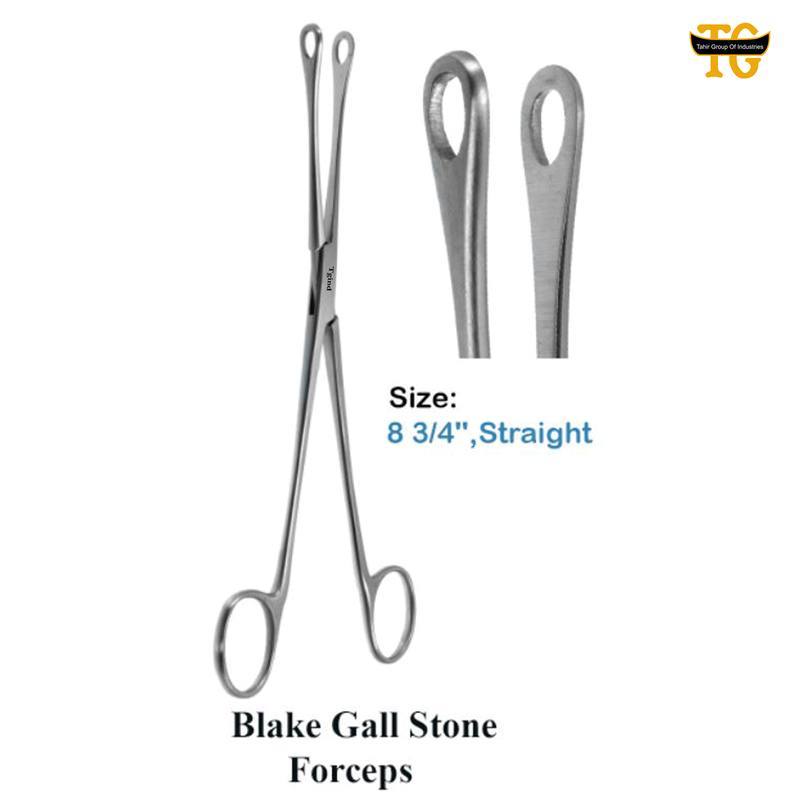
TGI's own catalog photograph of this article.
Blake Gall Stone Forceps
"Stone forceps" is a trade heading covering several distinct grasping-forceps patterns built to hold a stone without letting it slip or crushing it, rather than one single design.
MOQ 300 instruments
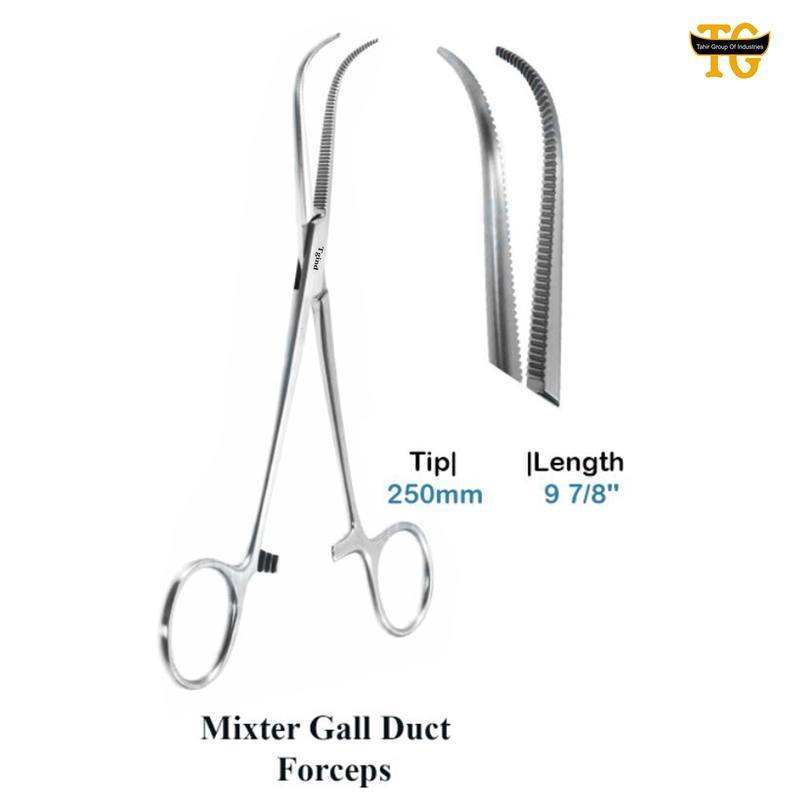
Mixter Gall Duct Forceps
A ring-handled forceps for exploring the bile duct and grasping stones inside it.
MOQ 300 instruments
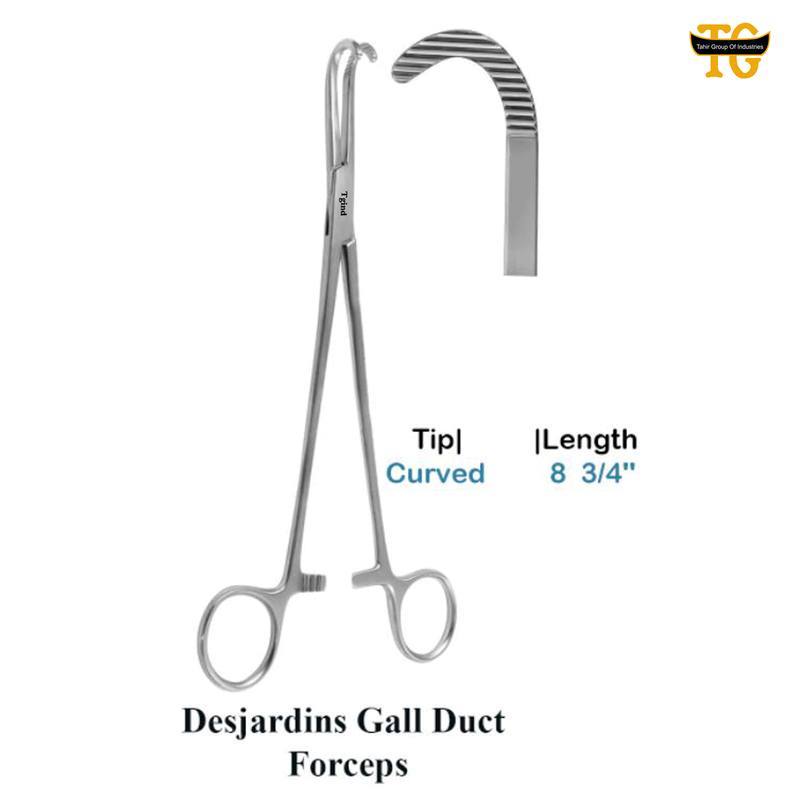
Desjardins Gall Duct Forceps
A ring-handled forceps for exploring the bile duct and grasping stones inside it.
MOQ 300 instruments
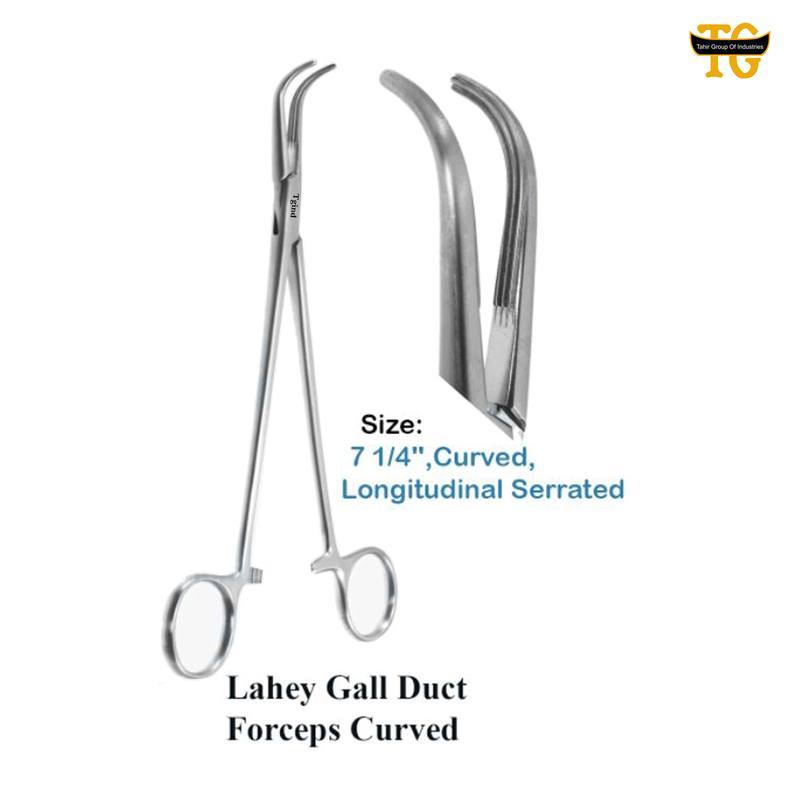
Lahey Gall Duct Forceps
A ring-handled forceps for exploring the bile duct and grasping stones inside it.
MOQ 300 instruments
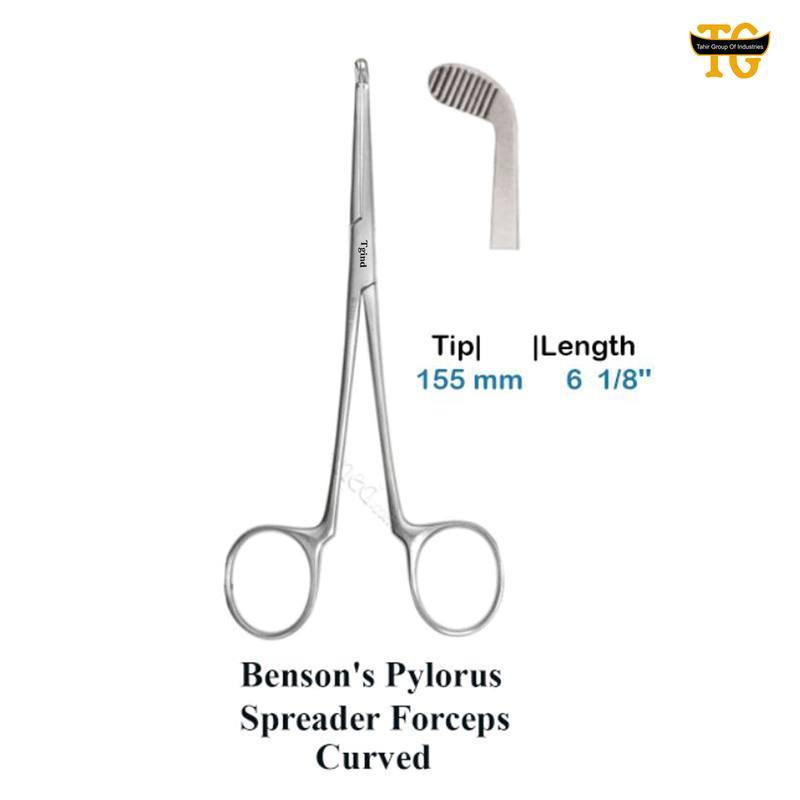
Benson Pylorus Forceps
Pylorus forceps (cataloged under the Payr pattern, named for the surgeon Erwin Payr) is a long-shaft abdominal clamp built on the same ratchet-lock handle as other intestinal clamps, but with curved, crescent-shaped jaws that meet along a grooved or serrated edge rather than a straight one.
MOQ 300 instruments
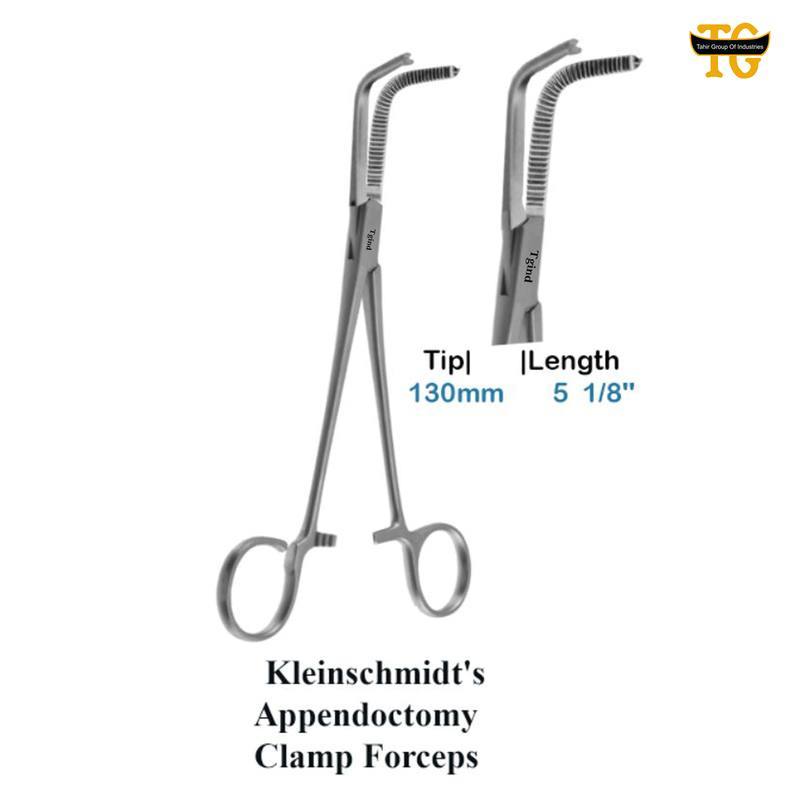
Kleinschmidt's Appendoctomy Clamp Forceps
Intestinal forceps use the standard ring-handle construction (a box-lock joint and a ratchet that locks the jaws at a chosen bite), the same mechanism as an artery or tissue forceps, but built on a longer shaft with a jaw sized for holding bowel or stomach tissue rather than a blood vessel.
MOQ 300 instruments
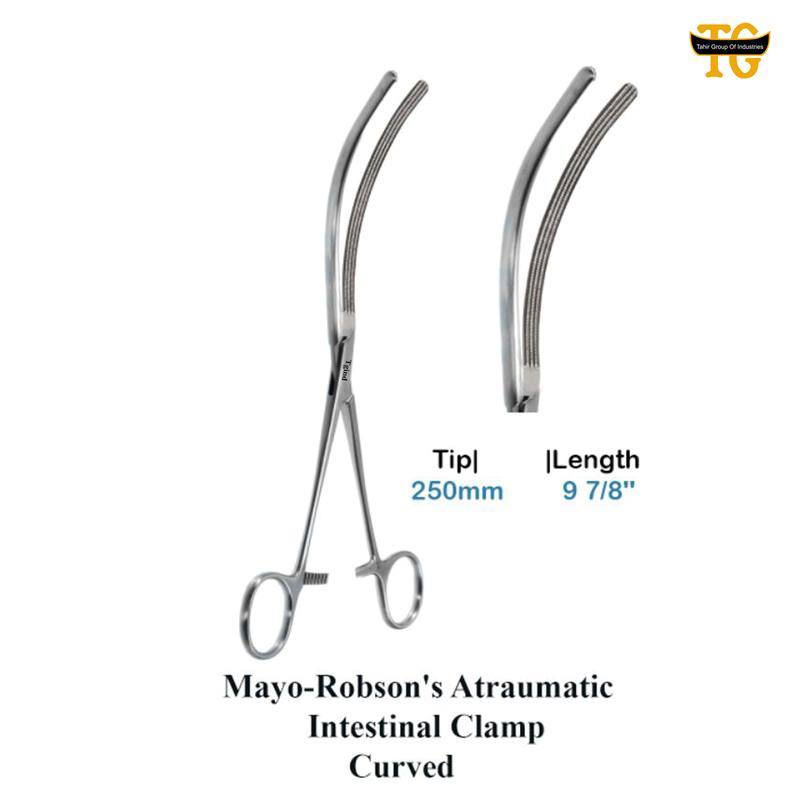
TGI's own catalog photograph of this article.
Mayo-Robson's Atraumatic Intestinal Clamp
Intestinal forceps use the standard ring-handle construction (a box-lock joint and a ratchet that locks the jaws at a chosen bite), the same mechanism as an artery or tissue forceps, but built on a longer shaft with a jaw sized for holding bowel or stomach tissue rather than a blood vessel.
MOQ 300 instruments
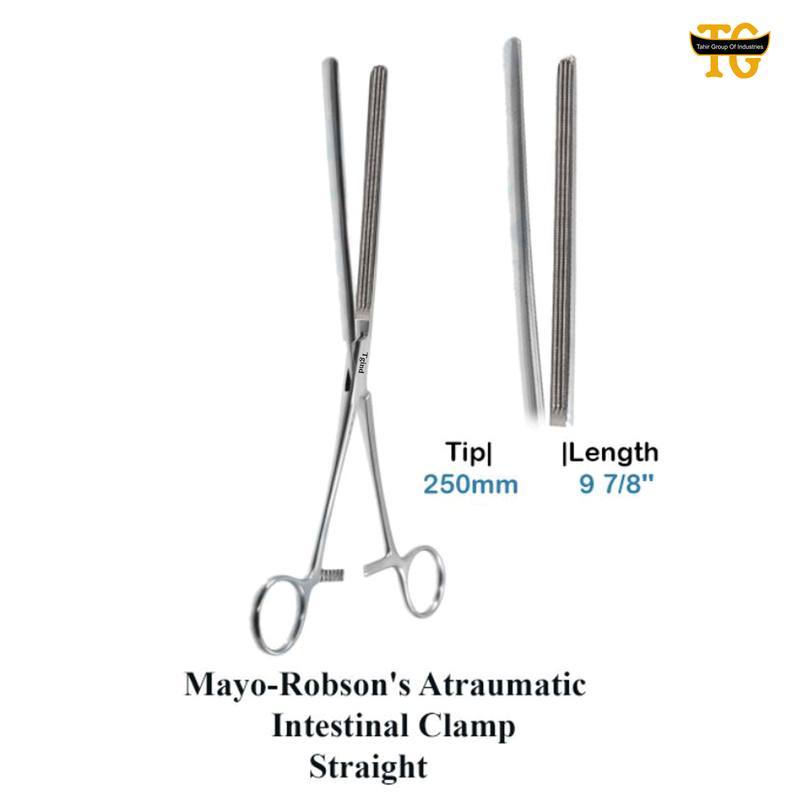
TGI's own catalog photograph of this article.
Mayo-Robson's Atraumatic Intestinal Clamp
Intestinal forceps use the standard ring-handle construction (a box-lock joint and a ratchet that locks the jaws at a chosen bite), the same mechanism as an artery or tissue forceps, but built on a longer shaft with a jaw sized for holding bowel or stomach tissue rather than a blood vessel.
MOQ 300 instruments
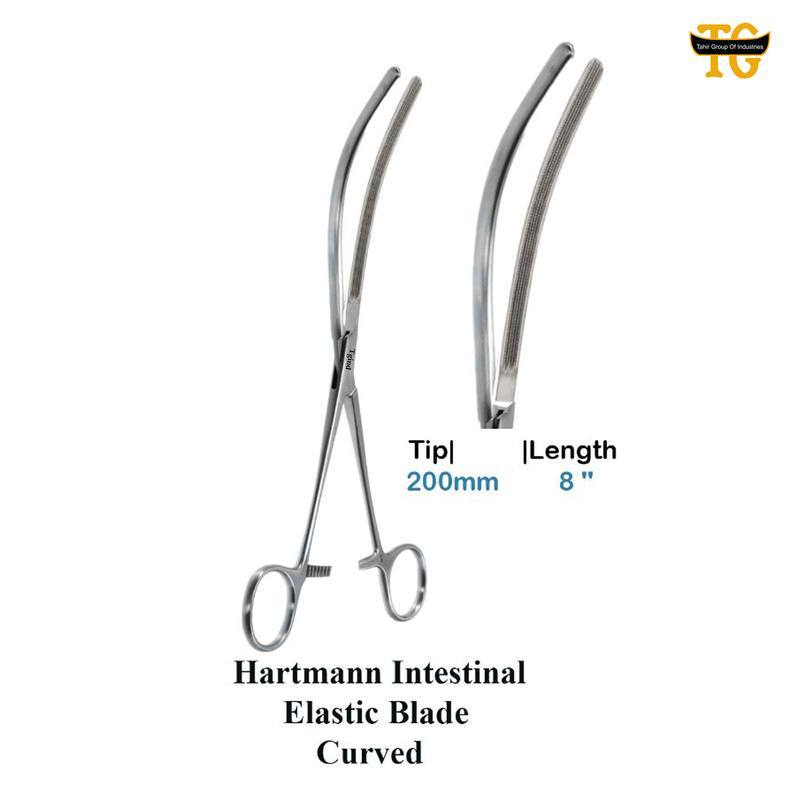
TGI's own catalog photograph of this article.
Hartmann Intestinal Forceps
Intestinal forceps use the standard ring-handle construction (a box-lock joint and a ratchet that locks the jaws at a chosen bite), the same mechanism as an artery or tissue forceps, but built on a longer shaft with a jaw sized for holding bowel or stomach tissue rather than a blood vessel.
MOQ 300 instruments
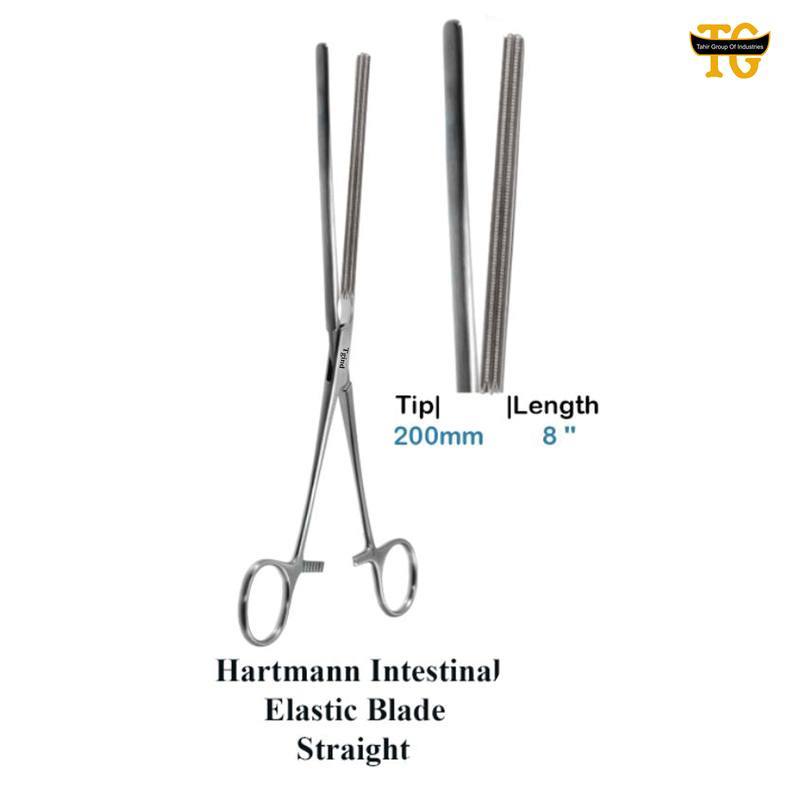
TGI's own catalog photograph of this article.
Hartmann Intestinal Forceps
Intestinal forceps use the standard ring-handle construction (a box-lock joint and a ratchet that locks the jaws at a chosen bite), the same mechanism as an artery or tissue forceps, but built on a longer shaft with a jaw sized for holding bowel or stomach tissue rather than a blood vessel.
MOQ 300 instruments

TGI's own catalog photograph of this article.
Kocher Intestinal Forceps
Intestinal forceps use the standard ring-handle construction (a box-lock joint and a ratchet that locks the jaws at a chosen bite), the same mechanism as an artery or tissue forceps, but built on a longer shaft with a jaw sized for holding bowel or stomach tissue rather than a blood vessel.
MOQ 300 instruments
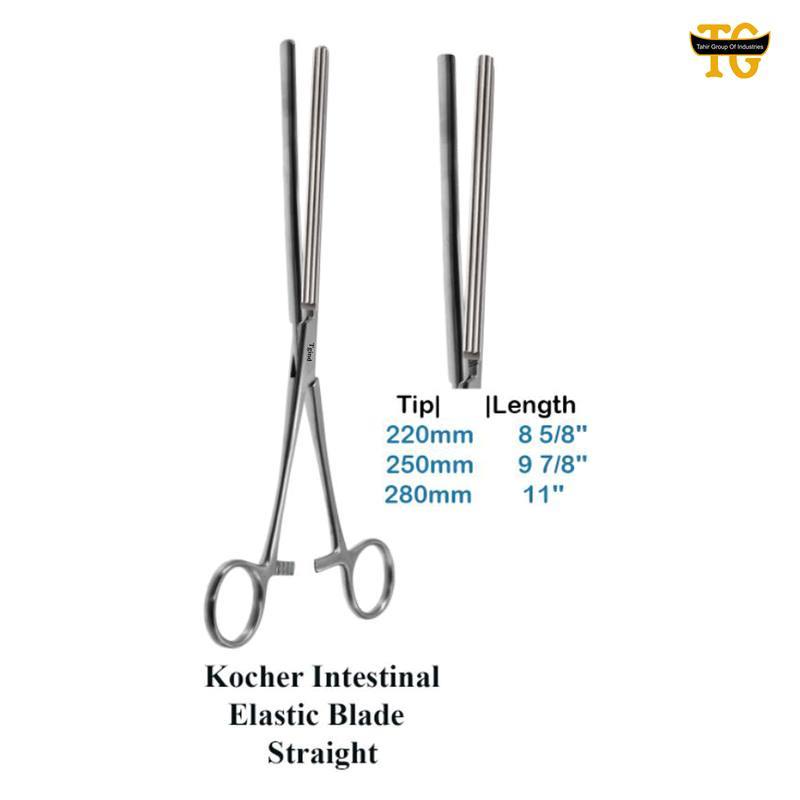
TGI's own catalog photograph of this article.
Kocher Intestinal Forceps
Intestinal forceps use the standard ring-handle construction (a box-lock joint and a ratchet that locks the jaws at a chosen bite), the same mechanism as an artery or tissue forceps, but built on a longer shaft with a jaw sized for holding bowel or stomach tissue rather than a blood vessel.
MOQ 300 instruments
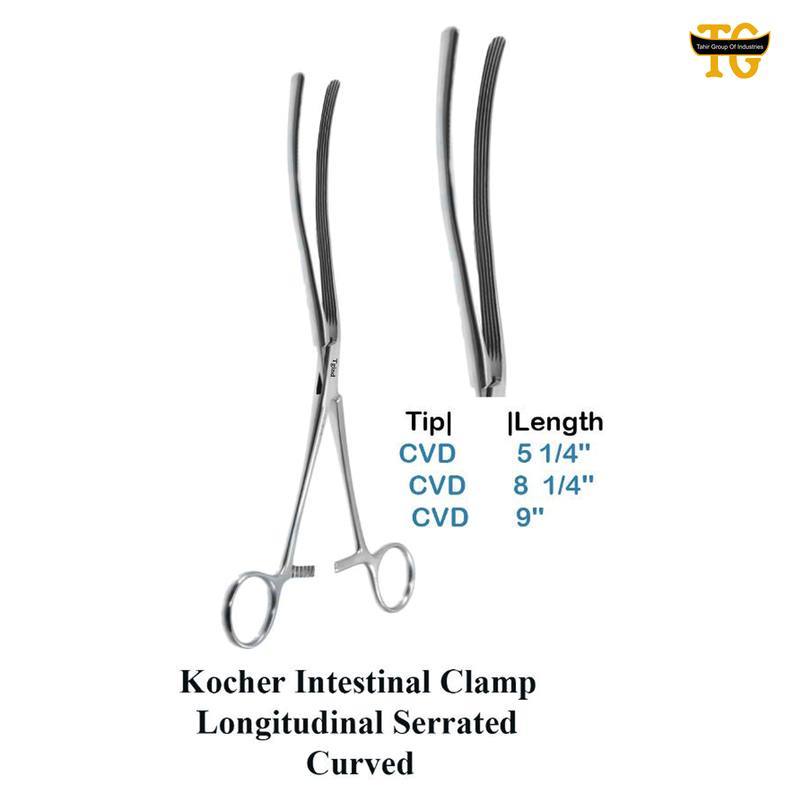
Kocher Intestinal Clamp
Intestinal forceps use the standard ring-handle construction (a box-lock joint and a ratchet that locks the jaws at a chosen bite), the same mechanism as an artery or tissue forceps, but built on a longer shaft with a jaw sized for holding bowel or stomach tissue rather than a blood vessel.
MOQ 300 instruments
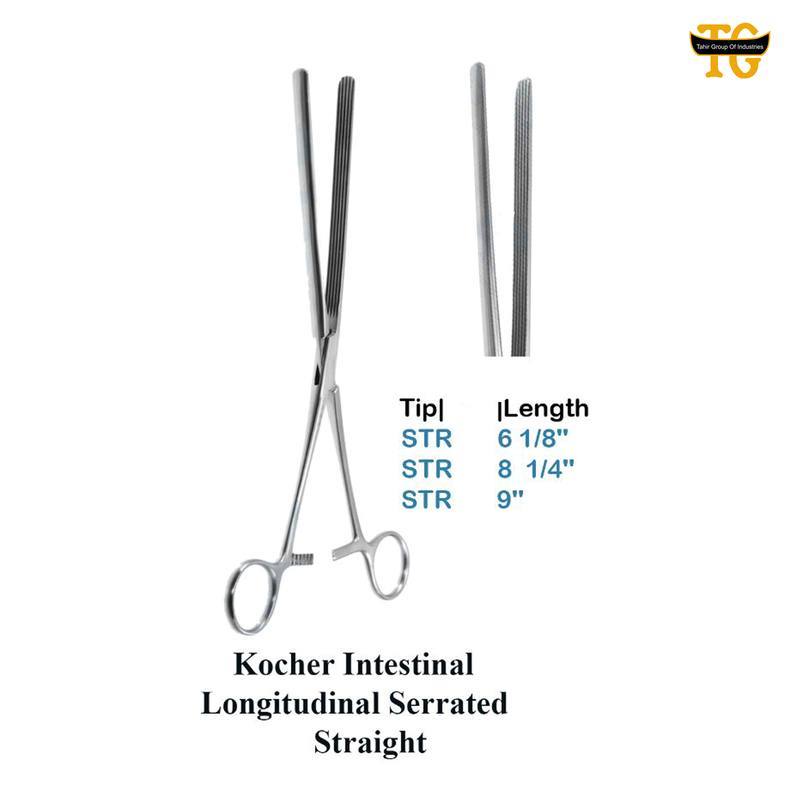
TGI's own catalog photograph of this article.
Kocher Intestinal Forceps
Intestinal forceps use the standard ring-handle construction (a box-lock joint and a ratchet that locks the jaws at a chosen bite), the same mechanism as an artery or tissue forceps, but built on a longer shaft with a jaw sized for holding bowel or stomach tissue rather than a blood vessel.
MOQ 300 instruments
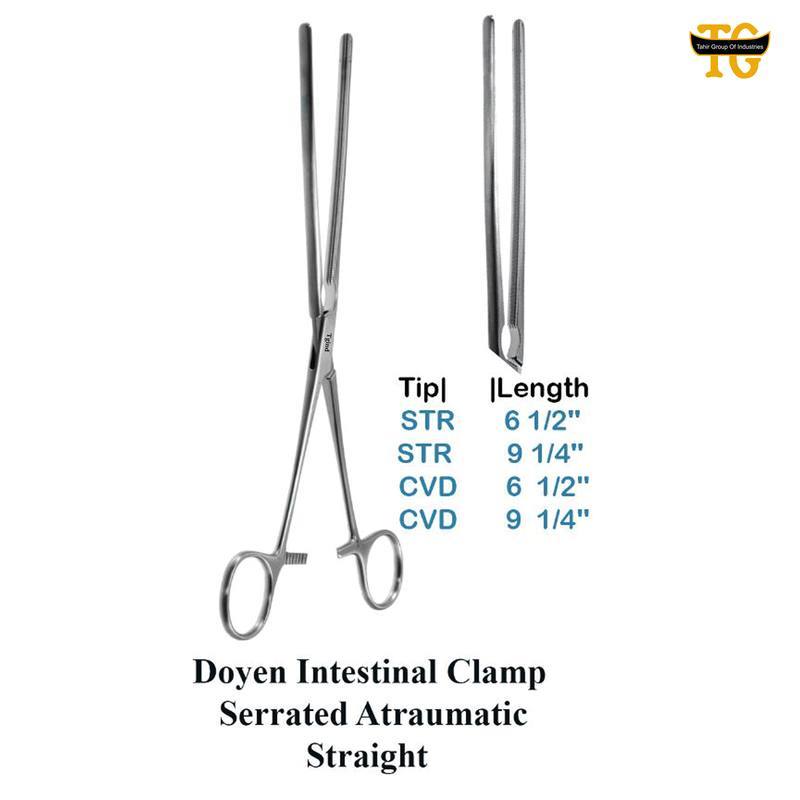
TGI's own catalog photograph of this article.
Doyen Intestinal Clamp
Intestinal forceps use the standard ring-handle construction (a box-lock joint and a ratchet that locks the jaws at a chosen bite), the same mechanism as an artery or tissue forceps, but built on a longer shaft with a jaw sized for holding bowel or stomach tissue rather than a blood vessel.
MOQ 300 instruments
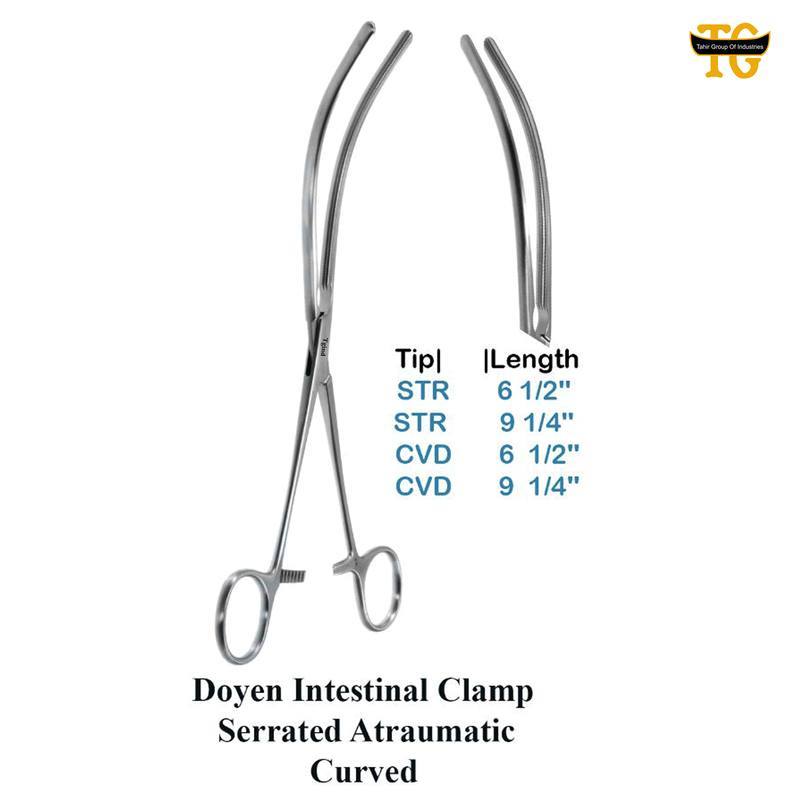
TGI's own catalog photograph of this article.
Doyen Intestinal Clamp
Intestinal forceps use the standard ring-handle construction (a box-lock joint and a ratchet that locks the jaws at a chosen bite), the same mechanism as an artery or tissue forceps, but built on a longer shaft with a jaw sized for holding bowel or stomach tissue rather than a blood vessel.
MOQ 300 instruments
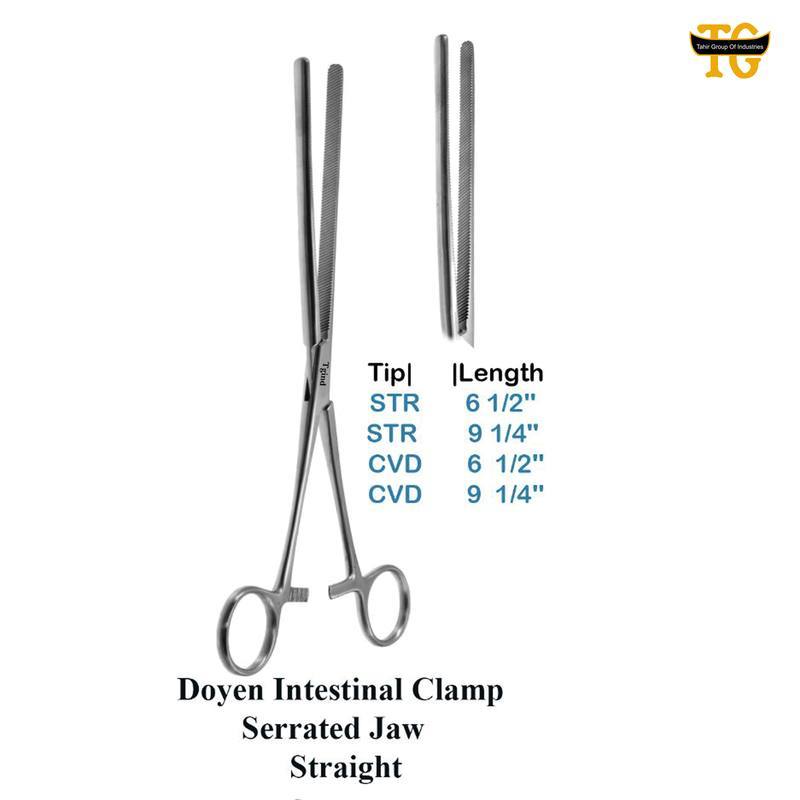
TGI's own catalog photograph of this article.
Doyen Intestinal Clamp
Intestinal forceps use the standard ring-handle construction (a box-lock joint and a ratchet that locks the jaws at a chosen bite), the same mechanism as an artery or tissue forceps, but built on a longer shaft with a jaw sized for holding bowel or stomach tissue rather than a blood vessel.
MOQ 300 instruments
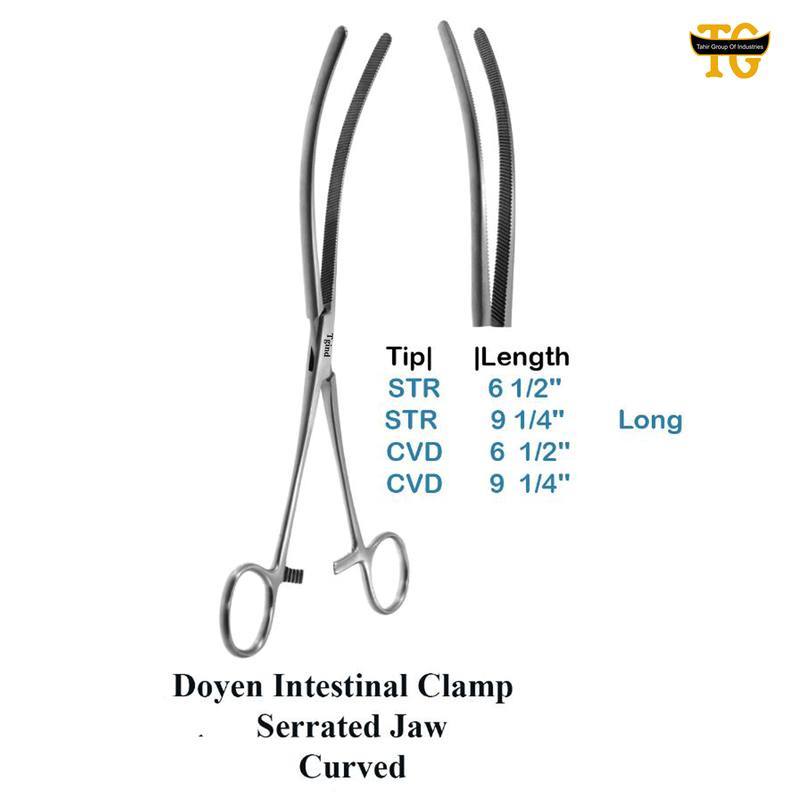
TGI's own catalog photograph of this article.
Doyen Intestinal Clamp
Intestinal forceps use the standard ring-handle construction (a box-lock joint and a ratchet that locks the jaws at a chosen bite), the same mechanism as an artery or tissue forceps, but built on a longer shaft with a jaw sized for holding bowel or stomach tissue rather than a blood vessel.
MOQ 300 instruments
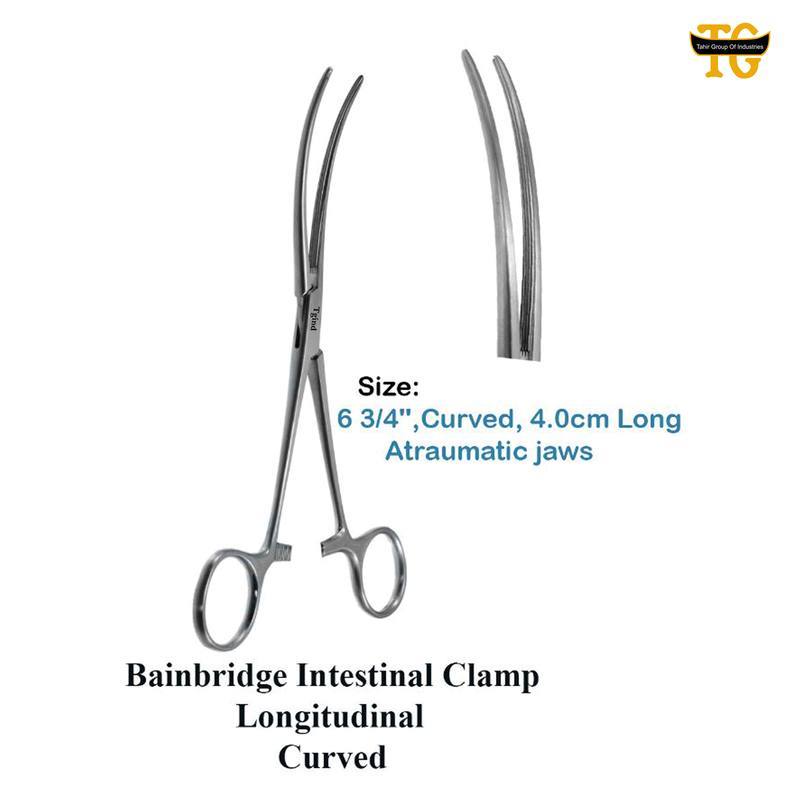
TGI's own catalog photograph of this article.
Bainbridge Intestinal Forceps
Intestinal forceps use the standard ring-handle construction (a box-lock joint and a ratchet that locks the jaws at a chosen bite), the same mechanism as an artery or tissue forceps, but built on a longer shaft with a jaw sized for holding bowel or stomach tissue rather than a blood vessel.
MOQ 300 instruments
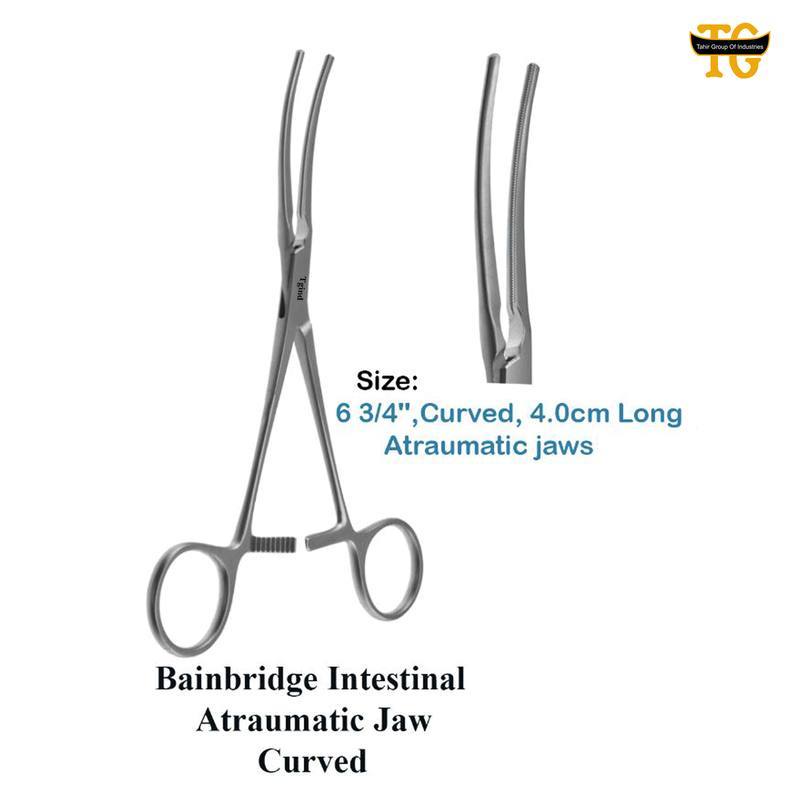
TGI's own catalog photograph of this article.
Bainbridge Intestinal Forceps
Intestinal forceps use the standard ring-handle construction (a box-lock joint and a ratchet that locks the jaws at a chosen bite), the same mechanism as an artery or tissue forceps, but built on a longer shaft with a jaw sized for holding bowel or stomach tissue rather than a blood vessel.
MOQ 300 instruments
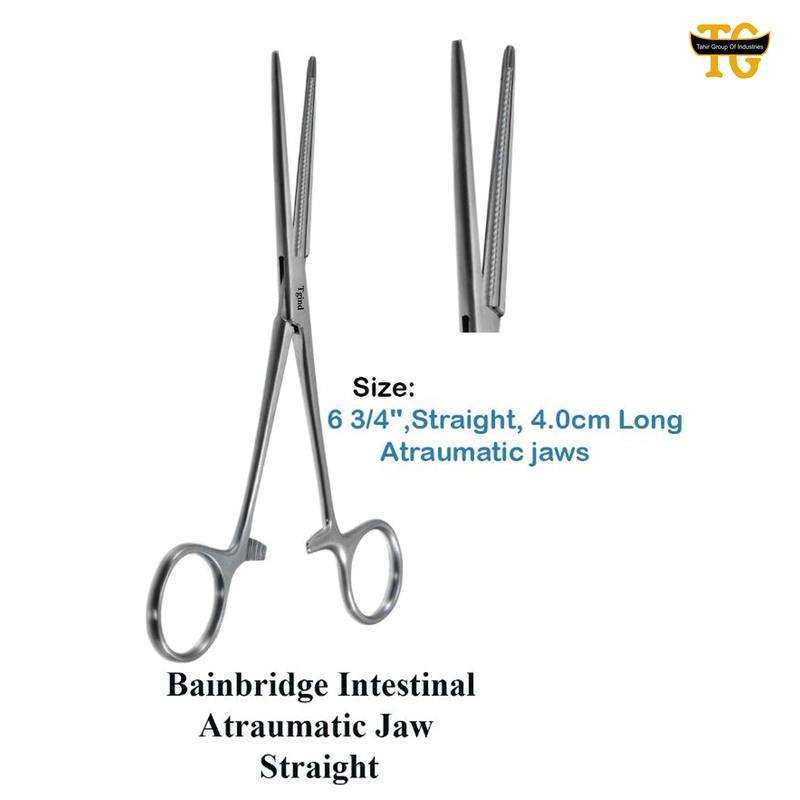
TGI's own catalog photograph of this article.
Bainbridge Intestinal Forceps
Intestinal forceps use the standard ring-handle construction (a box-lock joint and a ratchet that locks the jaws at a chosen bite), the same mechanism as an artery or tissue forceps, but built on a longer shaft with a jaw sized for holding bowel or stomach tissue rather than a blood vessel.
MOQ 300 instruments
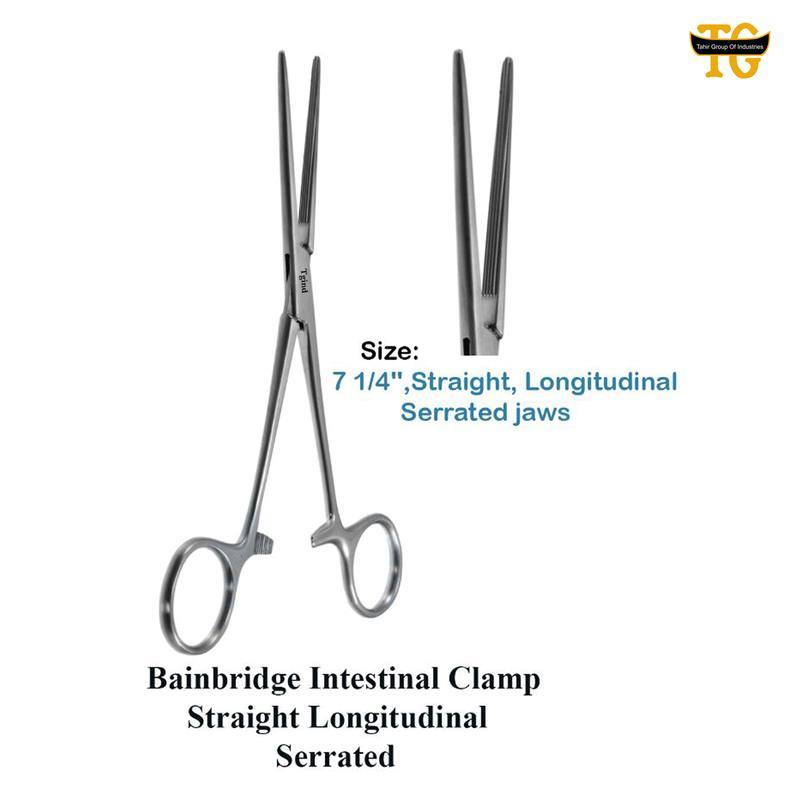
TGI's own catalog photograph of this article.
Bainbridge Intestinal Forceps
Intestinal forceps use the standard ring-handle construction (a box-lock joint and a ratchet that locks the jaws at a chosen bite), the same mechanism as an artery or tissue forceps, but built on a longer shaft with a jaw sized for holding bowel or stomach tissue rather than a blood vessel.
MOQ 300 instruments
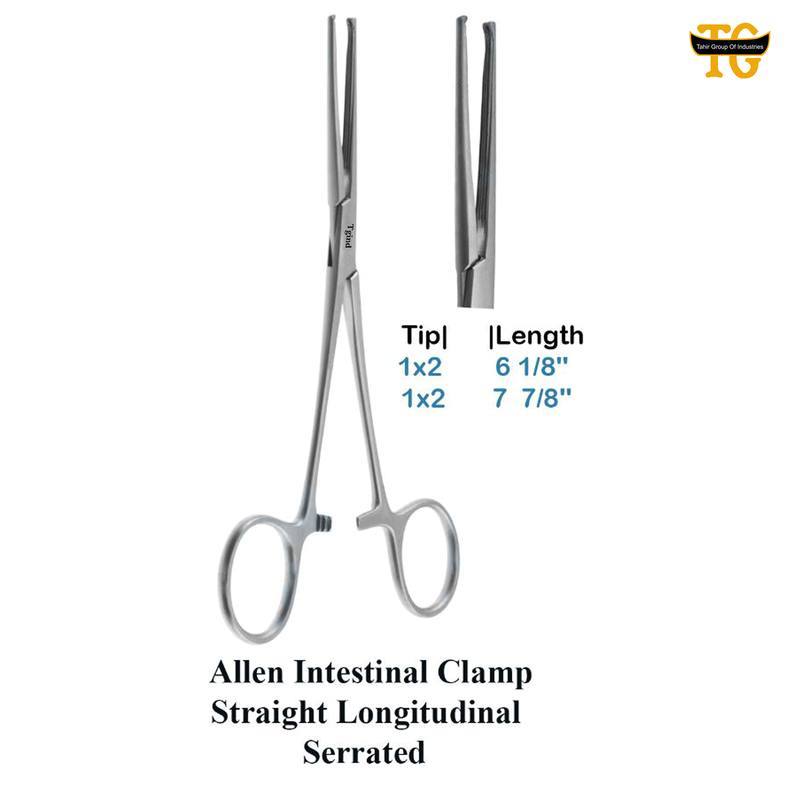
TGI's own catalog photograph of this article.
Allen Intestinal Clamp
Intestinal forceps use the standard ring-handle construction (a box-lock joint and a ratchet that locks the jaws at a chosen bite), the same mechanism as an artery or tissue forceps, but built on a longer shaft with a jaw sized for holding bowel or stomach tissue rather than a blood vessel.
MOQ 300 instruments
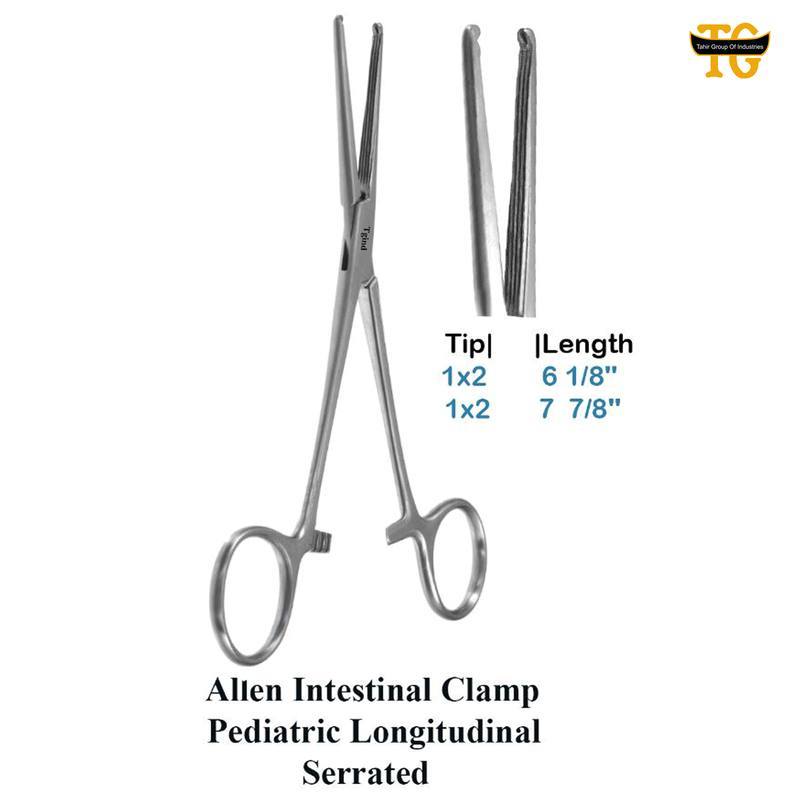
TGI's own catalog photograph of this article.
Allen Intestinal Clamp
Intestinal forceps use the standard ring-handle construction (a box-lock joint and a ratchet that locks the jaws at a chosen bite), the same mechanism as an artery or tissue forceps, but built on a longer shaft with a jaw sized for holding bowel or stomach tissue rather than a blood vessel.
MOQ 300 instruments
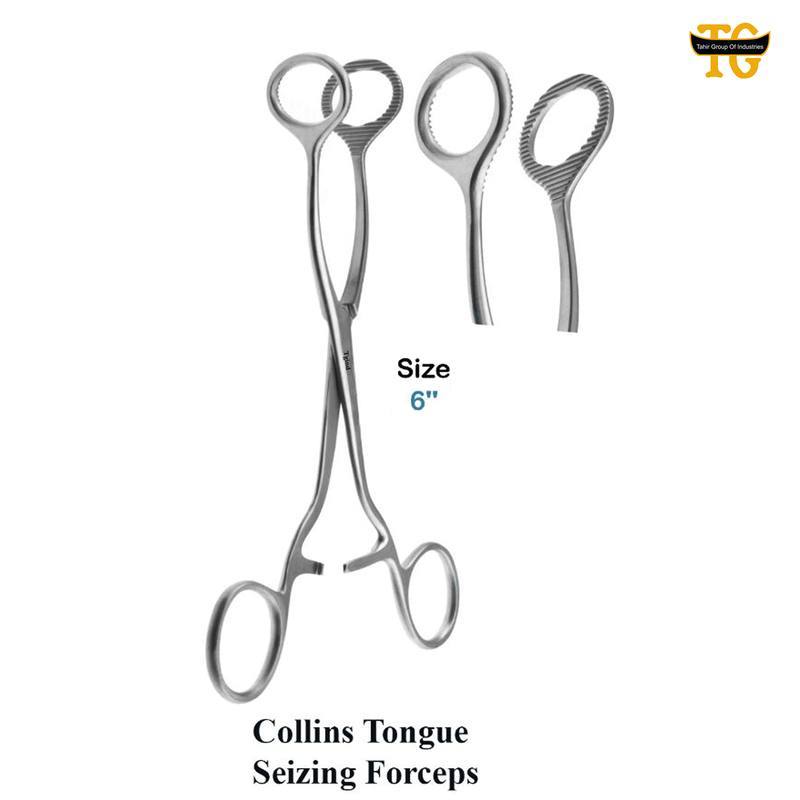
Collin Tongue Seizing Forceps
Seizing forceps are ring-handled forceps built to take hold of a named soft tissue and lock onto it, so the jaws stay closed on the tissue without continuous hand pressure on the ring.
MOQ 300 instruments
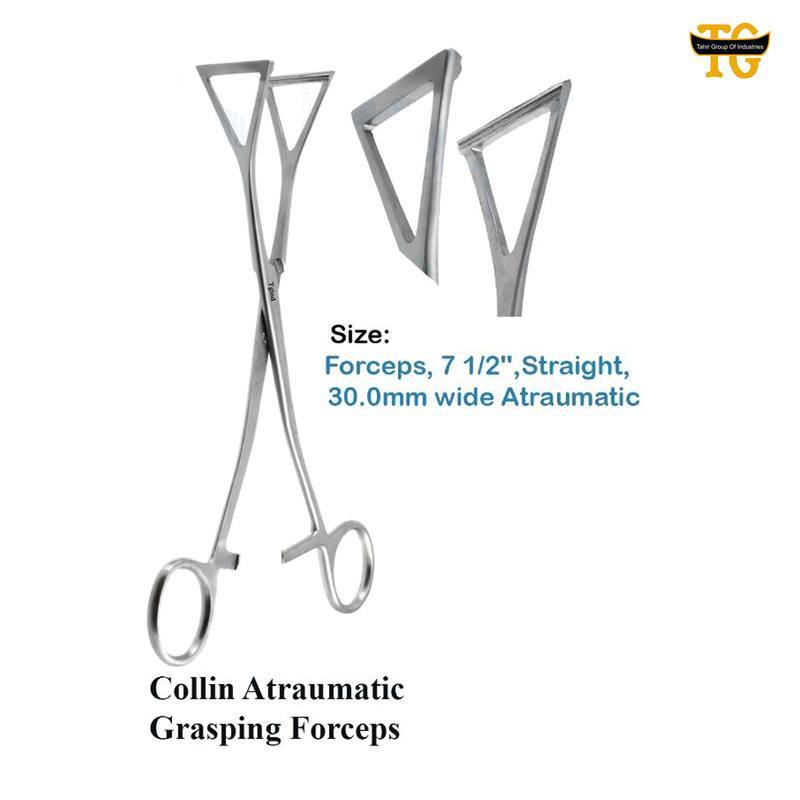
TGI's own catalog photograph of this article.
Collin Atraumatic Grasping Forceps
Lung grasping forceps is a long, ring-handled grasping instrument with a wide, ring-shaped or triangular jaw rather than a narrow point, spreading the gripping surface over a broad area instead of concentrating it at a tip.
MOQ 300 instruments
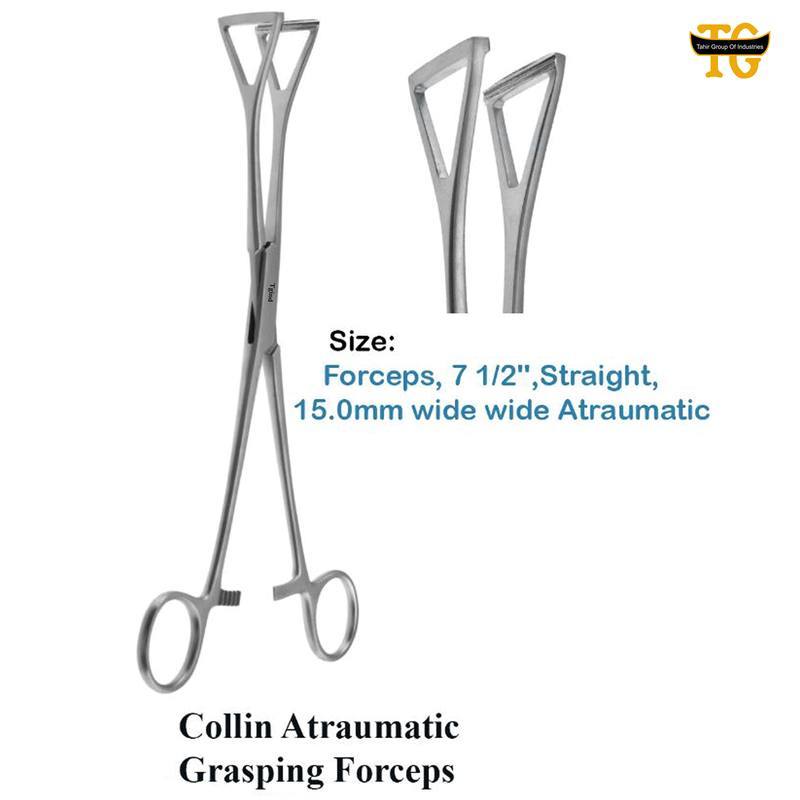
TGI's own catalog photograph of this article.
Collin Atraumatic Grasping Forceps
Lung grasping forceps is a long, ring-handled grasping instrument with a wide, ring-shaped or triangular jaw rather than a narrow point, spreading the gripping surface over a broad area instead of concentrating it at a tip.
MOQ 300 instruments
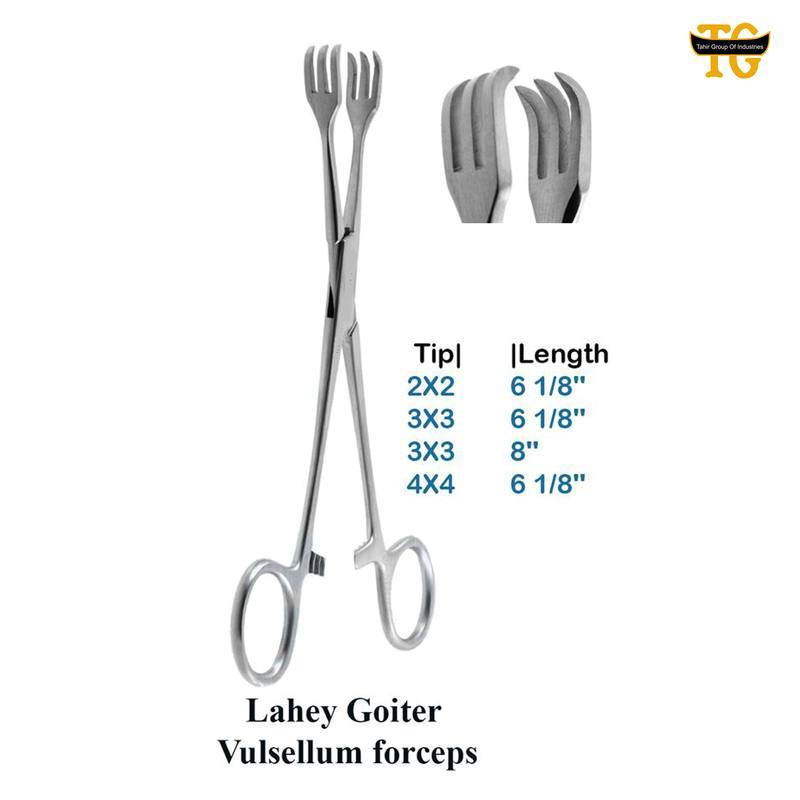
Lahey Goiter Vulsellum Forceps
A double-action grasping forceps whose jaw tips carry rows of fine interlocking teeth, closed and held by a ratchet on the handles.
MOQ 300 instruments
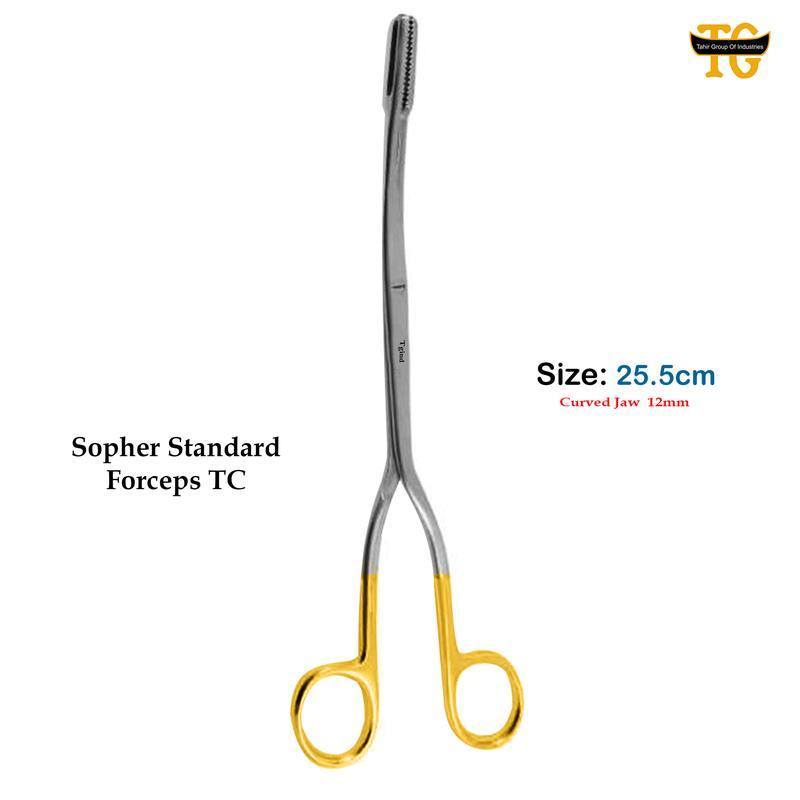
Sopher Forceps
Ovum forceps belong to the sponge-holding-forceps family used in gynecological and obstetric instrument sets, and are built on the same cross-action principle: two long shanks cross at a box joint, end in ring handles at one end, and a jaw at the other, with a ratchet at the ring-handle end to lock the jaw shut.
MOQ 300 instruments
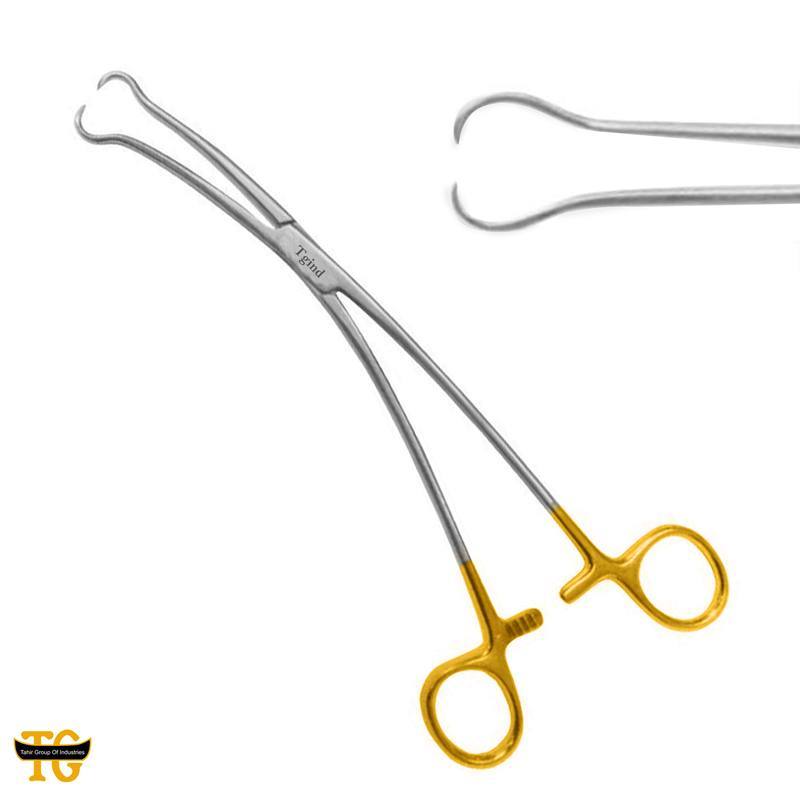
TGI's own catalog photograph of this article.
Skene Tenaculum
A grasping instrument with a single sharp, curved hook or tooth at the tip.
MOQ 300 instruments
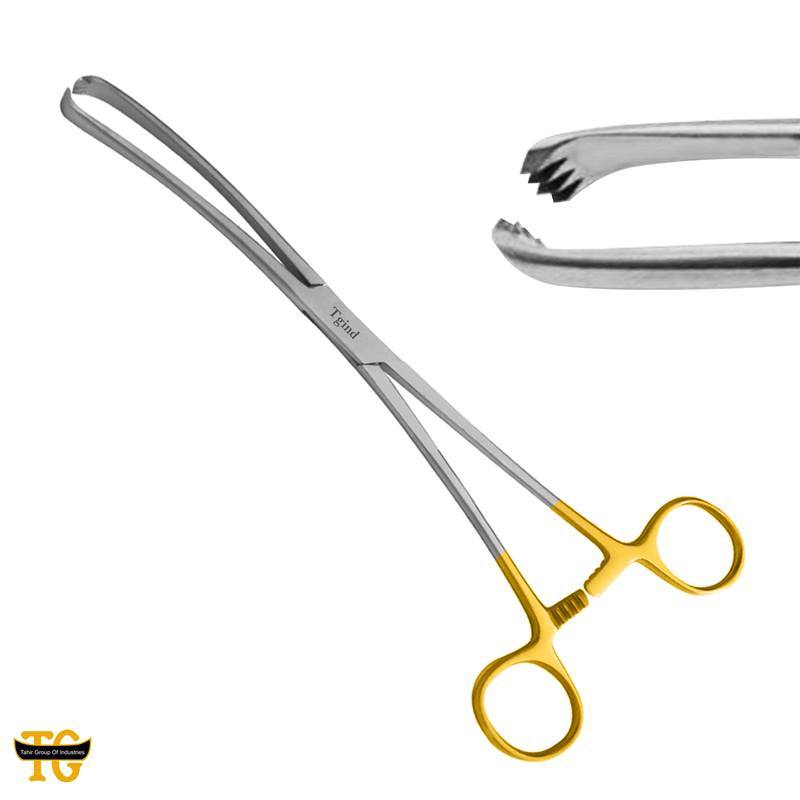
TGI's own catalog photograph of this article.
Teale Tenaculum
A grasping instrument with a single sharp, curved hook or tooth at the tip.
MOQ 300 instruments
More surgical instruments
- All surgical instruments
- Needle holders (52)
- Scalpel handles and knives (77)
- Scissors (85)
- Vascular clamps (132)
- Suction tubes (67)
- Rectal specula and proctology (23)
- Self-retaining retractors (84)
- Hand-held retractors (115)
- Hooks, probes and directors (83)
- Minimally invasive and VATS (15)
- Hemostatic forceps (55)
- Tissue and dressing forceps (83)
- Saws, spatulas and other instruments (14)
Tell us what you need. We answer with a written offer.
A person reads every inquiry and answers the same working day.
Surgical instruments
All surgical instruments